Making the case for leniency for marines who murder
Filed under: International, Journalism and News Reportage |
 Leave a Comment
 What is the normally thoughtful Michael White, assistant editor of the Guardian newspaper in the UK, doing calling for leniency for the marine who executed an Afghan man? The Guardian itself (8 November) reported the details of the story thus: “In the graphic footage, Marine A leans over and  fires into the chest of the bloodied and moaning insurgent with a pistol. He then tells him: “There you are, shuffle off this mortal coil, you c***. It’s nothing you wouldn’t do to us.” A few moments later Marine A is picked up telling colleagues: “Obviously this doesn’t go anywhere fellas. I’ve just broken the Geneva convention.””
The marine is unnamed to protect him. The Afghan man is unnamed because his name is not important.
The call for leniency is not restricted to Michael White. The Daily Mail, a notoriously partisan and reactionary newspaper, had a couple of days earlier made clear its position by making the quote of Major General Julian Thompson, a veteran of 3 Commando Brigade in the Falklands War, a front page banner headline: “I won’t condemn him…”
We can all think of many cases where similar arguments could be used in the case of civilians. Would Michael White and others advocate taking evidence of victims of child abuse as mitigating circumstances when as adults they go on to do similar things, or worse, themselves? I think not.
Photograph: MoD
Worst UK hotels – in defence of Travelodge
Filed under: Hotels | Tags: Travelodge, Which? hotels report
Leave a Comment  Which? – the UK consumer watchdog – recently published its findings from research into the best and worst hotels in the UK. To view the whole report, one has to be a subscriber to Which?, but the newspapers happily reported the findings.
So, the best are: Q hotels 78%; Radisson Blu Edwardian 77%; Premier Inn 76%; Sofitel 74%; DoubleTree by Hilton 71%; Park Plaza 71%.
The worst are: Britannia Hotels 36%; Travelodge 50%; Ramada 51%; PH Hotels 51%; De Vere Village 51%; Shearings Hotels 52%
Two chains that I use the most are last and next-to-last consecutively. Let me have a go at defence. First, Britannia. I’ve stayed in two, one in Manchester and one in Canary Wharf in London. Both have been on a weekend deal and hence cheap relative to their grading and location. I would recommend both. They were clean, well equipped and quirky (a bit illogical and frayed around the edges). Corporate, but not so.
My experience of Travelodge is broader. I’ve stayed in more Travelodge hotels than I can count. I’ve had mixed experiences, too. One evening there was a ram-raid on a nearby cash machine. We all cowered behind the safety of the Travelodge door. On another, a drugs raid. On one occasion there has been some residual hair in the bath. I’ve been moved at short notice from one hotel to another. And to query the enforced transfer, one has to call a premium telephone number! But equally I have had some of the happiest times with my partner in Travelodge hotel rooms after being reunited in nearby airport arrival halls.
Here are some reasons why I persist with Travelodge.
-
They are consistently inexpensive. They are the cost leaders in the hotel world. They have only just – reluctantly – provided soap in rooms. And not very good soap at that. But if what you want is a bed – a good one in fact – a shower that invariably works in a fashion, then it is extraordinary value for money.
-
They are ubiquitous. I prefer the roadside hotels to the city ones, but I’ve stayed in both. Airports are also Travelodge natural habitat.
-
The staff are invariably friendly, if not particularly competent. I’ve had some rewarding conversations with Travelodge staff over the years.
-
They have 24 hour reception. I usually come very late, but I am reassured that I can get into the hotel and to my room.
-
And on the few occasions when there is no room – double-booked, water leak, police raid, or whatever – they will get you in somewhere else. That may be a 5-Star hotel down the road.
-
One can use the room as a comfortable campsite, which we recently did in Ipswich instead of pitching a tent at the Latitude music festival. We even moved in some of our own furniture to compensate for the annoying policy of one chair per double room. But that is cost-leadership for you.
And yes, where breakfast is provided, it is awful. So do as we do, bring your own.
At the other end of the scale is Premier Inn, another budget chain. The debates I have seen engage in facile comparison. If Premier Inn can do it, then so should Travelodge. Actually, Premier Inn is one of my least favourite hotel chains. And why? I’ve thought about this. Actually, notwithstanding that Premier Inn is not as cheap as Travelodge, it markets itself as a budget hotel trying not to one. I find it disingenuous. Equally, I do not think that Britannia Hotels try to be luxury.
Travelodge is an easy target. Travelodge has done for the hotel business what the low-cost airlines did for travel at 11,000 metres. Travelodge has democratised domestic hotel use. Most people can afford to stay. And as long as one does not expect more than is offered, the experience will not be a let down.
Tandem tour 2013: Zandvoort to Europoort
 Zandervoort aspires to be Nice (in France). The beach is occupied by rows of sunbeds and associated bars and cafés. We selected one of these cafés for breakfast. We were served a curious concoction. Surprisingly lacking in cereals, toast and jam. Breakfast, but not as we know it.
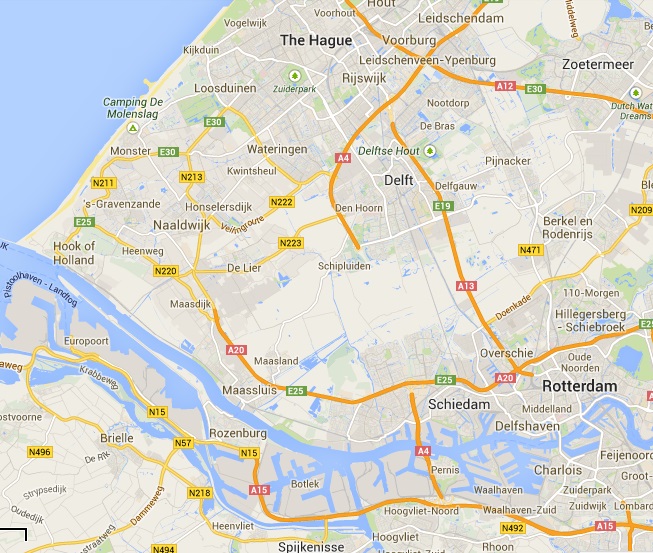
The wind again had presence. Following the LF1A we passed through Zandvoort’s southern neighbourhoods where the architecture at least was better. Less stark and modern. However, along the coastline, Zandervoort has many imitators. Katwijk aan Zee, for instance, the mouth of the original Rhine. The route between the two continues the dunes theme.
Sheveningen is the beach town of the country’s capital, Den Hag. Getting through also requires diligence as the cycle route meanders its way through residential and industrial streets. It is a working port. We had afternoon tea at a café in a 1960s shopping arcade in Kijkduin within earshot of a brass band playing for customers. I felt like I was in England.
And then finally to a campsite on the edge of a curiously named town, Monster. The campsite was great. Cheap, lots of room and a washing machine. We pitched the tent, showered and then went in search of food. Fortuitously, we headed to the beach first and found a restaurant on the beach. Unexpected. Monster is not the kind of place that suggests beach restaurants.
Although the menu was not veggie friendly, we were served with a dish that involved stuffing an apple (picture above right). It was surprisingly good. We were the last customers out of the door at closing time.
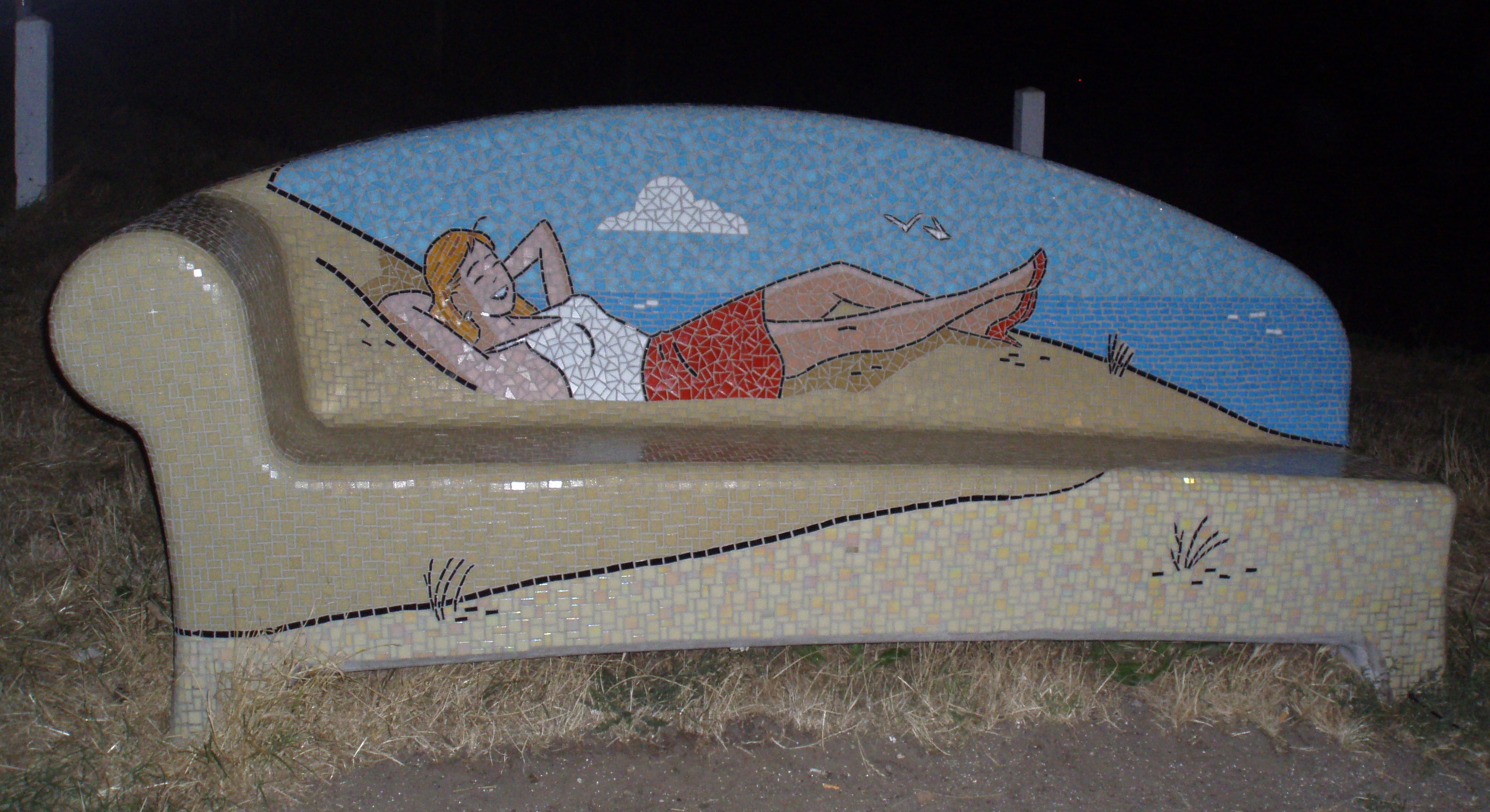 We then attempted to walk into Monster itself in the dark. We got so far before we gave up and went back to the campsite. The short distance that we did walk presented a well-preserved wind pump and some interesting street furniture like the specimen on the left.
And then on to our final day. Hoek van Holland and then round the channel crossing it at Rozenberg where we had a bizarre lunch experience in a bar. There was not much open in the town on a Monday. Not sure why. We anticipated tumbleweed blowing down the main street.
Europoort is then another ten kilometers of unmemorable dockland. And a queue to get on board the ferry. Fortunately it was not raining.
Tandem tour 2013: Gröte to IJmuiden and Zandvoort
 The adjacent beaches to Gröte are superb (see post 17 October). Journeying south takes one through some delightful and quiet forested areas (below right). By this time cyclists travelling south are following one of the country’s long-distance cycle routes, in this case, LF1A. This makes navigation easier as the network of paths and small roads is extensive and potentially confusing.
Bergen marks a southerly marker for this park area. Onward takes one through small indistinguishable towns such as Egmond aan den Hoef and Castricum. Parallel, one could negotiate Alkmaar and Uitgeest (further West). We stayed with the LF1A long distance route through Wijk aan Zee primarily because of our desire to make camp at Zandvoort, a resort 20 km south from IJmuiden. 
Arrival at IJmuiden on the LF1A demands a decision. There is a significant stretch of water to cross either by small bridges across locks (downstream – see map below) or a ferry (upstream). We opted for the ferry. The ride to the ferry seemed like a huge detour. We had to wait with the locals about 15 minutes for the ferry. Operated by Arriva – a company that seems to have all public transport contracts in the area: ferries, buses and trains – is at least free.

IJmuiden ferry crossing
Once across, the path goes through another national park, the Zuid Kennemerland National Park. It is gated, so being there late in the day is not a good idea. But it provides a pleasant and safe approach to Zandvoort.
Zandvoort is a reasonably large – but unattractive – resort. Summer weekends are busy. Very busy. Accommodation is not easy to find. We had planned to camp at Camping De Branding on the north side of the town. On inspection, we decided not to. It would have been very difficult to squeeze in and the loud party music had already started. Instead we rode back out of the town and checked in at the Kennemerduincampings (on the N200 just before it turns due south into the town). Essentially camping in the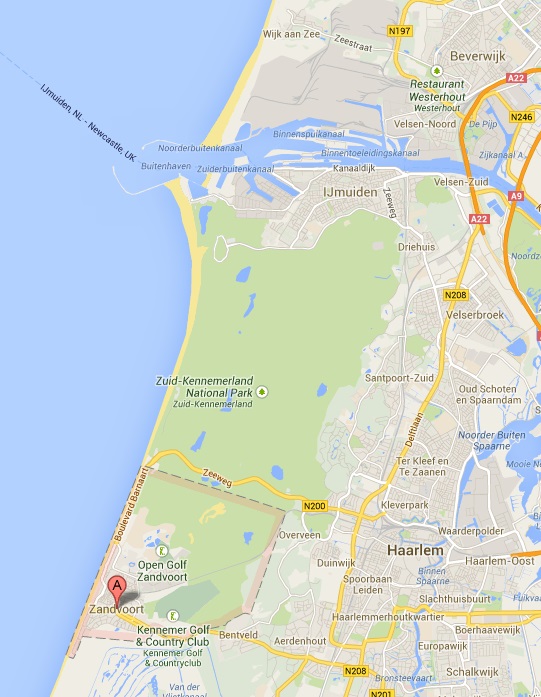 dunes. It is huge. Reception to day tent area was a 15 minute ride! And, ideally, one needs some extra long tent pegs as the dunes are soft. Pitching can be a challenge.
There was a restaurant, fortunately, as we were far to late to get into town.
Tandem tour 2013: Alfsluitdijk
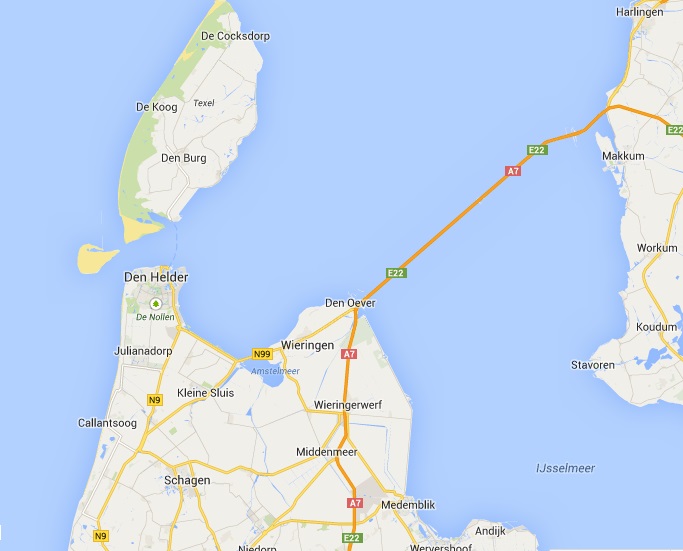 I’d seen it many times on maps and even looked at it on Google Streetview, but the reality was something else. Afsluitdijk itself dates from 1933 (it took a mere 6 years to build) and is the result of both political and engineering debates and challenges. These are commemorated at the Monument Refreshment Stop two-thirds of the way along the dyke from our northerly direction.
According to Wikipedia (17 October 2013), “work started at four points: on both sides of the mainland and on two specially made construction-islands (Kornwerderzand and Breezanddijk) along the line of the future dike.

Alfsluitdijk looking south from Monument
“From these points, the dike slowly grew by ships depositing till into the open sea in two parallel lines. Sand was then poured in between the two dikes and as it emerged above the surface was then covered by another layer of till. The nascent dike was then strengthened from land by basalt rocks and mats of willow switch at its base. The dike could then be finished off by raising it further with sand and finally clay for the surface of the dike, on which grass was planted.” Amazing.
It is a busy stretch of road, the cycle track particularly so. Swarms of speed cyclists use it for training as it has a very good surface and is, on the whole, straight and flat. Naturally it is windy. The sense of being in the middle of the ocean is incomparable, at least in Europe. It is quite a ride.
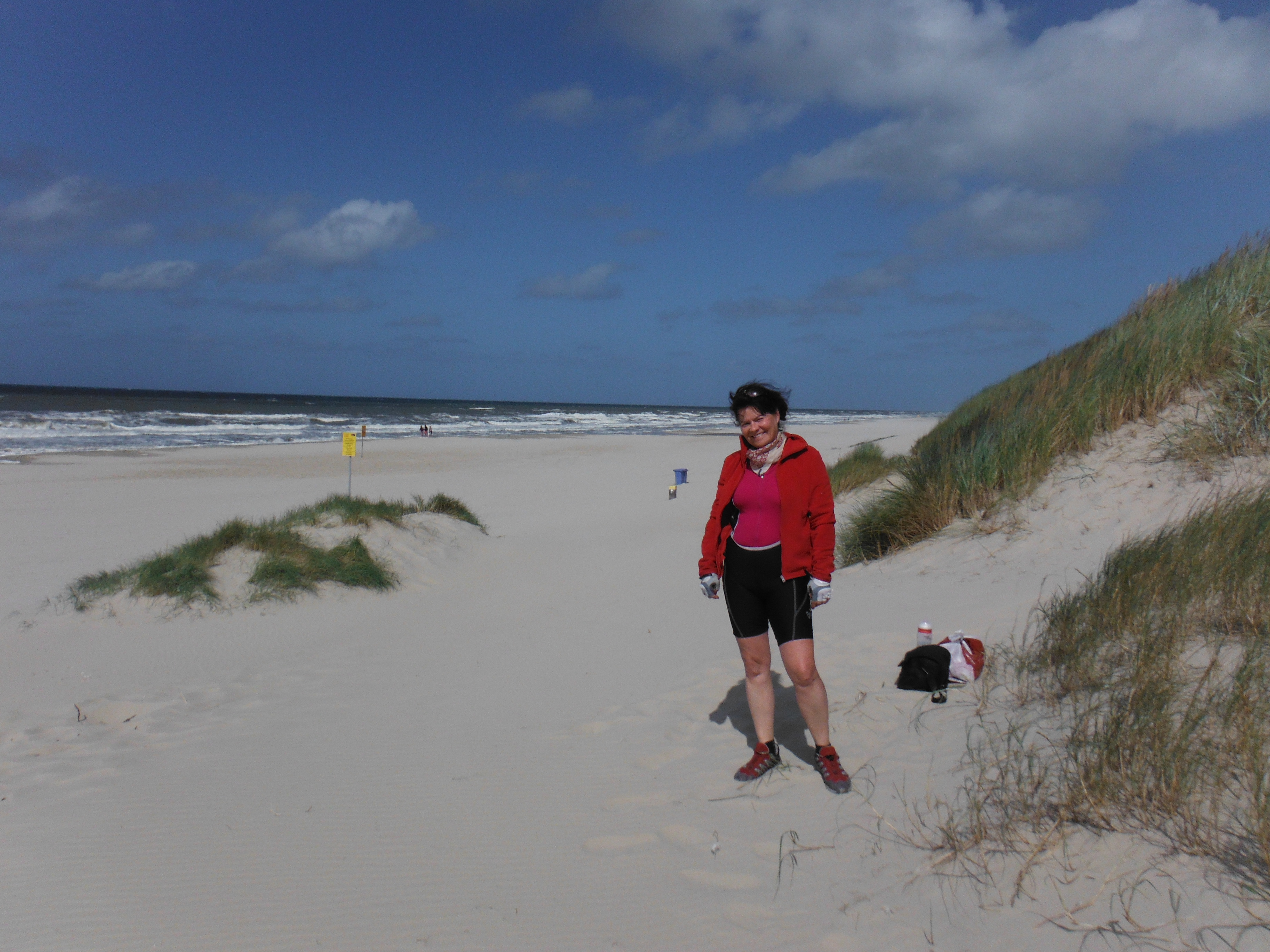 Once back on the mainland, it is back to cycle tracks and agriculture. But this section leads to some of the most unspoilt beaches – golden sand and dunes. A campsite at Groet provided a suitable place for quick access to the beach the following morning.
Tandem tour 2013: Hamburg to Groningen and Harlingen
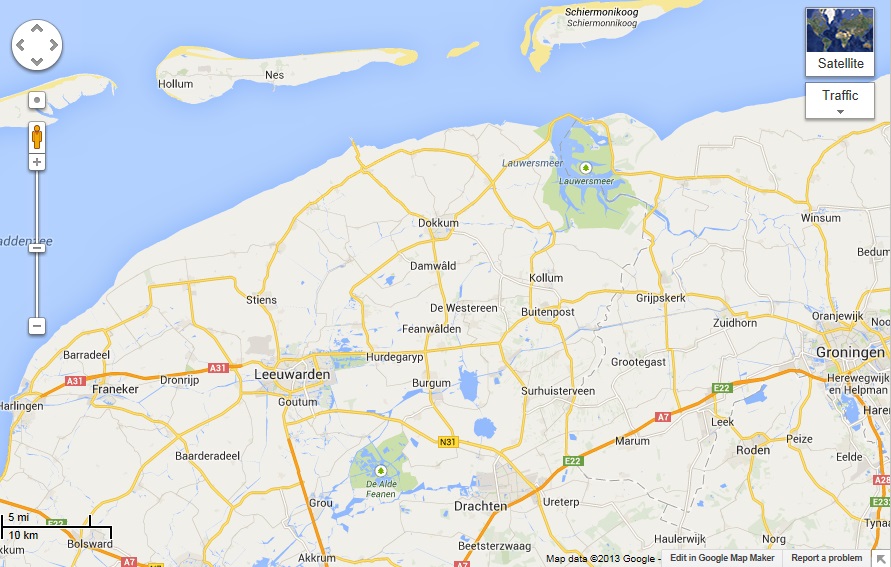 We took a series of trains between Hamburg and Groningen in the Netherlands en route to Rotterdam, where we would take the ferry to England. On the whole, the trains were easy, particularly in the week when competition for cycle space is much less. Our route was Hamburg to Bremen, Bremen to Leer and Leer to Groningen. All in all, it took about 5 hours.
Groningen (below right) is typical of many Dutch towns. Optimised for people and cyclists and full of people who speak languages other than their own. After eating a very relaxed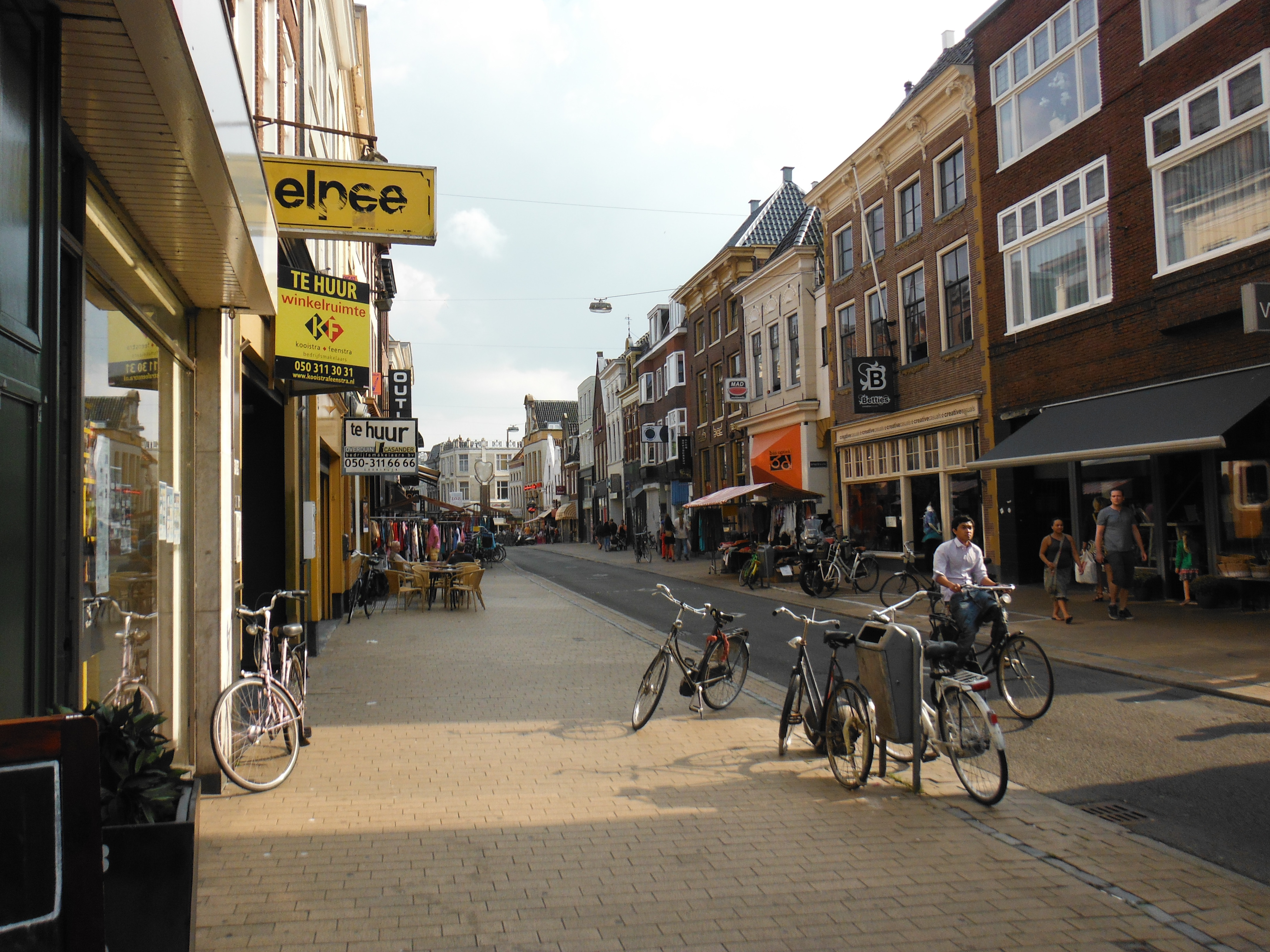 café-bar, we set out to find a campsite in a small place called Vierhuizen just on the edge of the Lauwersmeer national park on the north coast. Estimated to be about 25km, our unfortunate detours added about an hour to the journey despite the excellent signposting associated with Dutch cycle tracks (see post 14 September), it was very dark by the time we got there. But it was worth it.
The campsite had lots of room for tents. The owners run the restaurant, so arriving late was not a problem. They also sell a local beer which is really nice. We enjoyed breakfast there before experiencing the unexpected. 50 kms of sheep and sheep shit, cattle grids and wind punctuated by only one village with a café (Paesens) and a remarkable vendor of ice cream – a retired truck driver now with a rather lighter tuc-tuc with some stories to  tell. The terrain is uncompromising and frankly boring. Fortunately, Harlingen was an oasis amidst this – and it was having a party when we got there (a big funfair and live music). We gave up on the idea of camping and found a hotel (Zeezicht, pictured left). The manager was so enamoured of the tandem that it was stored in the Board Room for the night. Our room was not bad either.
Harlingen is a busy working port. There are ferries to the offshore islands of West-Terschelling, Hollum and the Duinen van Texel national park. With hindsight, the hotel probably had the most veggie-friendly food in the town. We should have eaten there and then gone out to explore.
Stressed furniture
Here is a design trend that really needs dismissing before too many people are separated from too much of their money. I do not know if it has a name, but it seems comparable with ‘stressed jeans’ except for furniture. I have just replaced a pair of stressed jeans because they have worn out (afer 8 years). The knees have holes in them and I do not think that I can pull off the stressed look with any credibility.
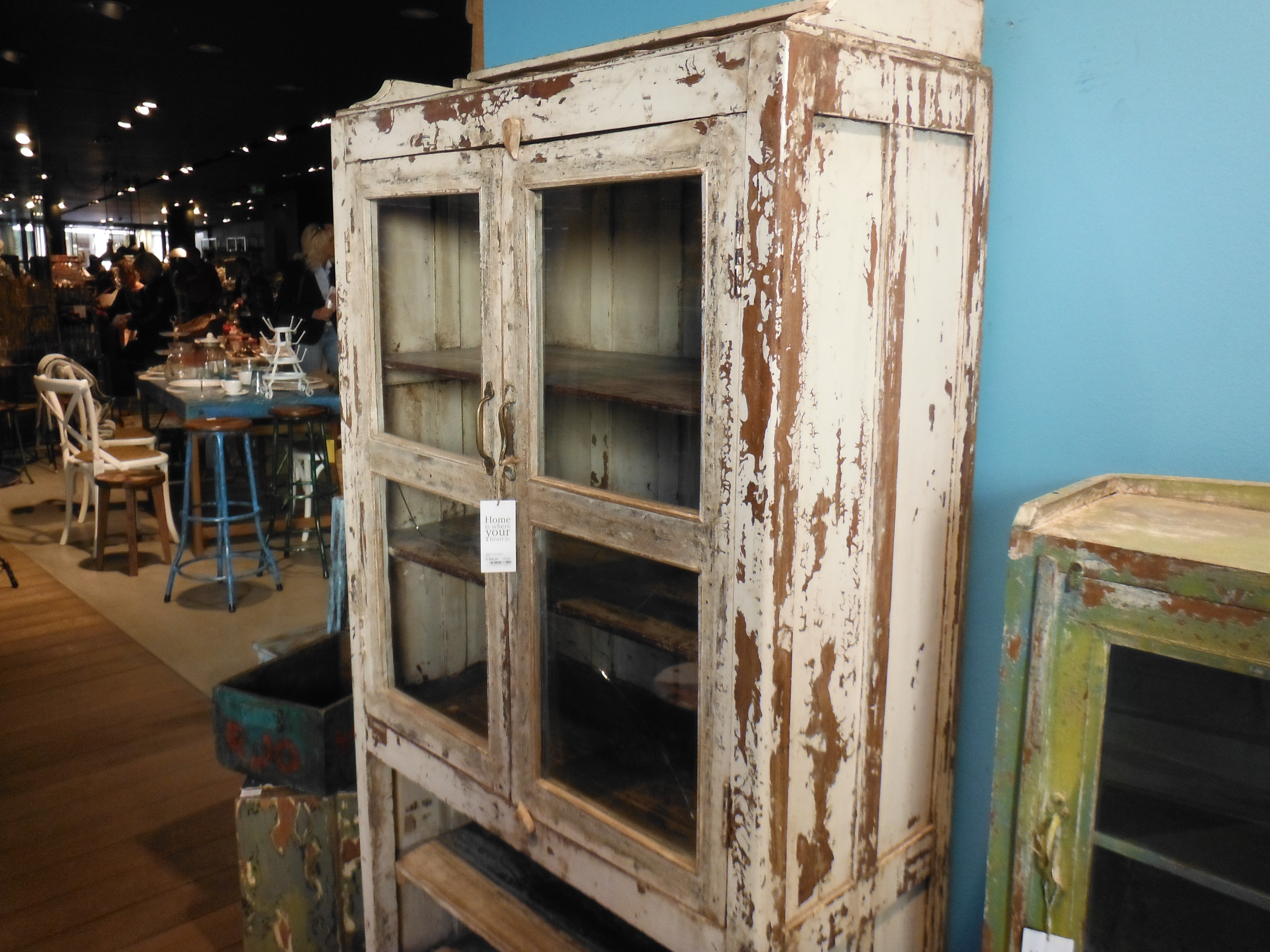 Equally, I am not that keen on filling my living space with stressed furniture. The example on the left – complete with broken glass – is on sale in a mid-range homewares retailer in Köln. Unfortunately having seen this, subsequently, I found many examples of the look ranging from beds, tables, bookshelves, indeed any wooden furniture.
No!
Tandem Tour 2013: Wittenberge to Hamburg
 We left the Tollhouse and cycled through the Altstadt to the river. The north bank was quiet with a reasonably good surface on a bank giving unusually good access to the river. At Lenzen we took the ferry towards Vietze en route to Hitzacker.
Adjacent to the small hamlet of Kaltenhof is 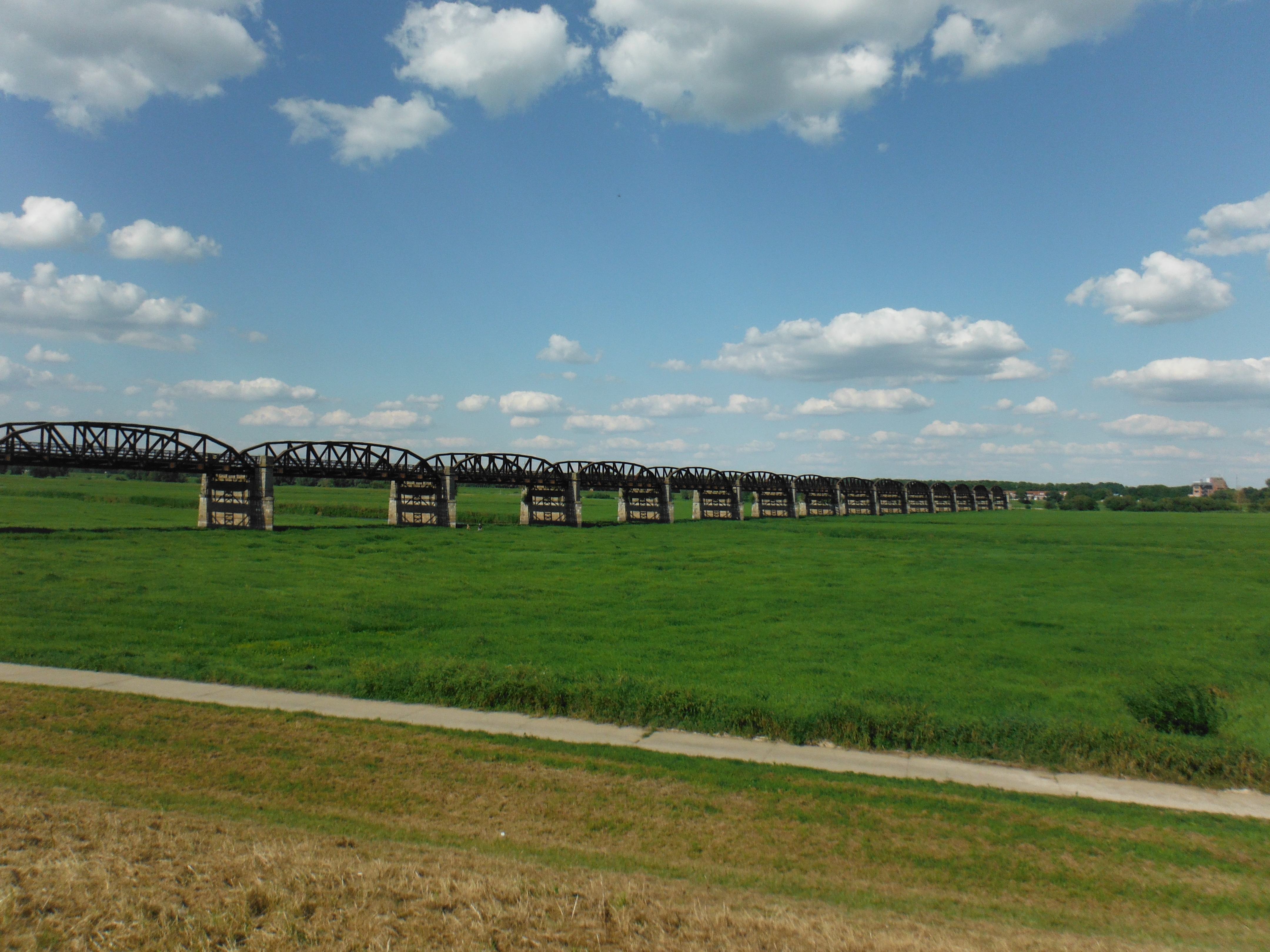 an abandoned railway bridge – die Dömitzer Eisenbahnbrücke (right). The bridge dates from 1873 and was destroyed by the allies in 1945. It was never reconstructed because it formed the border between East and West Germany. Seemingly what we see remaining is protected as a monument; but only the West German section remains as it was protected in law. In the East, it had greater scrap value.
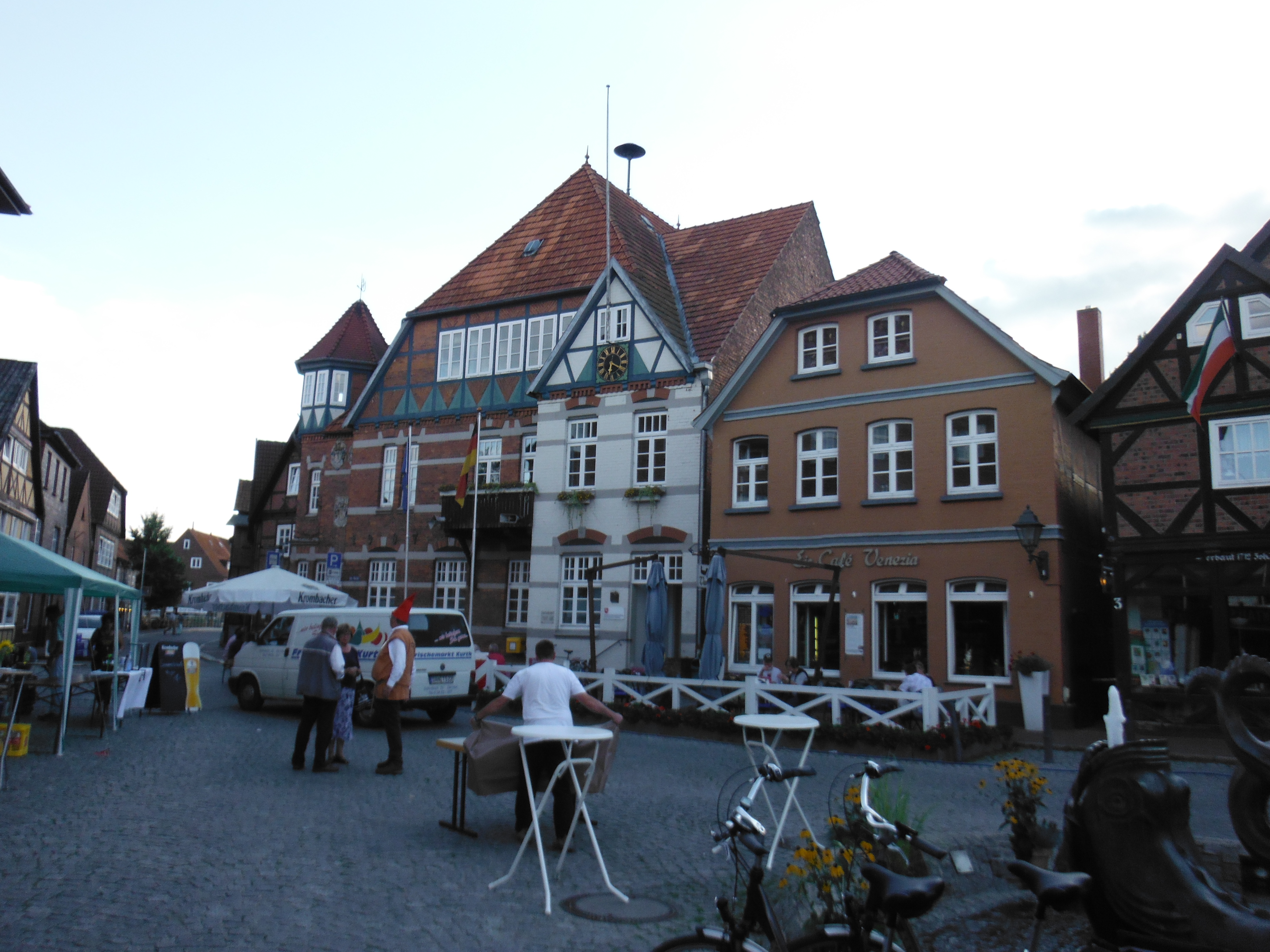 We arrived in Hitzacker in late afternoon on a Sunday. The main square was hosting a fayre with food, beer and children’s entertainment. Perfect for us to have an inexpensive outdoor feast of authentic Thai noodles, Apple tart and beer. We abstained from the bouncy castle. We were hungry and we were going to need the energy for the final section. The town itself competes with many similar hamlets in terms of historic buildings, ‘Fachwerk’. A really pretty town (new Rathaus, left).
Hitzacker also suffered in the late spring floods. We ignored a barrier on the path assuming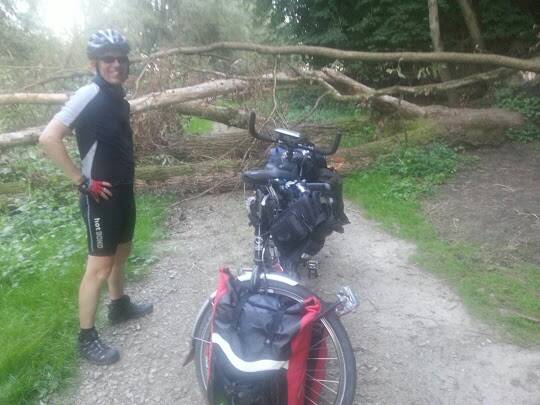 – rightly in many cases – that it would be passable. However, we had not anticipated 10 fallen trees along a short stretch of river on the south side heading to Neu Darchau. On ten occasions we had to unload the tandem and lift it over, or thread it under, a tree (right).
Beyond the obstacles the road ascends towards Drethem. By this time the light was fading. We opted for the campsite at nearby Walmsburg. It certainly was not very busy. The elderly proprietor answered the bell and took our money. She even sold us beer. What she did not tell us, however, was that most of the appliances on the campsite were powered by 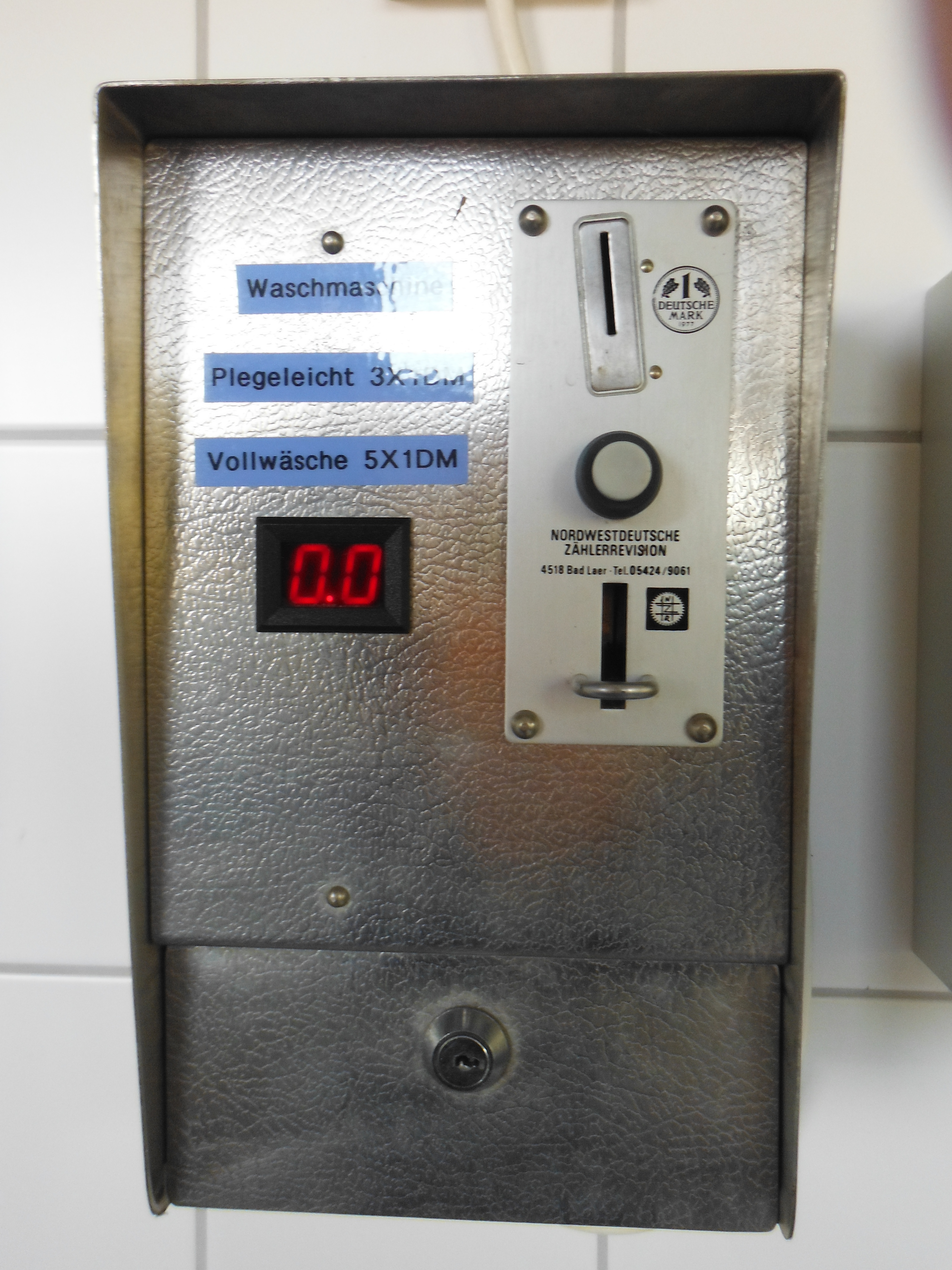 Deutschmarks rather than Euros or even tokens. A rather sweet phenomenon, but a bit frustrating when a functioning washing machine lays idle for want of the right defunct currency.
I did the laundry by hand and in cold water. I discovered another endearing aspect of this campsite, the plumbing. The taps all dispensed water tinged with rust. The clothes, whilst undoubtedly fresher, looked like they had been tie dyed. Bearing in mind there are alternative campsites within 10km, best avoid.
Onward through Bleckede and across the river by ferry. The surface changes to very uneven cobbles through the historic and extraordinary old town of Lauenburg. With hindsight, it would have been nice to have spent some time there, but we were focused on getting to the environs of Hamburg in daylight.
The section from Lauenberg to Tesperhude was extremely challenging. The path takes riders through dense woodland on a slippery surface with lots of ups and downs and bends (and steep drops). The river pokes through the tree canopy to remind riders that this is still the Elberadweg.
Then onwards to Geesthacht – a working port. After stopping for some food in the town itself, we embarked on our now obligatory evening ride.
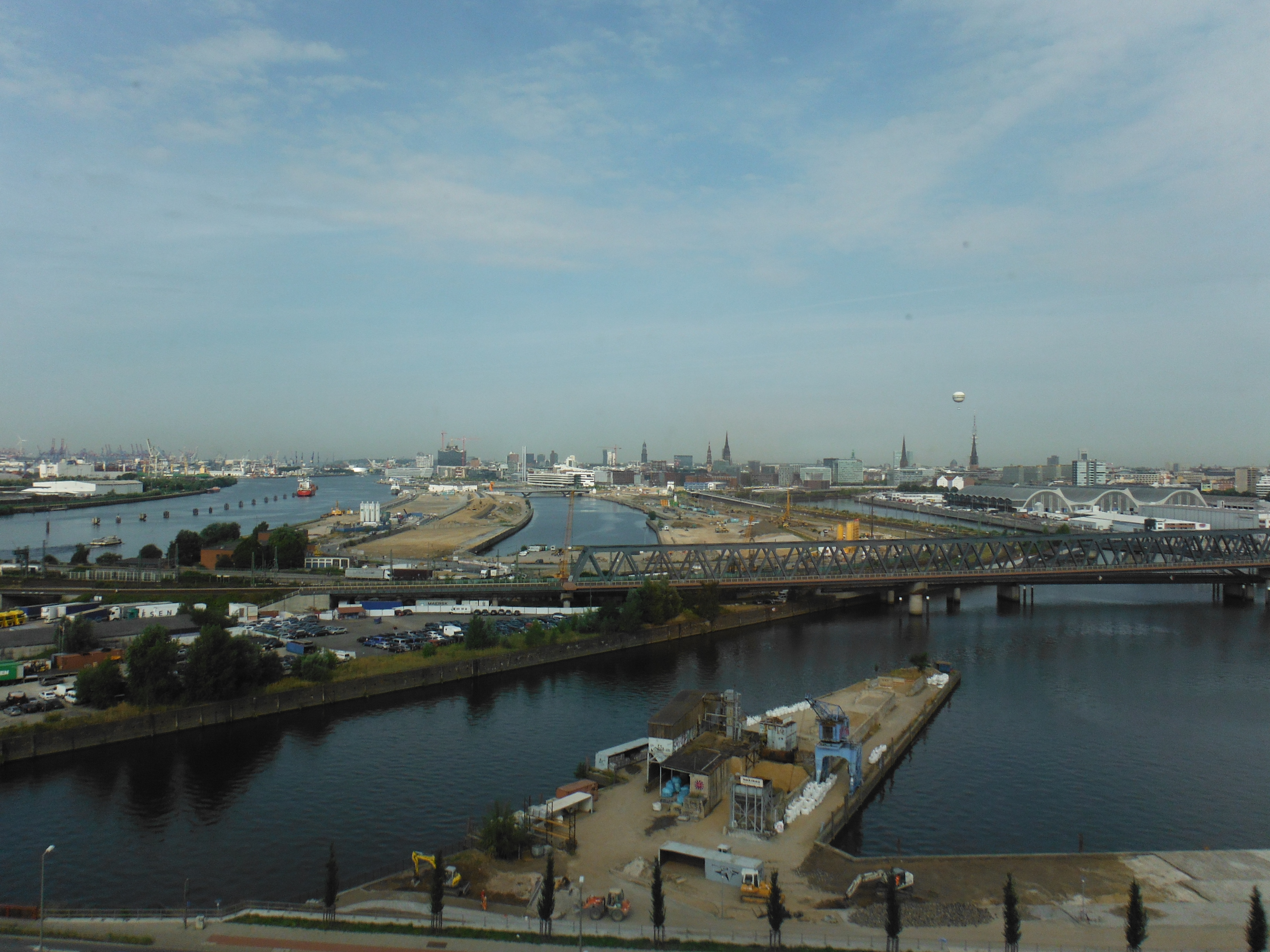
Hamburg from hotel
The plan was to camp at Fünfhausen with a view to using it as a base for our day out in Hamburg (there is an hourly bus service). It was not to be; the campsite is a private park with no day camping facilities. The town itself has no accommodation. Indeed, there is no accommodation on this section at all (we were, essentially, on the ‘wrong’ side of the river with no way of getting across). We eventually found a hotel in Hamburg at 2300, having discovered that the City was hosting some kind of festival leaving accommodation of any kind at a premium.
Tandem Tour 2013: Magdeburg to Wittenberge
 In the early summer, much of Germany suffered from floods. The Elbe region was one of those severely affected. Magdeburg in particular. Up to this point we had not really noticed, but much of the Elberadweg to the North of the city was no longer passable. The detour – Umleitung – was not well signposted, intuitive or attractive.
We were trying to get to the market town of Tangemünde having left Magdeburg at 1500. We fell 18km short and opted for the Family Camp Kellerwiehl just north the small town of Bittkau.
The campsite is idyllic. There is a large lake, lots of trees, and a rudimentary restaurant; and to top it all, a labour-saving washing machine for our cycling gear. We ate in the evening (2030 on arrival) some salad, omelette and chips. We also cheated on the camping by hiring a wooden hut for a very reasonable fee. Luxury (below right).
Breakfast in the sunshine and then off (with the key to the hut in my pocket). It  was only when I stopped to shake an apple tree to harvest some of the abundant free fruit along the way that we noticed. Fortunately, community functions sometimes. Although the post office was closed in Tangemünde (Saturday, late morning), a quick call to the campsite secured the return of the key. Moments later the owner retrieved it from the jewellers (a strangely complementary business for a post office) whilst we had coffee in the impressive town square with the
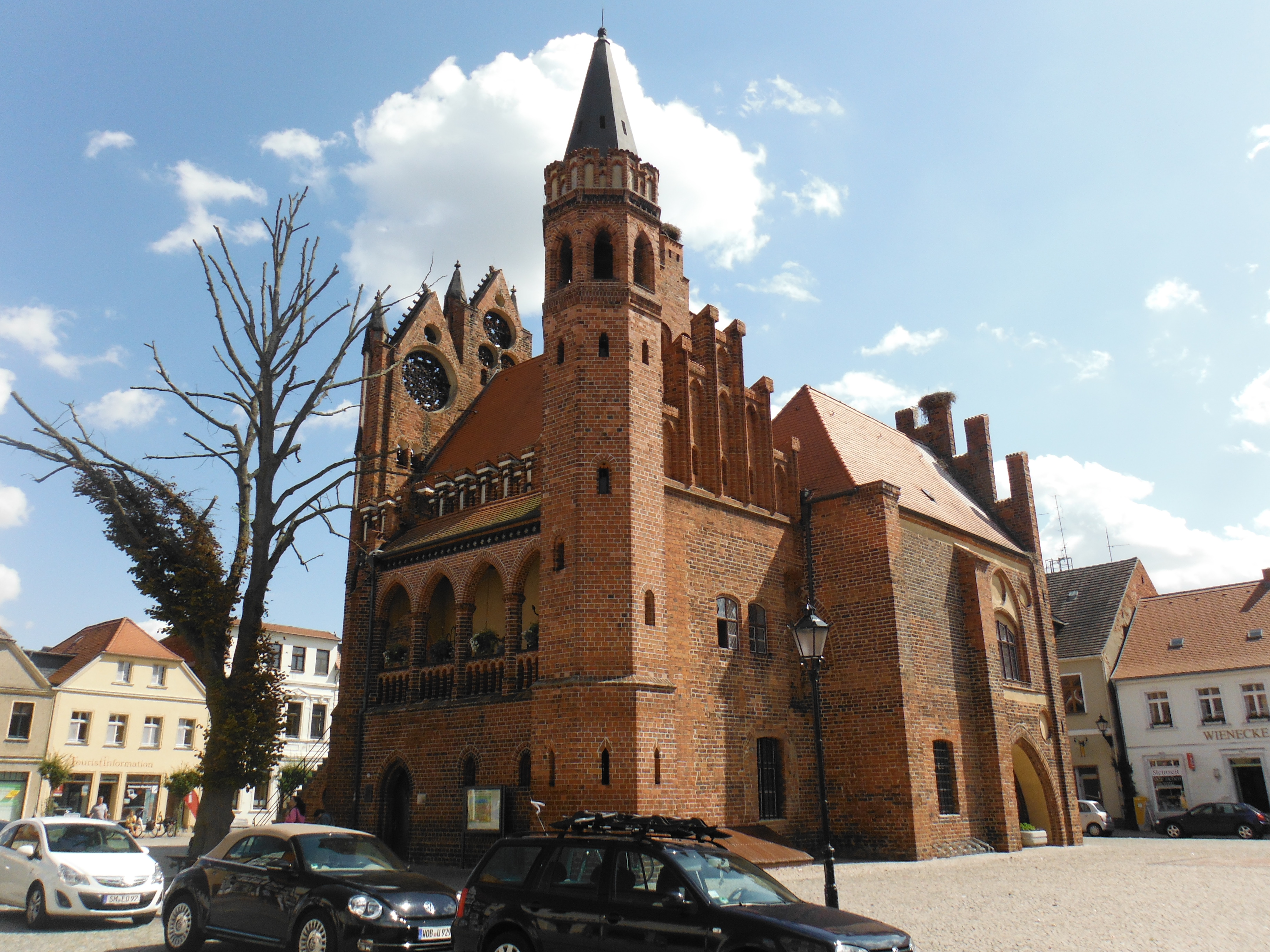 imposing town hall (below left) hosting a wedding. The town is an architectural delight with many wooden beamed ‘Fachwerk’ houses and buildings.
We set ourselves the target of reaching Wittenberge by the end of the day (100 or so kilometres), and picking up some fuel in one of the region’s ‘Hanse’ Stadts, in our case, Havelberg. En route, most of the villages and small towns were totally deserted. Arneburg, for example, with its impressive array of fachwerk, public art and an open Tourist Information Office, was reminiscent of southern European town in the middle of a siesta. But even then to use the toilet, one needed a key. Very clean though.
Crossing the river by ferry at Sandau, it is clear on arrival in Hansestatdt Havelberg that it was once a strategically important town. It is situated on the River Havel connected to the Elbe initially by a canal (upstream it voluntarily flows into its bigger neighbour). The rivers have served the town for trade, water and protection – indeed the safest place today would seem to be the campsite occupying an island accessed by a small bridge. From the middle ages, the economy was based on fishing, ship building, agriculture and cattle breading, apparently.
Again as the sun began to set, we approached our stopping place, Wittenberge. It was nothing like its southern Namesake. We sensed that we had entered a town that was not wealthy. It clearly lacked commercial heritage, and as we discovered later, young people. But in the midst of all of this is the hotel to match no other.
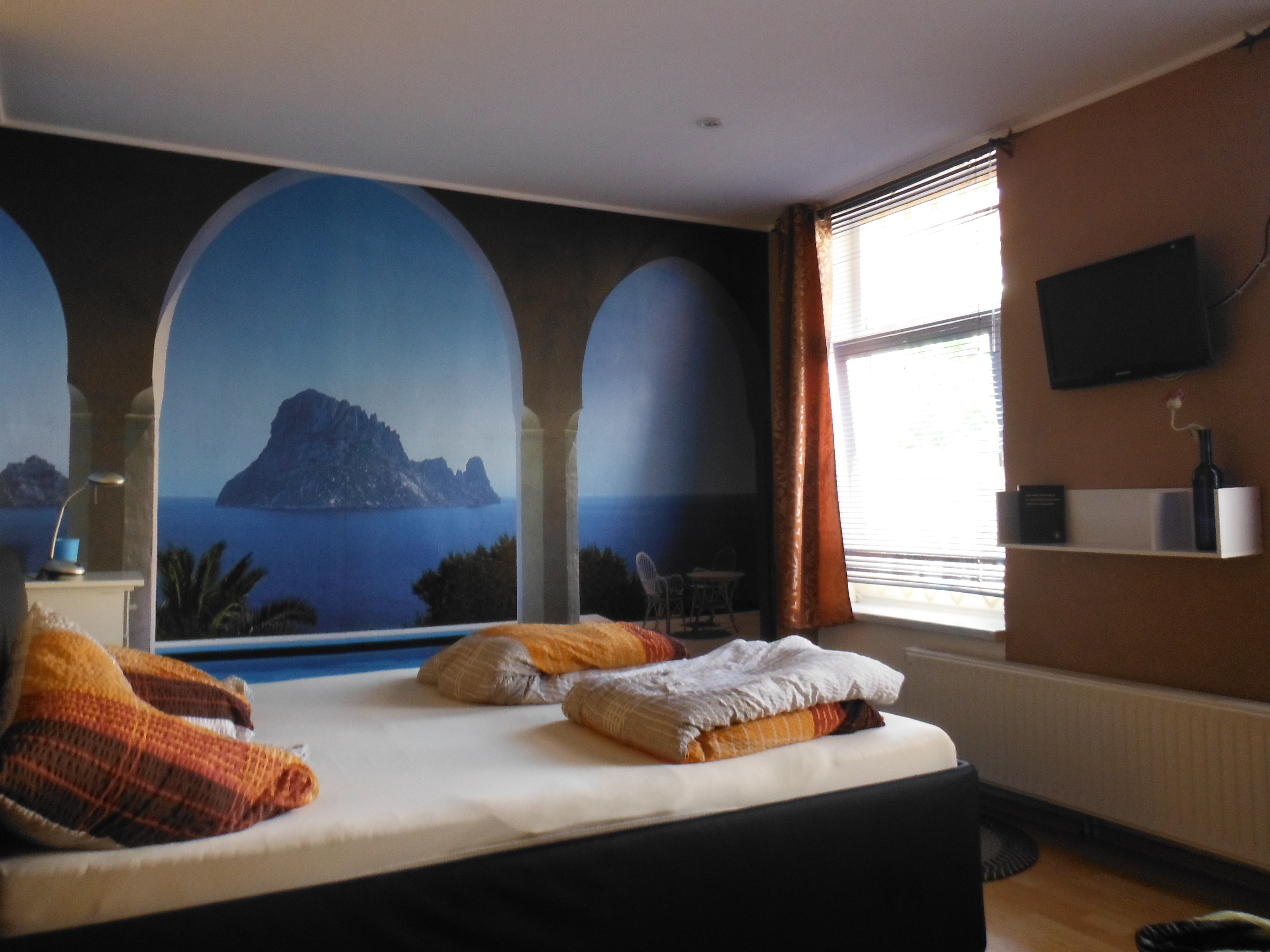 The Tollhouse Pension is what it says on the can. On arrival, check-in involves playing a couple of games, one resulting in the award of a sweet, the other the prospect of a glass of schnapps. Once in – perhaps 45 minutes after arrival – one encounters a room of some individual character. The owners, aware that Wittenberge is not the prettiest, provide a view (right). The bed was supremely comfortable, too.
As for the place, the old town and river front are pleasant and compact. The Mexican restaurant in the high street is ‘preiswert’ and brimming with choice. Wittenberge, then, is one of those places that one rarely chooses to visit but should.
Duckworth Lewis Method Brighton review, 20 September 2013
 As Thomas Walsh said part way through under the crucifix at St Georges church, the unlikely venue for this 90 minute musical cricket fest, ‘two albums about cricket, how fucking crazy is that?’
The first Duckworth Lewis Method album dates from 2009 and co-incided with the momentous and nervous Ashes tour of that year. For readers unfamiliar with the Ashes, it is the trophy fought for between England and Australia in the five-day version of the game, also known as test matches. Despite their Irish origins, Neil Hannon – whose other musical project is The Divine Comedy – and Walsh of Pugwash, their love of the game and for England has culminated in enough songs to justify a paying audience, hence this short tour of intimate venues.
Duckworth Lewes Method fans – and there are many going by the size of this audience – know the songs only too well. Tellingly, the two requests from the audience were for songs from the first album. ‘Jiggery Pokery’ about the extraordinary phenomenon that was Shane Warne, Australia’s most celebrated and effective leg spinner of all time, is one of the cleverest and vocally trickiest songs in the repertoire but always handled with aplomb by Hannon. Mr Miandad, the second of the requests, chronicling the journey to Pakistan by Hannon and Walsh in a VW camper van to meet with Javed Miandad, one of the Pakistan’s greats, is just a feel-good song.
The show’s final few overs included a song that should have come earlier bearing in mind its subject matter; namely, ‘The Coin Toss’ and a really mischievous rendition of ‘Nudging and Nurdling’, a song that is as inexplicable as is the game of cricket itself. The finale was as fitting as it could be ‘Test Match Special’, a celebration of the BBC’s ball-by-ball cricket commentary so bemusing to many.
By this time the audience had got to its feet leaving Hannon and Walsh with the sense of a winning draw if not victory. Great night.
 Be informed