Archive for the ‘Photography’ Category
Drought, heat, the summer of 26
Filed under: Environment, Photography | Tags: climate, climate change, drought, Hastings, heat, Luton
 Leave a comment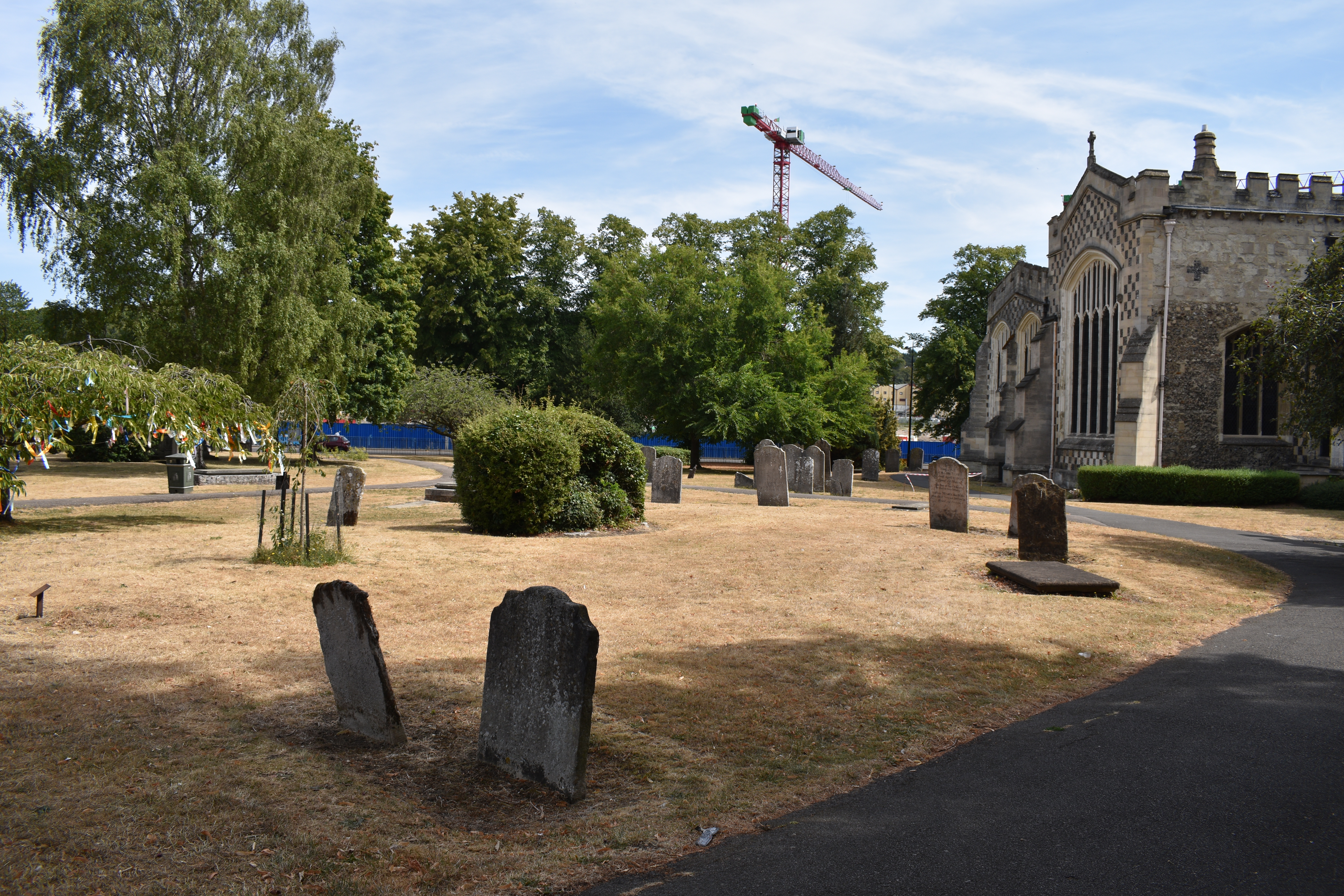
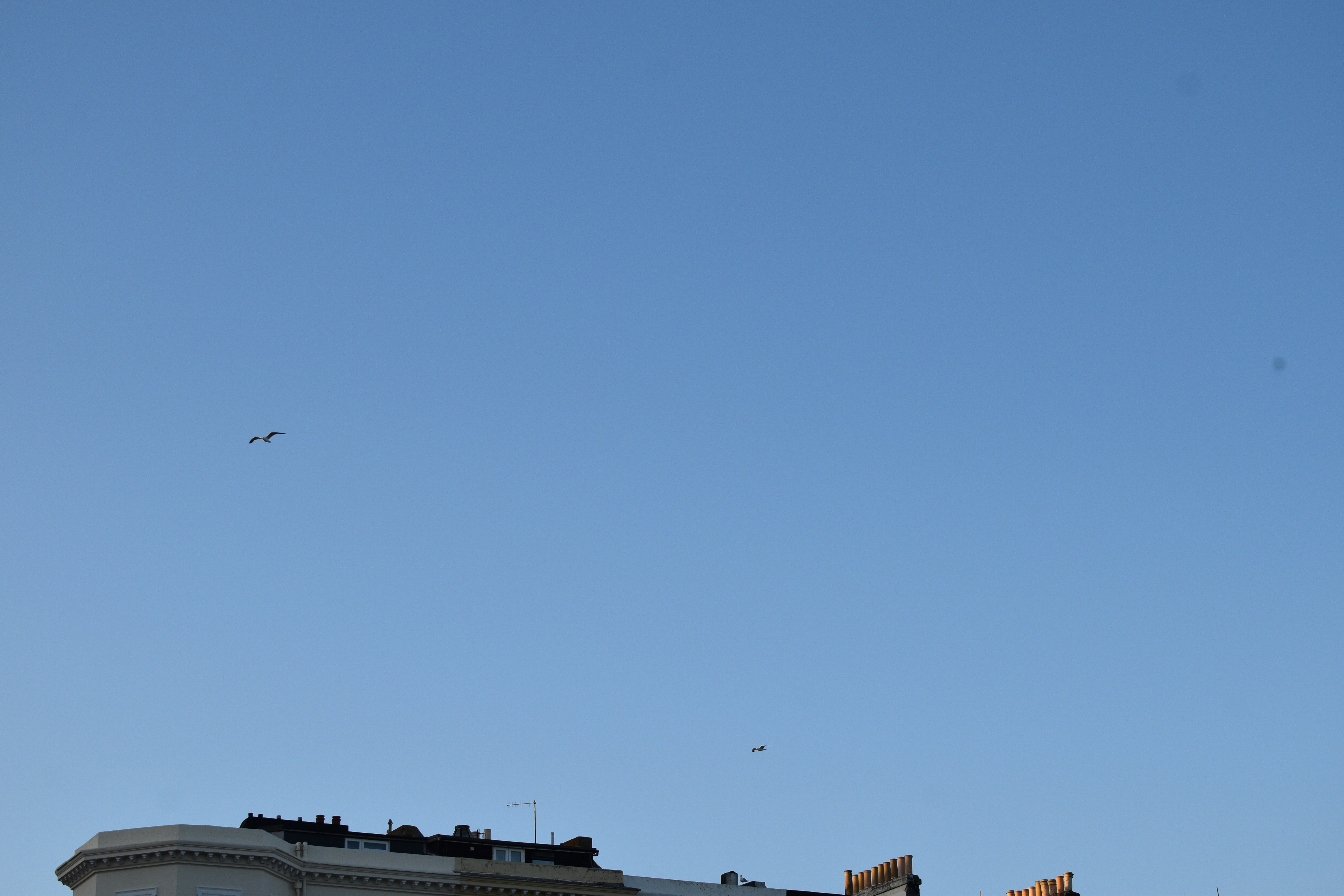
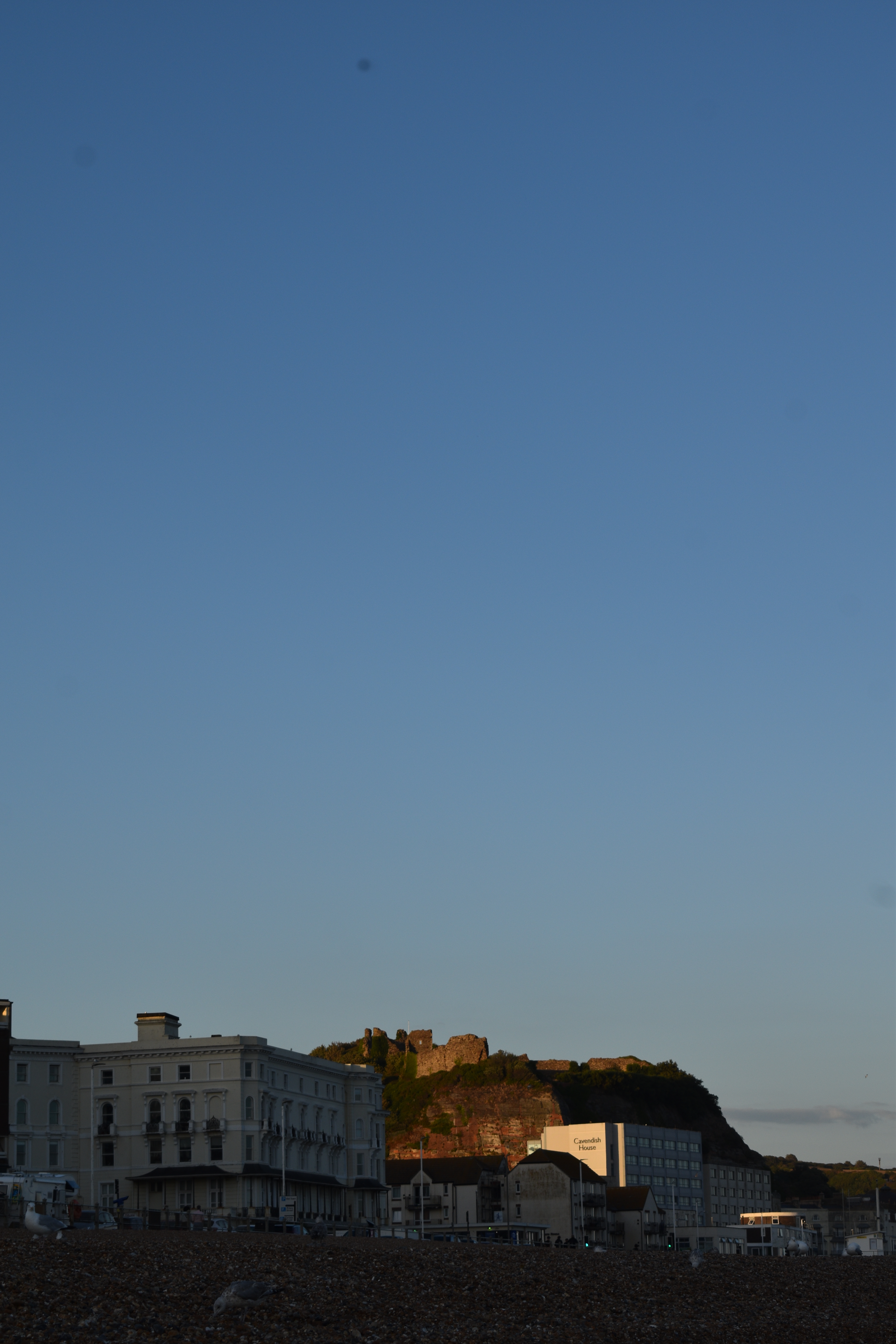
Top left: It is not only the people that are dead, St Mary’s Luton Parish Church, 5 August 2026; Middle: Another cloudless sky, Hastings, 6 August 2026, top right: Sunsetting, Hastings, 6 August 2026.
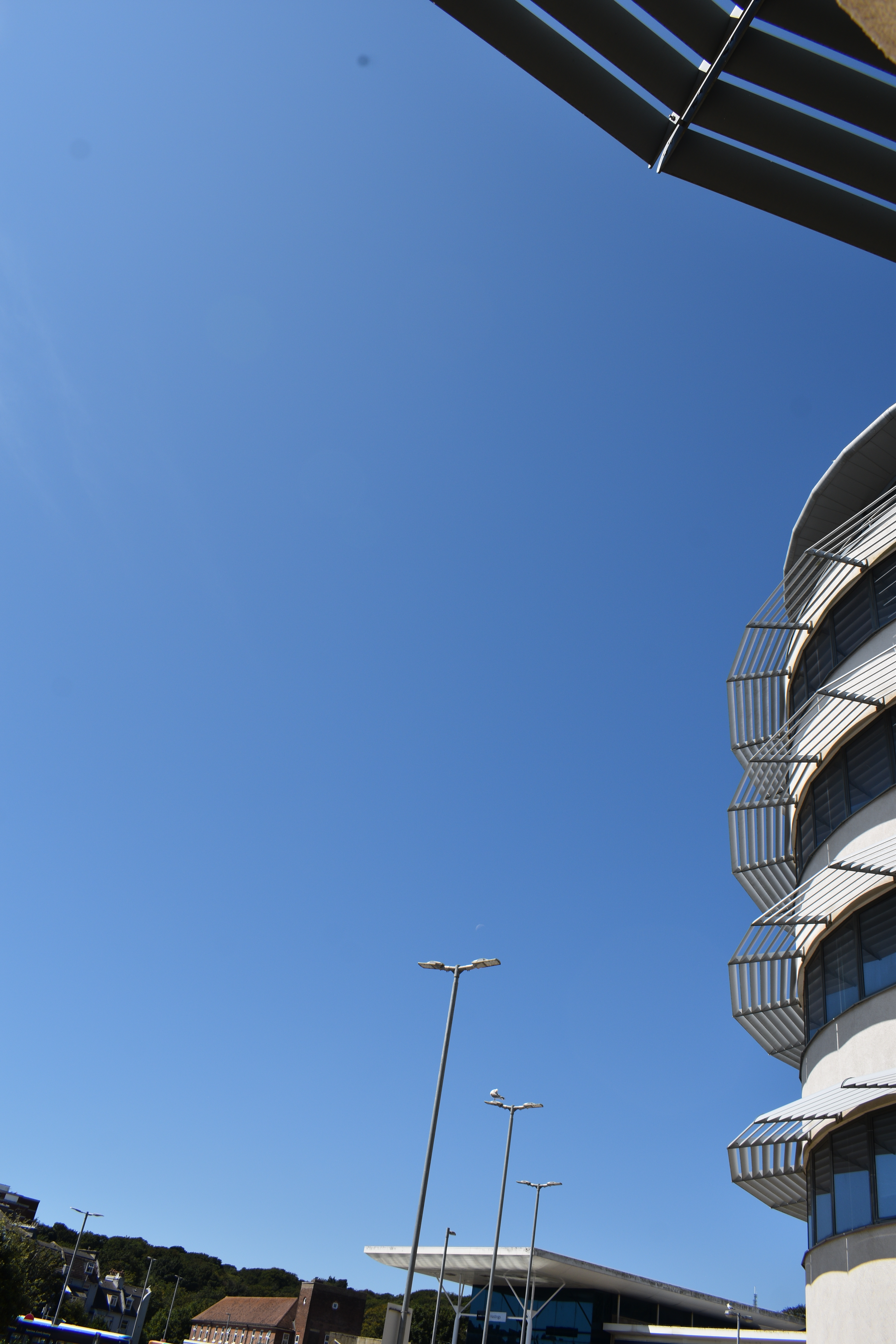
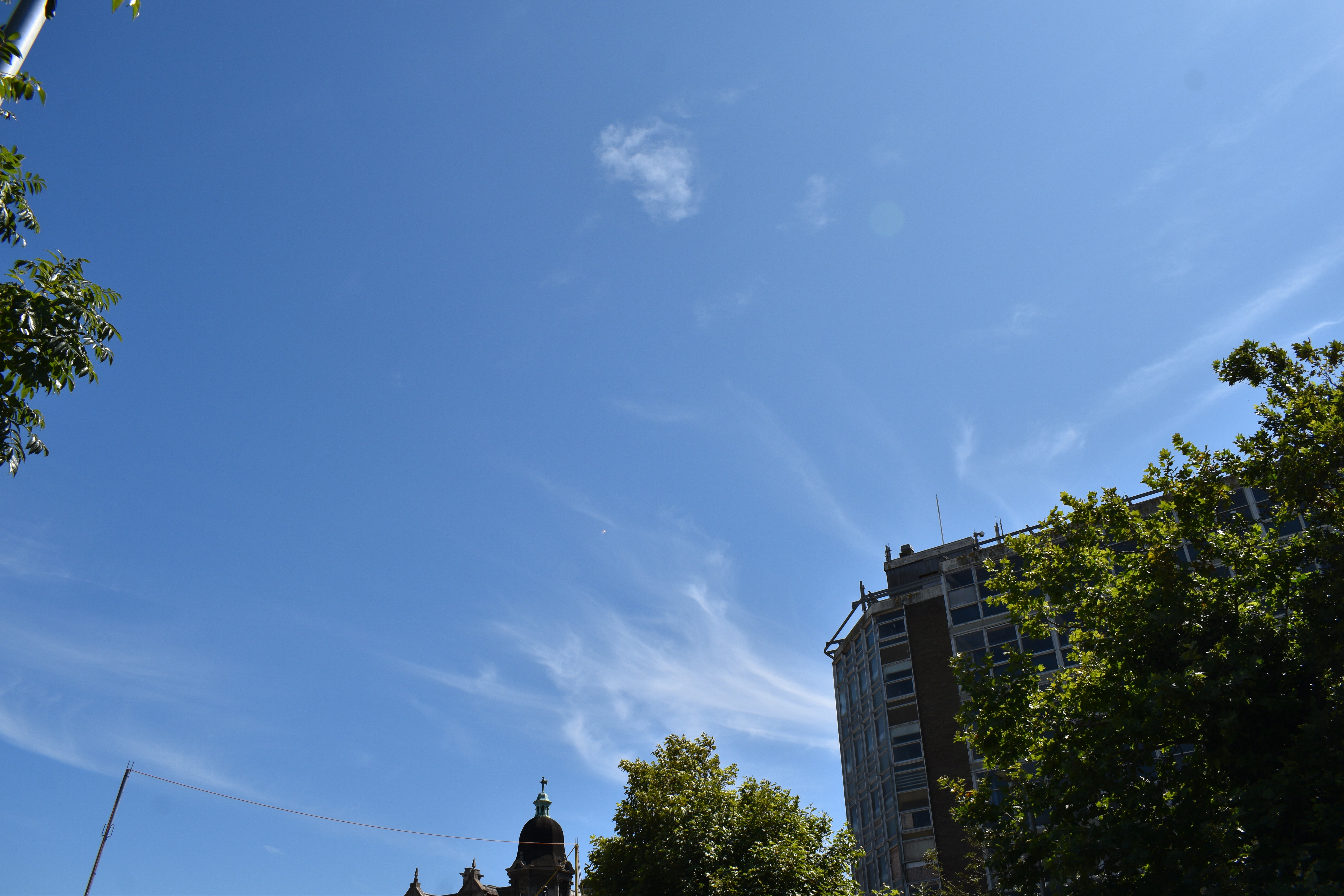
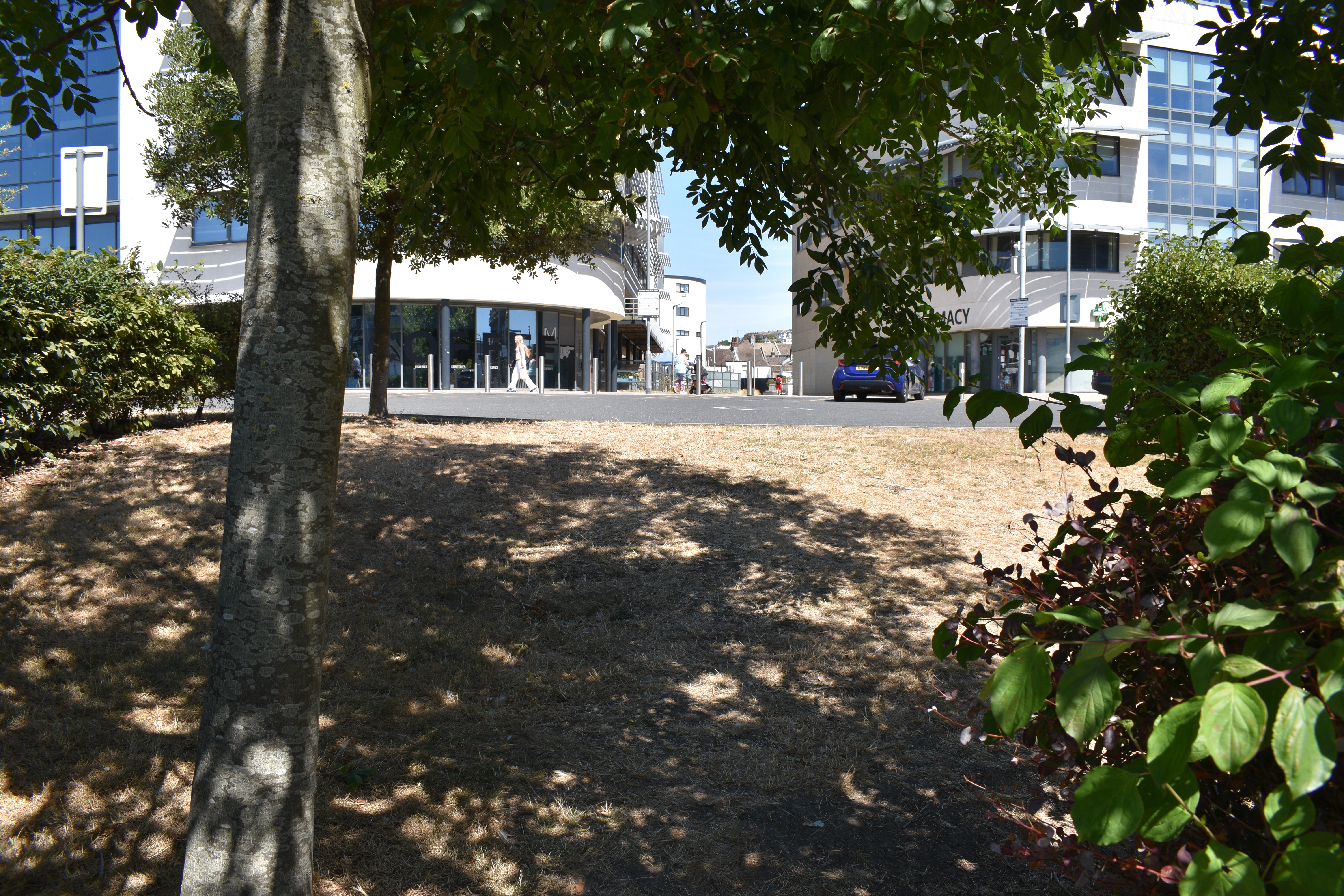
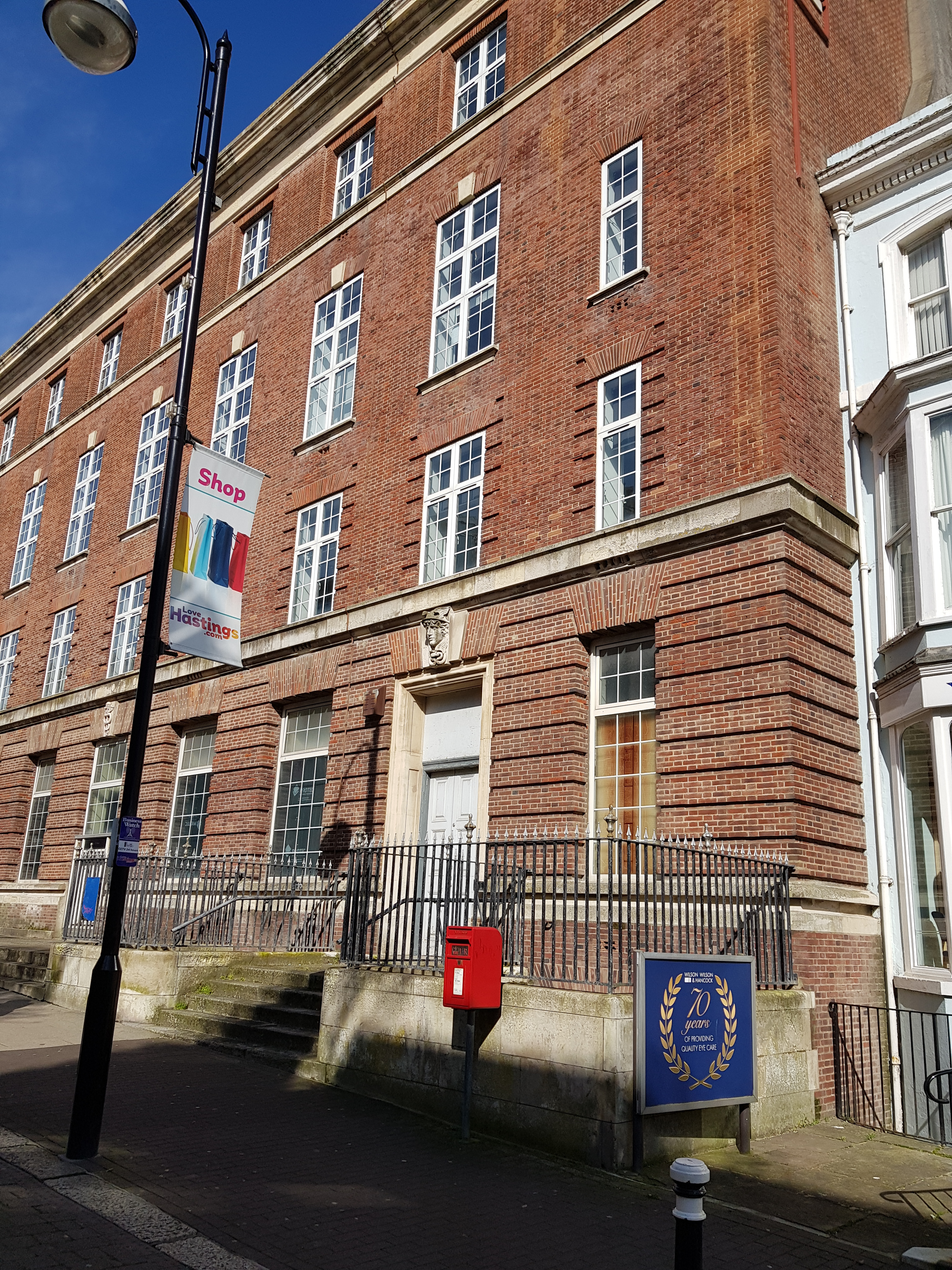
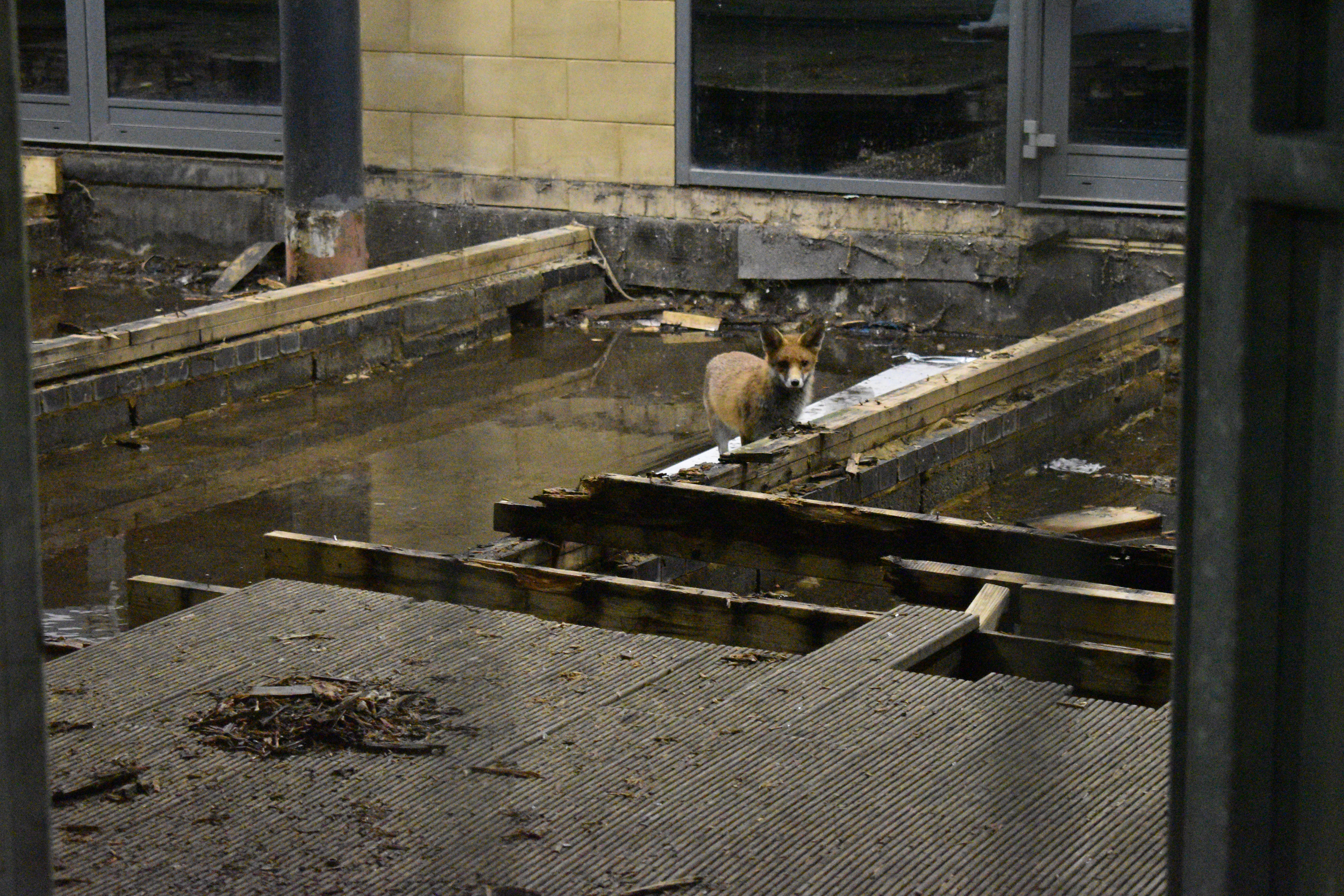
Above left: Let’s get this straight (East Sussex College and Hastings railway station, 7 August 2026); Middle: A shape of things to come (derelict Queensbury House, Hastings, 7 August 2026); Above right: I can see you (Station Plaza, Hastings, 7 August 2026)
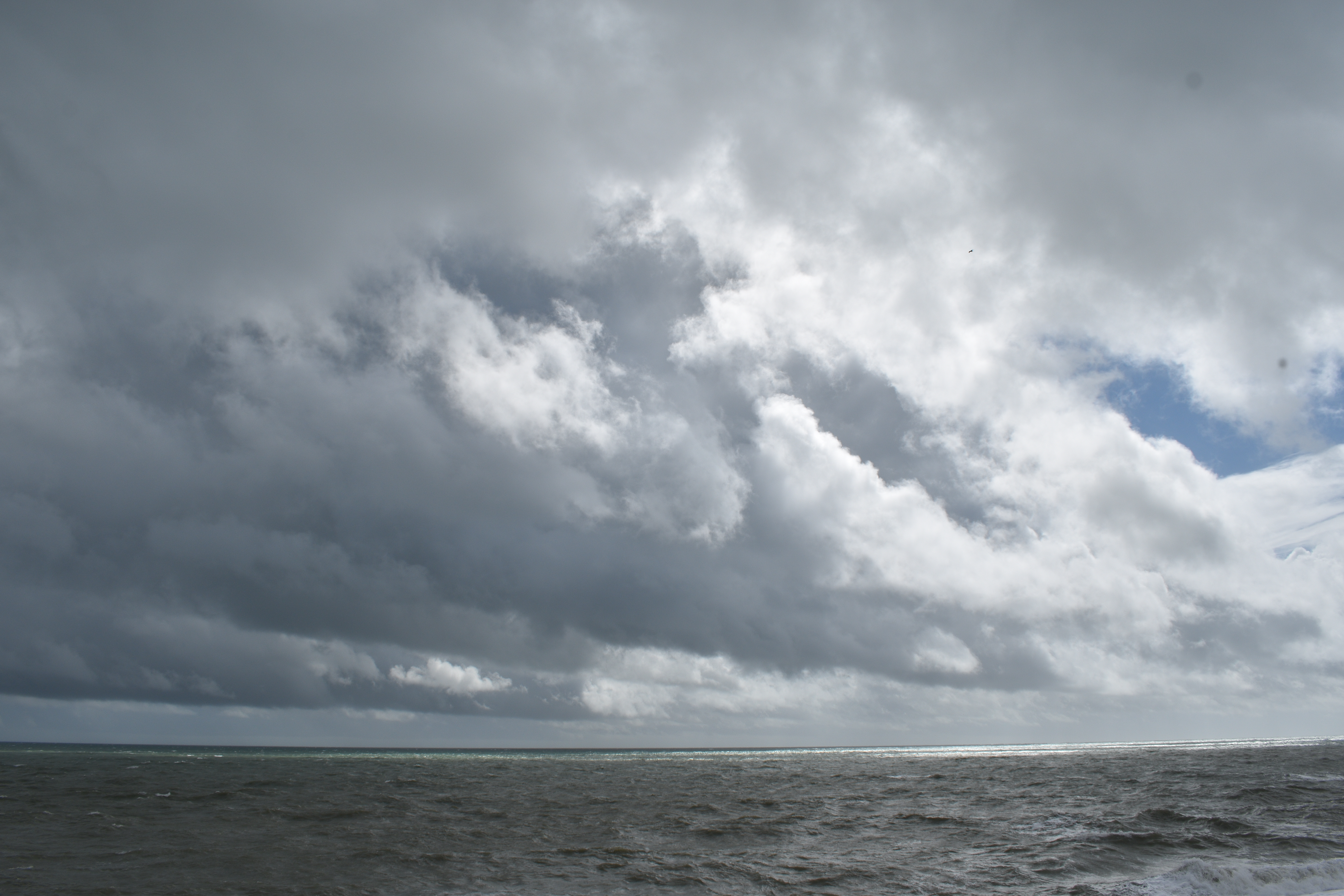
I have drawn on a newspaper headline for Richard Littlejohn in the Daily Mail newspaper. Suitably silly comment but it still has currency as people confuse climate and weather.
Modern world
Filed under: Photography | Tags: Hastings, Magritte, Pasing, Photographs, Theatron
Leave a comment I am trying to make sense of the world through my cameras (Nikon D3500 DSLR and Google Pixel). Here are six for the end of May 2026. There is a bit of a Hastings bias.
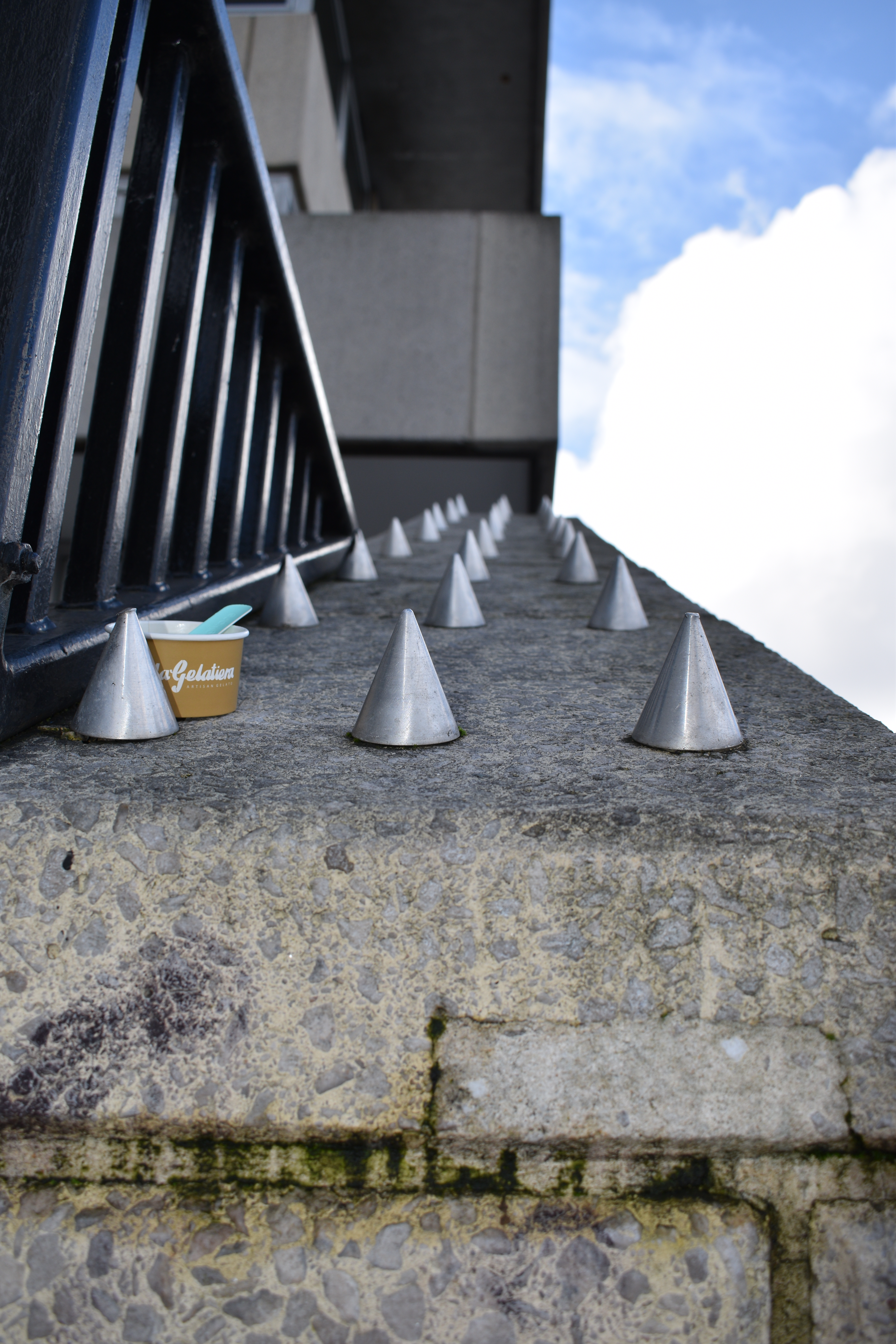
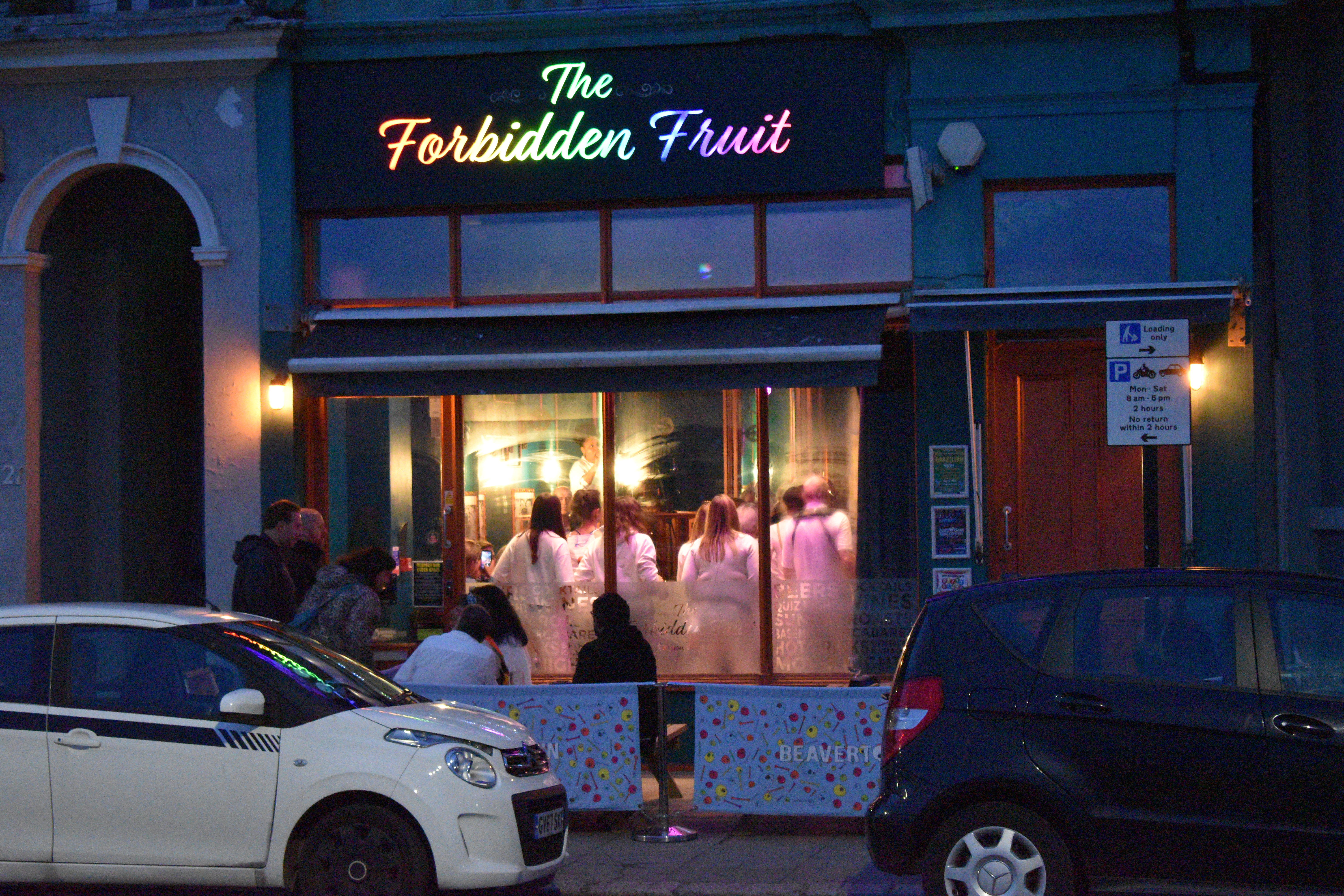
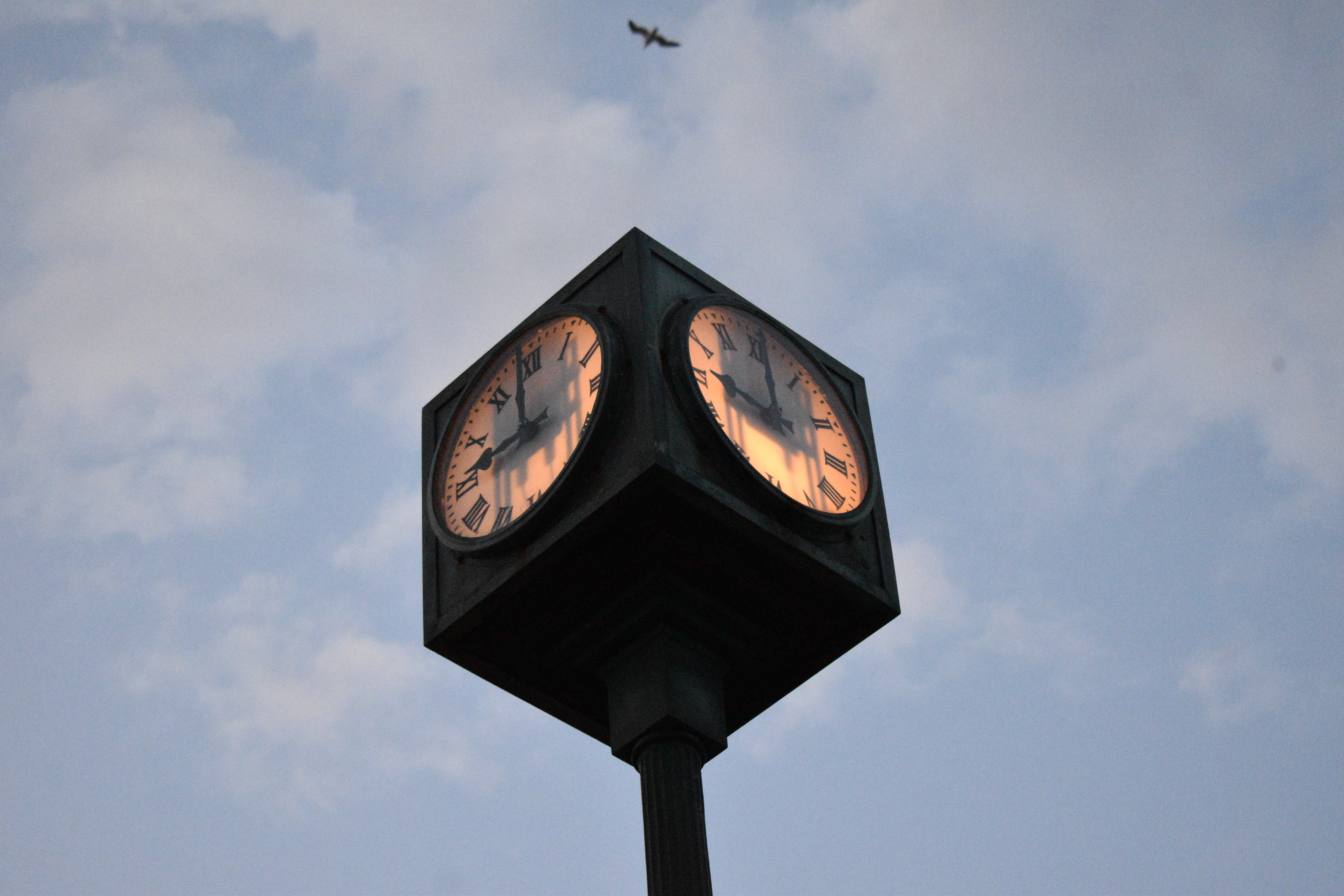
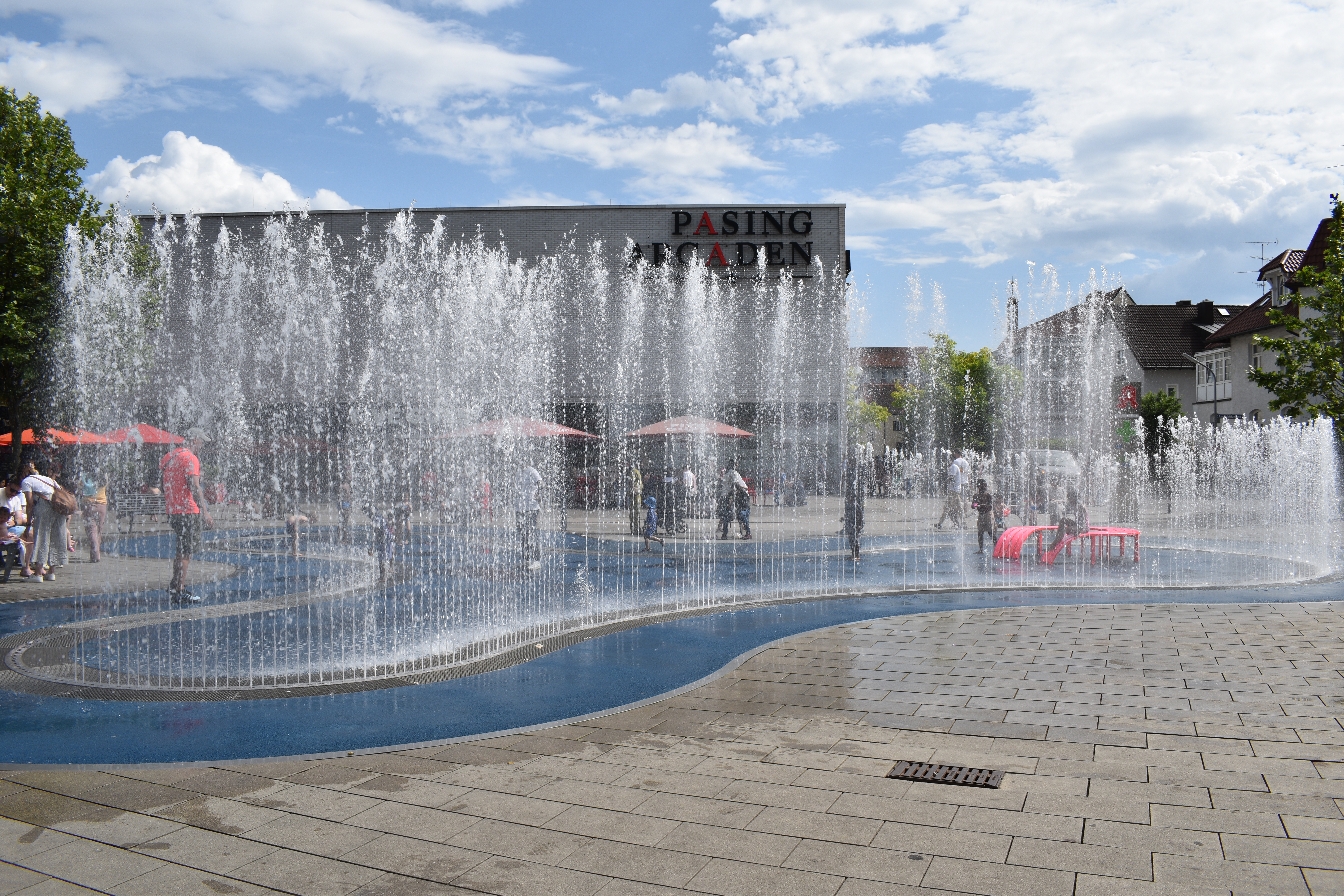
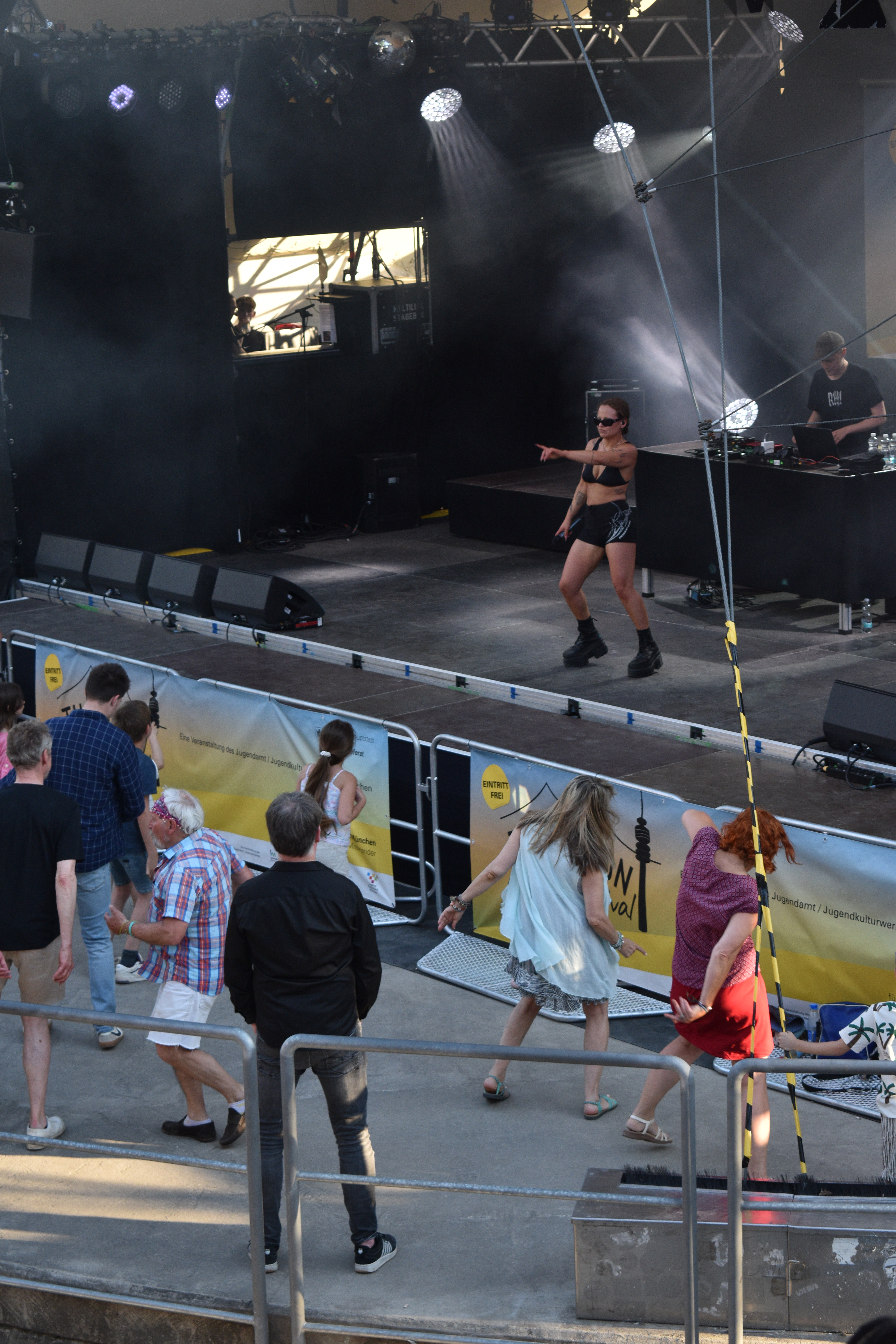
Amateur photographer
Filed under: Art, education, Photography, Travel | Tags: Brecon Beacons, Humber Bridge construction, Northern College, UEA, university education
Leave a comment 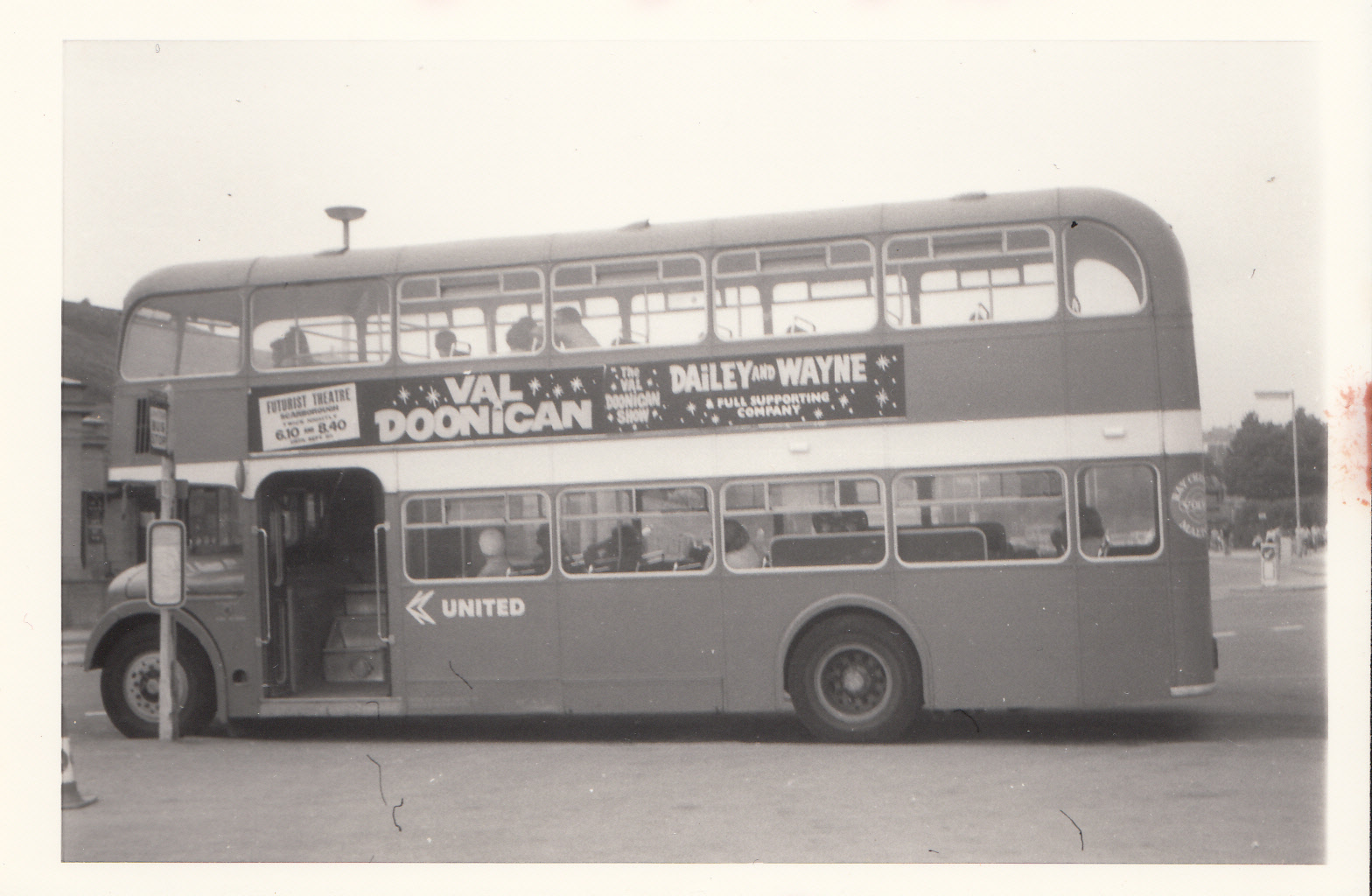
I probably once aspired to be a good amateur photographer. I remember using my first camera (though I cannot remember what it was) given to me by my father when I was about 10. Roll film was expensive and developing even more. So I did not take too many pictures. But the ones I did reflect something about who I was going to be. For example, I took a picture of a Bristol Lodekker in Scarborough. It can be dated by the advertising – Val Doonican and Dailey and Wayne to 1976 (I was 12 years old). I was fascinated by buses. Actually, I was fascinated by bus systems (I learnt to read the 24-hour clock from a bus timetable).
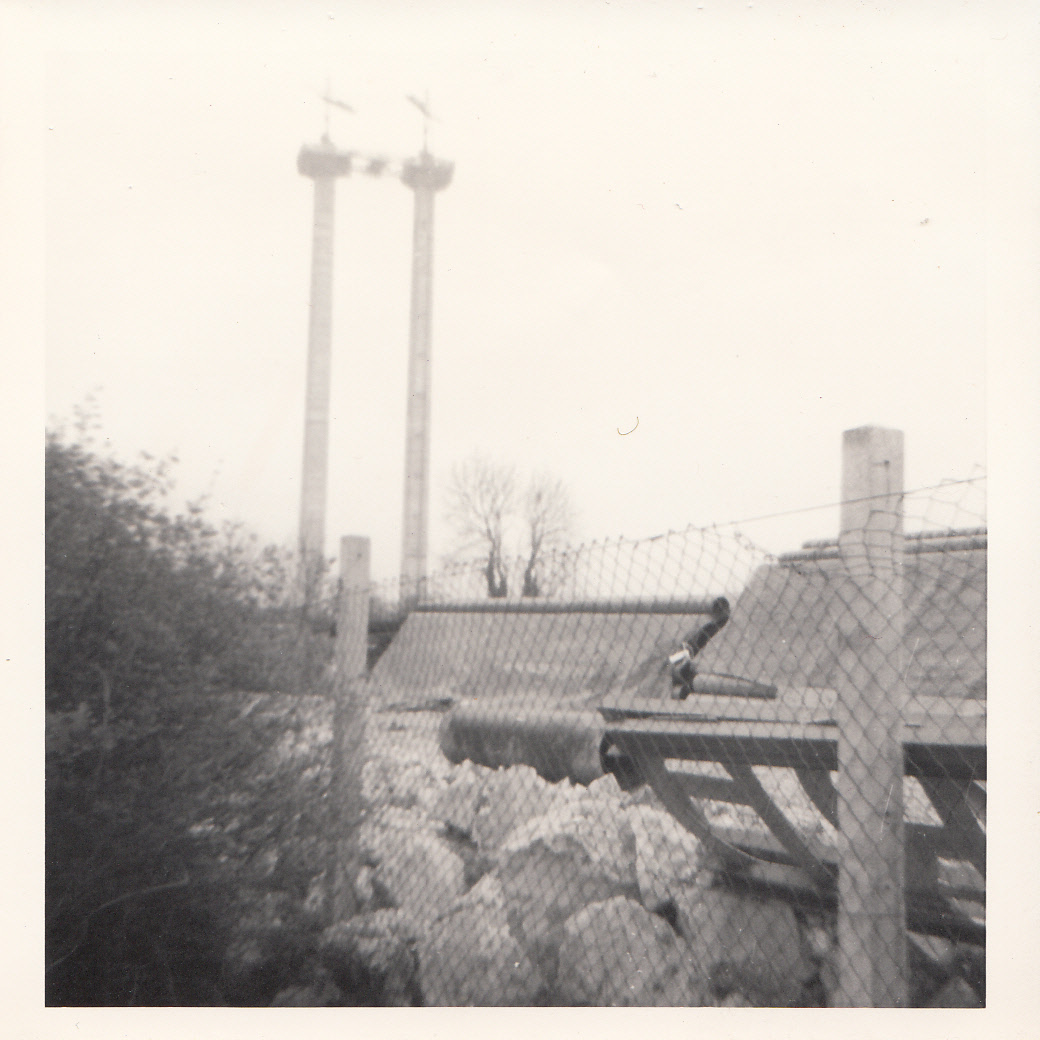
I do wish that I had taken more photographs of my eras. To the right is an incidental picture of the building of the Humber Bridge. This is the tower on the north side of the estuary being erected. It is the only one I have of the actual construction.
I have a raft of pictures of my youth. My time campaigning against animal suffering. These were taken in the days before social media and surveillance. I will not share these pictures; none depict activities that might be seen as unlawful. They are of demonstrations, meetings and social events. But I would not subject my friends and comrades to exposure, however long ago events.
In that period I used a Praktika PLC3 SLR. Praktikas were heavy had 42mm threads. They were not state-of-the-art. Whilst I drooled over Canon and Olympus SLRs, I went for a Praktika because it was not a Japanese brand. At the time I was traumatised by whaling – and the Japanese were some of the worst offenders. It was a protest (though endorsing the GDR at the time was perhaps not any better ethically).
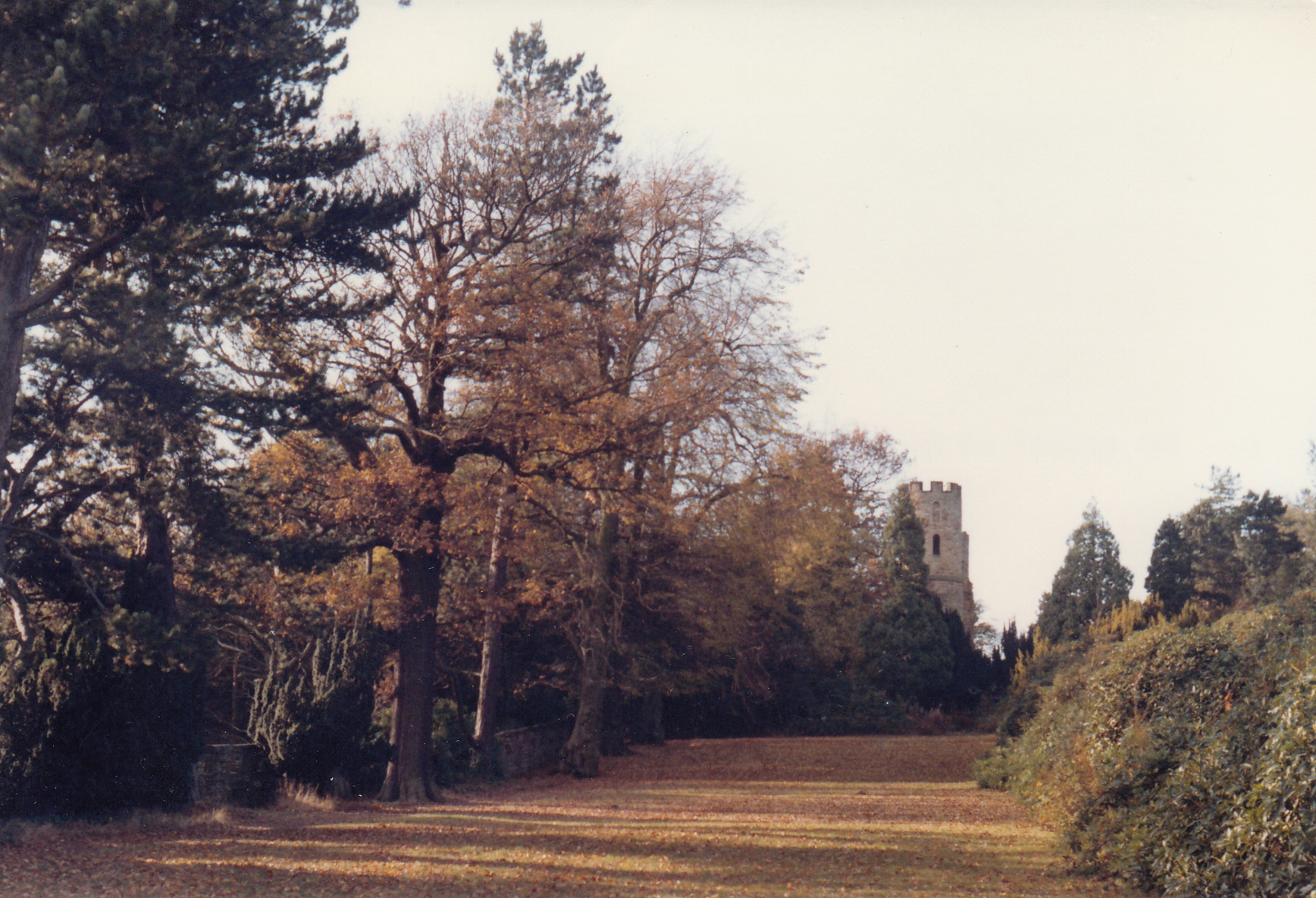
I left it all behind and went back into education. With no A-Levels and I went to Northern College in Barnsley on a scholarship from my trade union, ASTMS (Association of Scientific, Technical and Managerial Staffs). It was a 2-year residential based in a stately home in a valley looking over the M1. It represents a time of great happiness for me – the freedom to study and to be confronted by my arrogance, naïveté and immaturity. The grounds were awesome. The castle in the background is simply a folly. More importantly, just the concept of a 2-year residential studying labour and trade union history blows my mind.
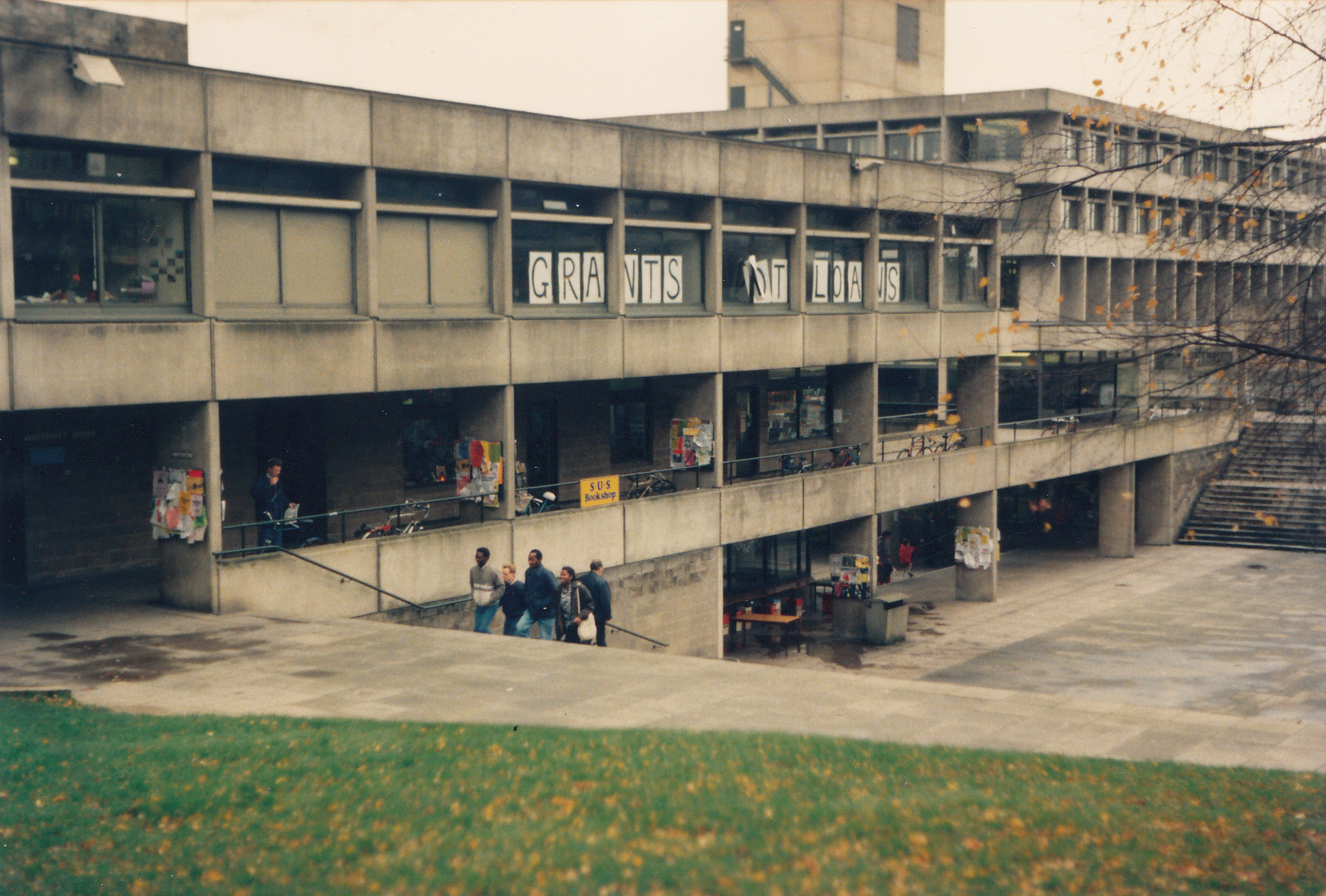
I then went unplanned to Norwich UEA. A brutalist concrete monstrosity. Which I love it for. I spent so much time in the library (which can be seen in the background of this campus square photo). It is autumn 1989. It is a time of student resistance to loans. I now work in a university – I could not have imagined that in 1989. My belief in the value of a university education independent of career opportunities so demanded by governments and policymakers is deeply embedded. It changed my life. It should be allowed to do so for young people today.
After completing my BA, I stayed in Norwich and endured 2 years of unemployment punctuated by life modelling at the nearby art college. That was a dare by a friend who was – and hopefully still is – a very handsome man. In the end he did not pursue it as a career, unlike me. I learnt a lot doing life modelling about how others perceive us/me. Being a life model is tough. Physically. It provided me with some self-confidence and willingness to use my body in protest and for art. For example, I participated in a naked protest against the Iraq War. I was also one of Spencer Tunick’s models when he did one of his famous shots in London in 2003.
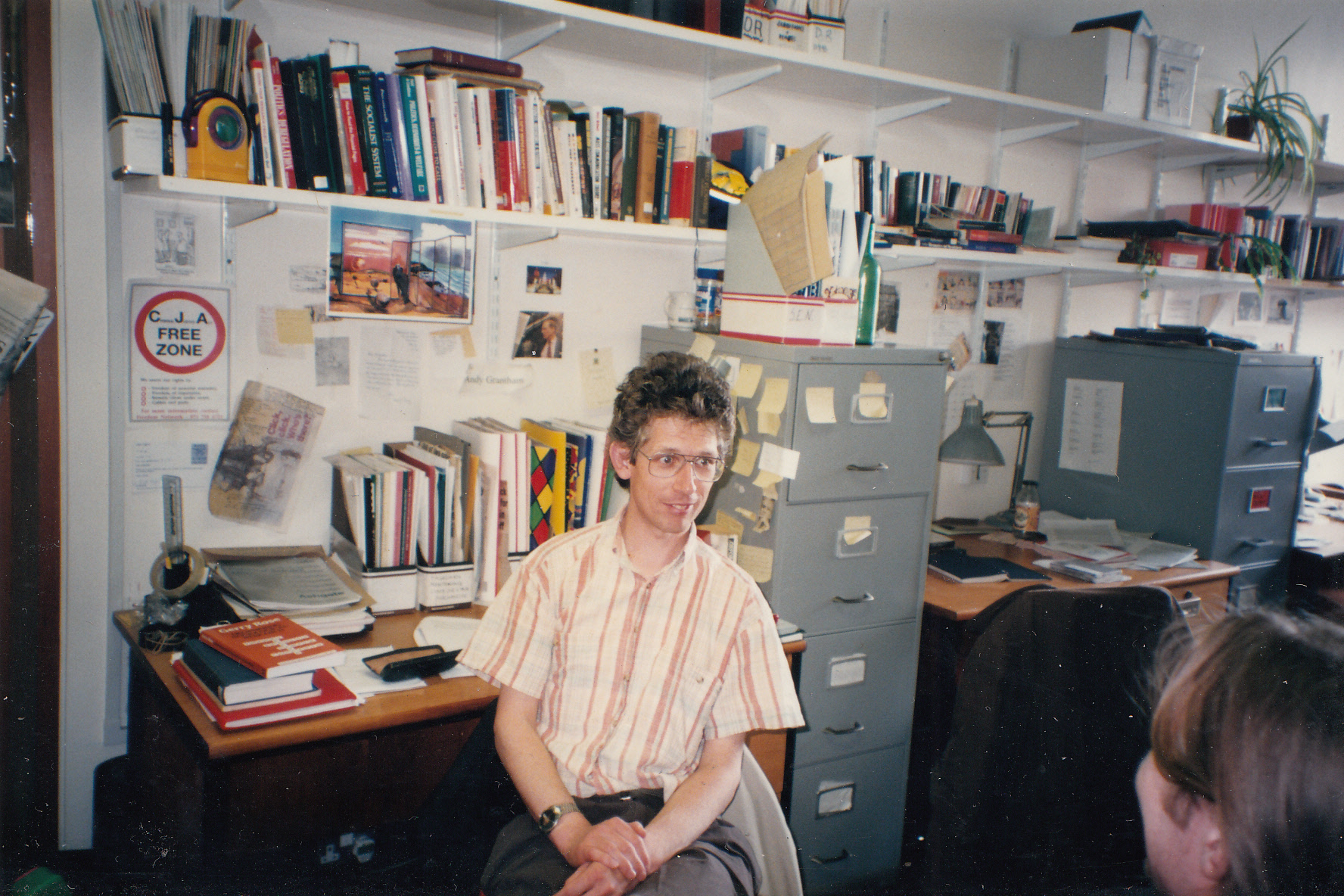
And then on to my PhD studies. This was pre-digital study. No PC. Lots of books and newspaper subscriptions. The newspapers would arrive 2 or 3 days after publication. I needed the Glasgow Herald for my case study. The CJA poster on the wall belies my ongoing life of demonstration. The Criminal Justice Act was an affront to freedom of expression.
Nevertheless, I felt so privileged to have a desk and access whenever I wanted. It was great. Style-wise, I did not have very much. Most of the time I was in jogging pants. In this picture (probably 1996) I was half decent. During this period I met a number of people who became close friends and others, whom I am no longer in touch with, but who showed me kindness and offered support. Again to maintain discreetness, the names are not for sharing. With one friend I shared a number of long-weekend adventures in national parks. We stayed in youth hostels, prepared gourmet meals in the evening and critiqued books afterwards, often to the chagrin of other hostellers. On the books, we agreed to read Penguin classics, partly because they were cheap (a mere
£1) and also because…well…they were classics.
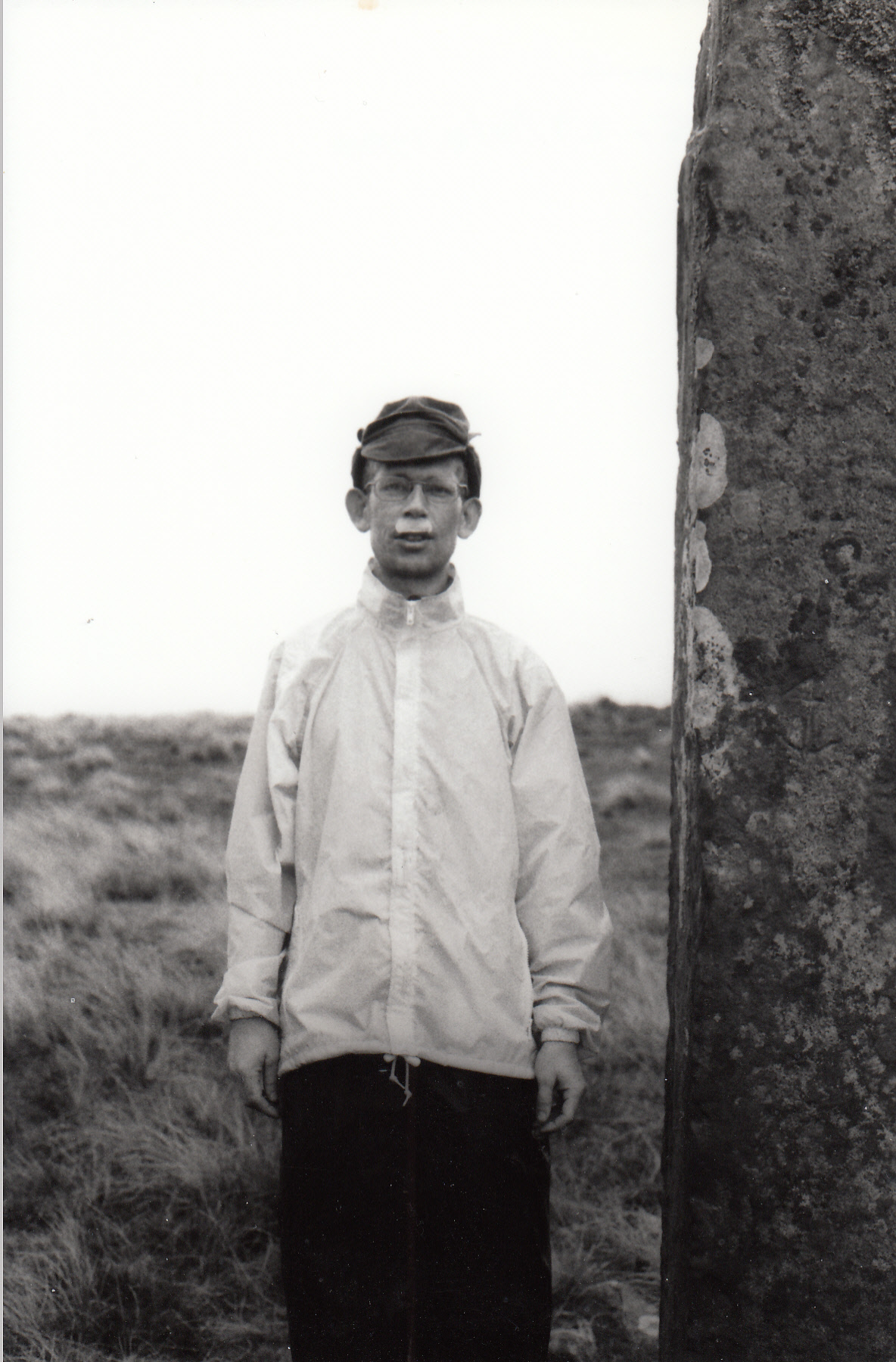
On one of our trips to the Brecon Beacons the weather was awful. Towards the end of our first day I slipped on a rock and went head-first into a stream that had become a torrent. I split my lip very badly. My companion did her best to stick the broken bits together again as I had flatly refused to go to A&E. We never visited Wales again.
Burtynsky – Extraction/Abstraction (Saatchi Gallery, April 2024)
Filed under: Environment, Photography | Tags: Burtynsky, Saatchi Gallery
Comments (1) I am not a little impressed by photographers that work at scale. I have been the subject of one such photographer, Spencer Tunick, in London. His subjects were always without clothes. It was late April 2003. There were thousands of us. It was quite an experience. And for the exhibitionists amongst us, it was possible to visit the adjacent Saatchi Gallery (then in the old County Hall building) before re-robing.
Then there is the wife-and-husband couple of Hilla and Bernd Becher who spent their careers taking black and white photographs of industrial sites and machinery such as mines, steel plants, water towers, etc. I suppose what really impressed me was the fact that they hit on recording something that I, as a child, thought would be there forever and they, not being children, knew they would not. Hence I regret not taking more photographs of buses, trains and shops in my home town when I was growing up. But there you go.
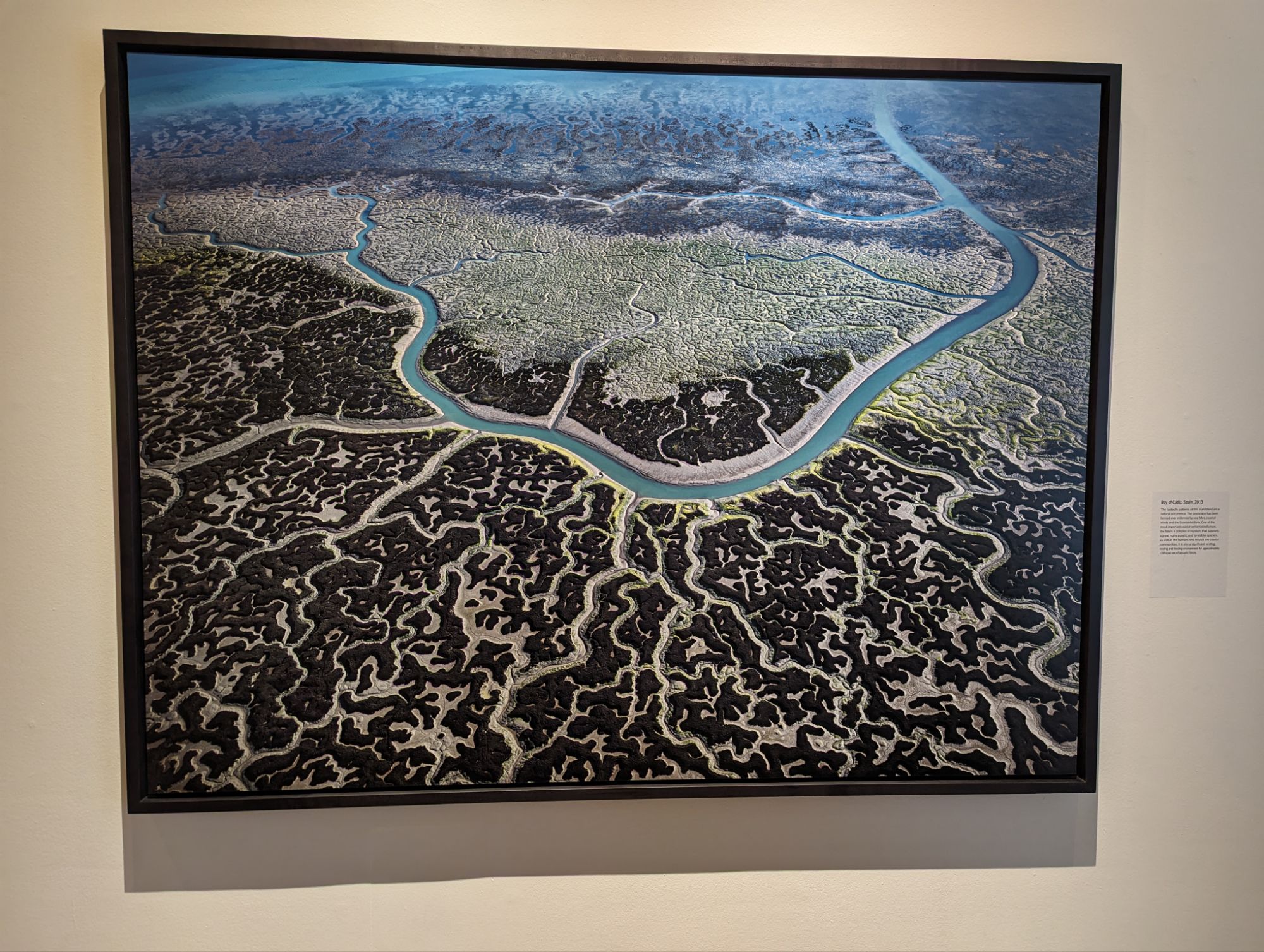
And then there is American photographer, Edward Burtynsky. His father worked in a steel plant. Burtynsky himself funded his studies by working in that very same plant for a sufficiently long time for him to latch on to the idea that such plants may provide a subject for his photographic career. As it turned out, his most influential work is not the plant itself, rather the extraction of the raw materials that ended up in those plants – iron ore, copper, coal, etc. For that reason, this exhibition was a must (subject to my busy schedule).
I’ve now been and the images are extraordinary. They are presented in very large format and, mostly, as aerial shots, look nothing like what they depict. They come across as abstract art – hence the title of the exhibition. On the whole, however, they are not art, they are a record of environmental destruction. There are a few exceptions where the extraordinary patterns actually record profuse wildlife habits such as the landscape around Cadiz in Southern Spain (above left).
Like most artists Burtynsky has a team working for him. The drone technology he uses relies on an expert to make them fit-for-purpose. For example, high altitude photography creates a challenge to get sufficient lift to get the drone in the air (there is a part of the upstairs gallery that reveal his methods, equipment and projects).

By far the most interesting galleries show the scale of the impacts on the landscape of mining – whether it be the scars of the opencast mines themselves, or the spoil heaps or tailing ponds. With the possible exception of coal, the ores and minerals are not neatly packaged by nature for extraction. They require significant refining, often with toxic chemicals that tend to be dispersed into the natural environment. At scale.
So, anyone with a diamond may well have contributed to the large deposits of “waste” displaced to find diamonds. The picture (above right) is of the Wesselton Diamond Mine, Kimberley, Northern Cape, South Africa (2018). If readers look closely a conveyor belt can be seen on which the tailings are transferred to the pond.

A metal that we hear so much about for the necessary electrification of our world is lithium. There are a number of extraction methods for lithium; however, one mine in the Atacama Desert in Chile (left) pumps up a liquid from beneath a salt flat into ponds. The ponds are exposed to the sun, the liquid evaporates and the lithium carbonate is then harvested, before being processed. And then there’s agriculture.

Do readers ever go to the supermarket and see that broccoli or some other vegetable is from Spain and think, “ah, that’s fine”? Well, maybe it is not fine. Burtynsky shows the true scale of such operations and their impact on the environment (right). The greenhouses on the Almeria Peninsular harvest between 2.5 and 3.5 million tons of fruits and vegetables annually, including “out-of-season”. These greenhouses require huge amounts of precious water along with a heavy use of chemicals. Climate change is making the water situation more difficult.
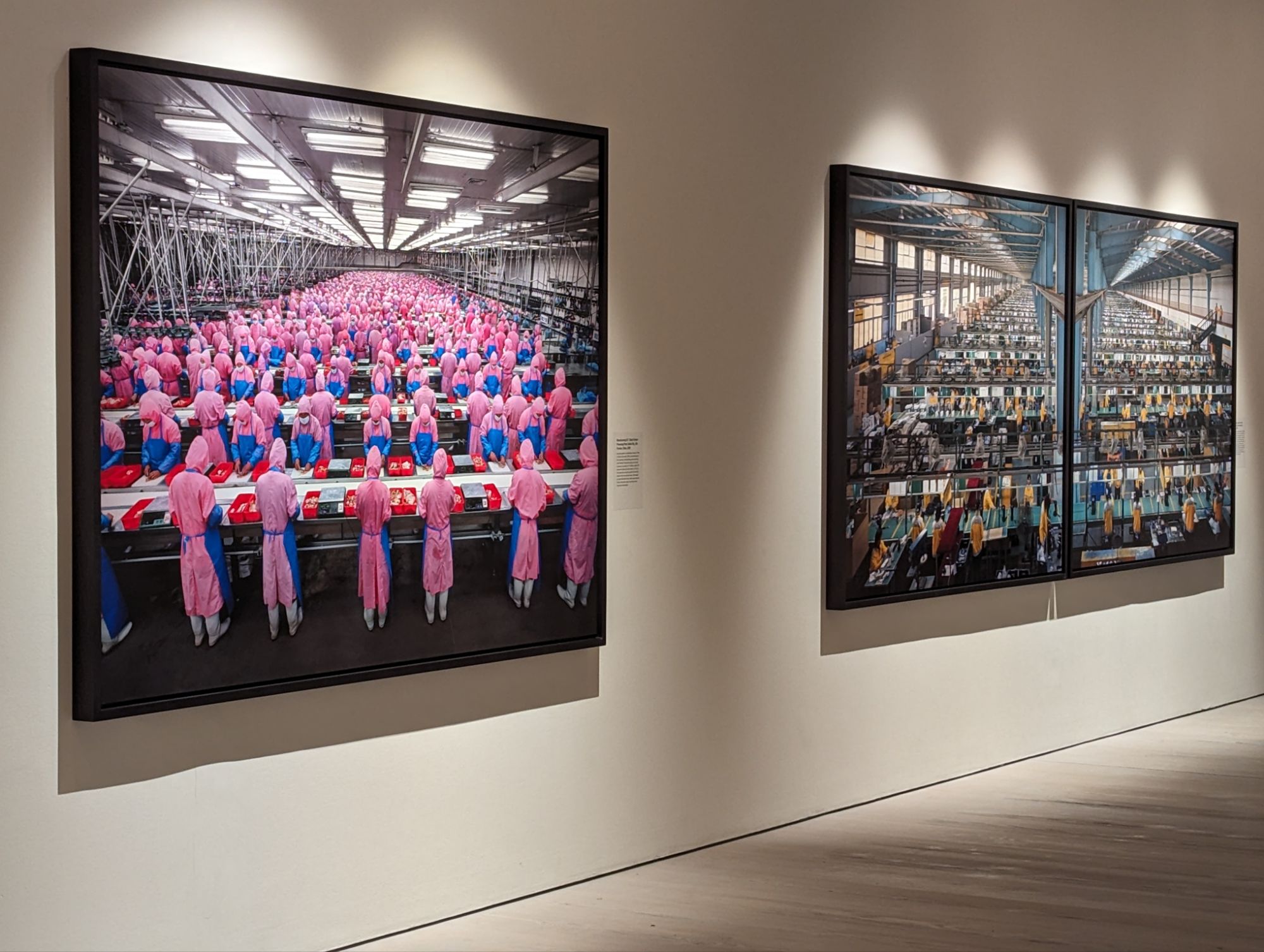
I could go on. I have one last thought. Scale is a problem for us as humans. Burtynsky has taken some revealing pictures of people at work (left) of particular alarm is a picture showing people working in a chicken processing factory in China (everyone wears pink, left). The scale here is twofold really. First, the people. The thought of 8/10 hours per day chopping up chickens is hard to comprehend. We try to present work as something that offers meaning to humans and the opportunity to work with others and exchange ideas, thoughts and stories. There is not much of that going on in this factory. And then there is the chickens. The sheer scale of this one factory tells of the huge number of chickens slaughtered daily to keep these people employed (and presumably fed).
This is an exhibition at scale. Bigger than I thought it would be. It took about 21/2 hours to get through and that included a 30 minute film at scale (worth the visit, for sure). It is thought provoking. There’s a big chalk board to write one’s thoughts – mostly about human stupidity. And then there is a shop in which visitors can contribute to the further exhaustion of finite resources. I had a poster in my hand. And then I put it down and left.
Nothing in this exhibition is human scale. Arguably the Bechers’ work in the 1960s was a little more human scale. Spencer Tunick’s work is by definition human scale.
If readers want to know more about extraction, I suggest Ed Conway’s book, The Material World.
Pillar boxes and buses
On 21 March I uploaded my first pictures from my new project, Pillar Boxes and Buses. So, the challenge is, photograph UK pillar boxes with the added challenge of getting a bus, preferably one that is moving, in the frame, too. My latest reel of film came back today with mixed results. First is a curious box – it is actually embedded into a gatepost of one of the large houses on Marina, in St Leonard’s on Sea, Sussex. Currently there is one bus per hour in each direction on the 99 route. The shot has the added complication of lots of parked cars and scaffolding. The results are not great (right) but I’ll be back with a faster film that should help with the depth of view (50mm lens, 200asa film and shutter speed of 250th sec f11; 2 April 2020 at 1830). The bus is a ADL Enviro200. The Stagecoach Hastings fleet can be found here.
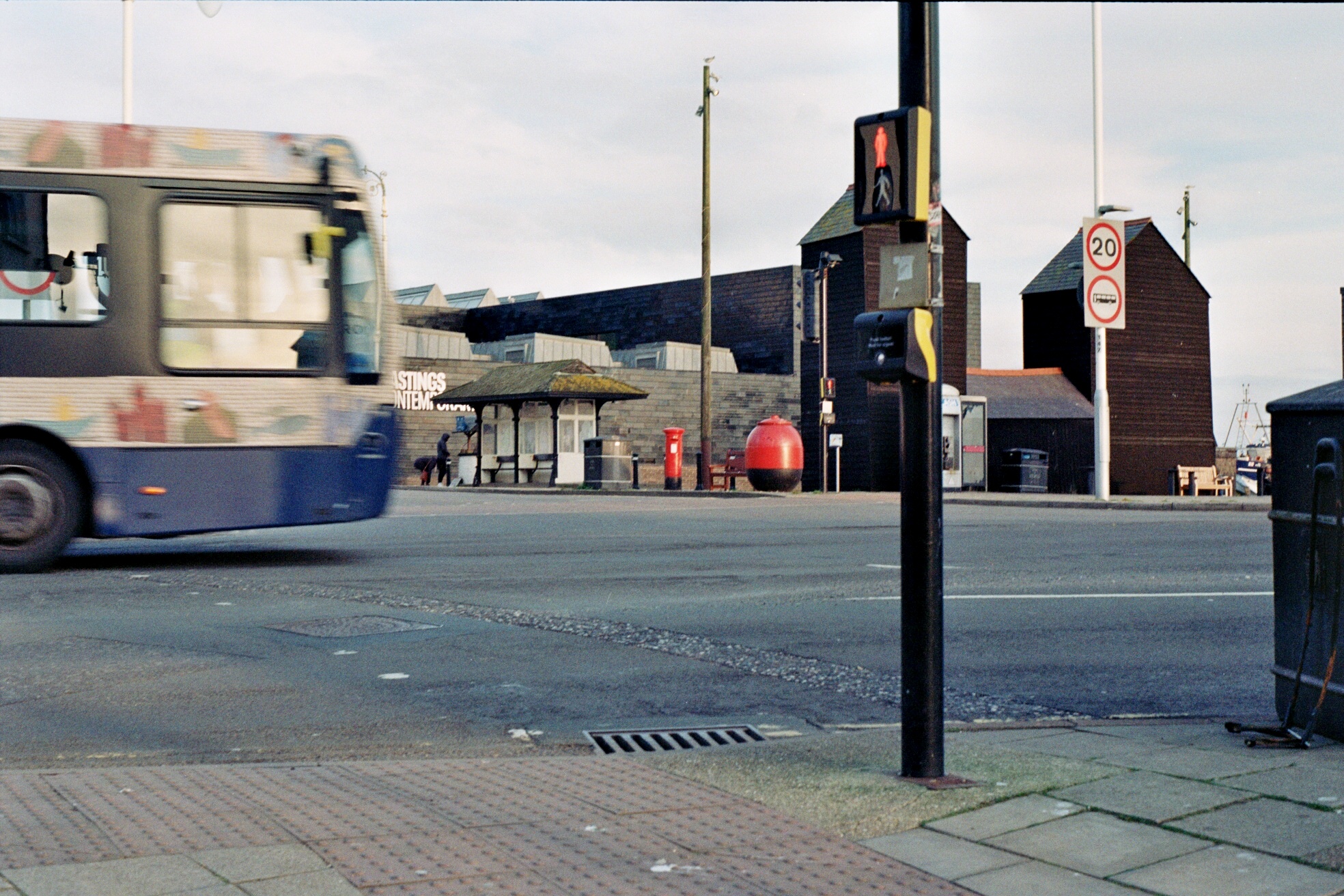 Moving on to Rock-a-nore in Hastings. This one (left) is a free standing GR VI box taken on 21 March in the early evening. There was just not enough light to get the shutter speed fast enough to catch the bus, but actually the motion is quite good. The bus in question was a ADL Enviro200 (Hastings Arrows livery).
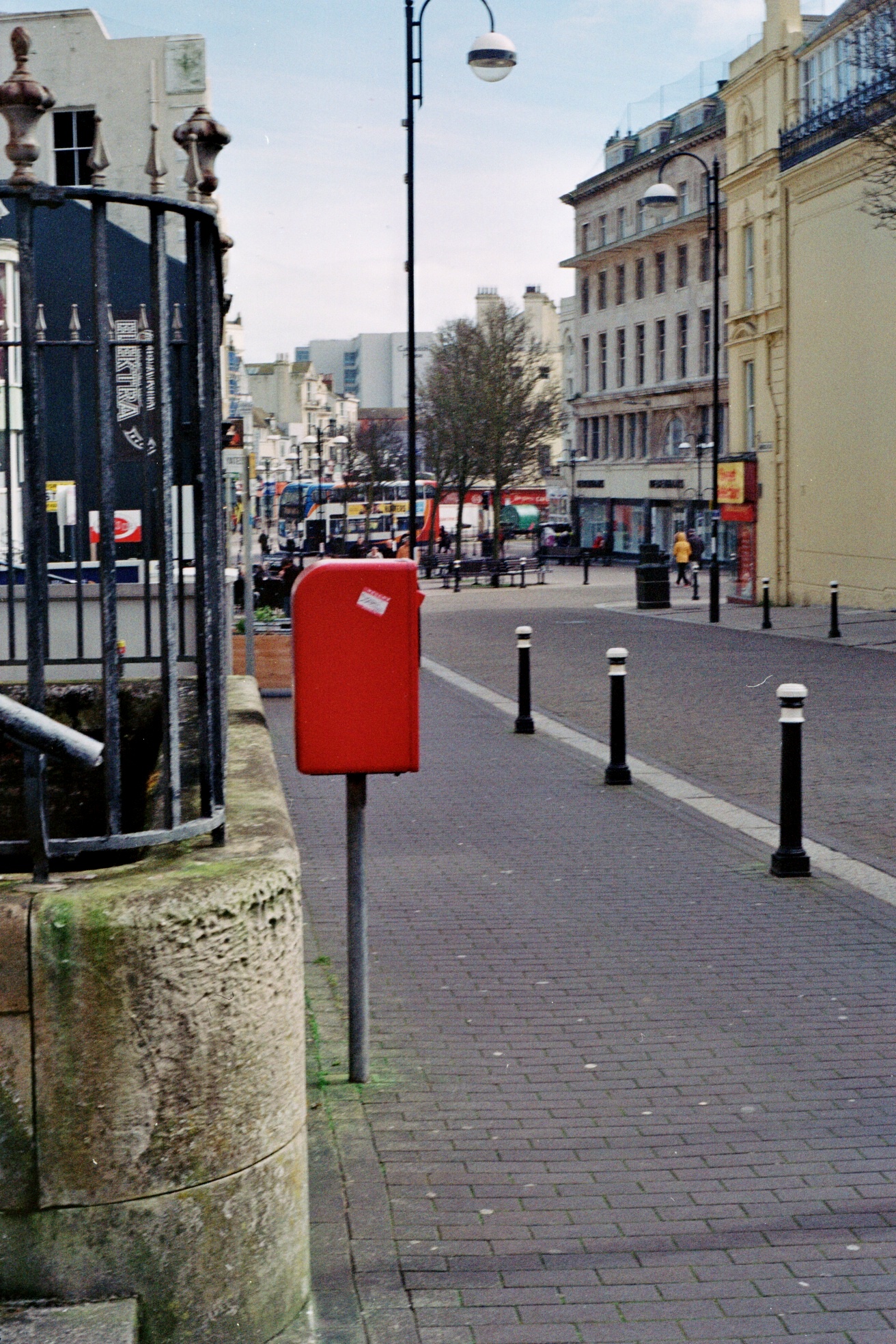
| Then on to a box that has been intriguing me for a few days. It is located on Hastings Road in Bexhill close to the Ravensdale trading estate. What is so wonderful about this box is that at a certain time in the day, the sun illuminates it like a spotlight on a performer in a theatre. So, to do it justice I needed a sunny evening and no one really in the way (it is popular with joggers, though I am not sure why. This effort (top right) dates from 24 April at 1845, again with a shutter speed of 250th second, f11, film speed 200 asa. The two additional shots are taken at the same time on the two subsequent evenings. | 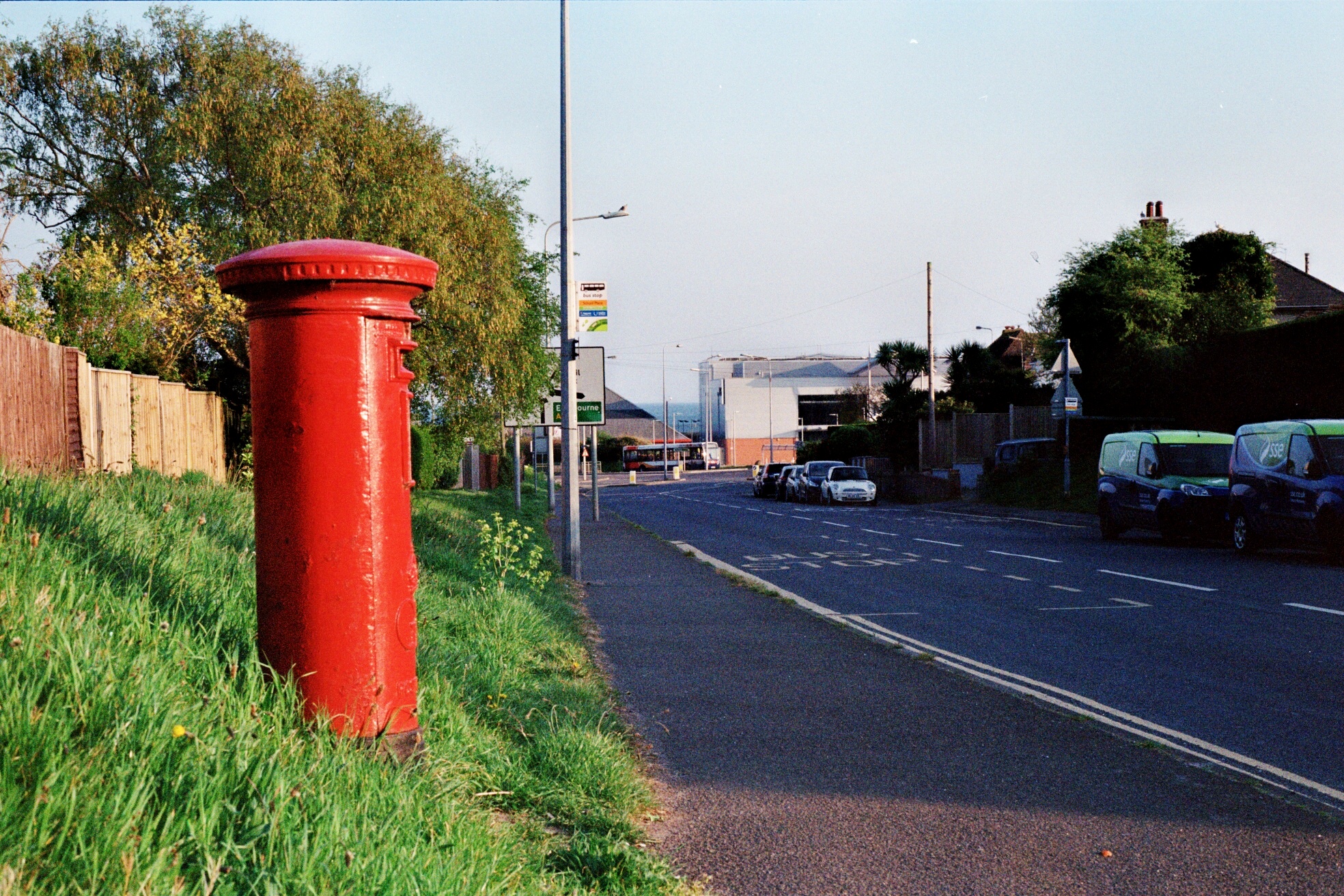 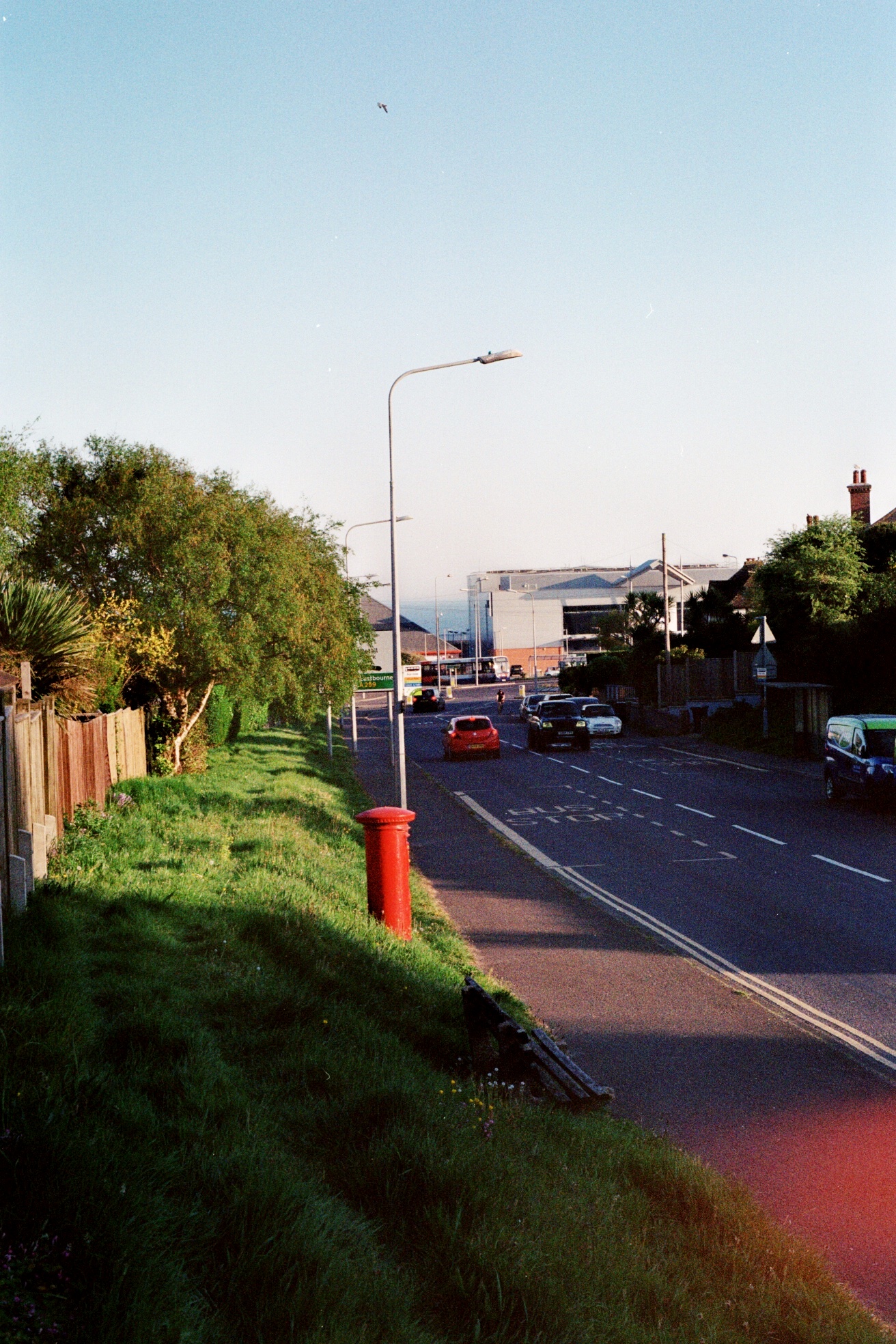  |
 |
Next is me revisiting the relatively small free-standing box outside the now dis-used post office on Cambridge Road in Hastings As noted in my earlier entry in November, it serves as a reminder of how post offices are being assimilated into more traditional retail outlets – for better or worse. Anyway, here it is with a bus in the background which I take to be a Scania N230UD ADL Enviro400! |
| Still in Hastings, this is Queen’s Road, a central loading area opposite Priory Meadow Mall. The box is classic ER Type B. The buses, Scania N230UD ADL Enviro400 (double decker) and ADL Enviro200 (Hastings Arrows livery). | 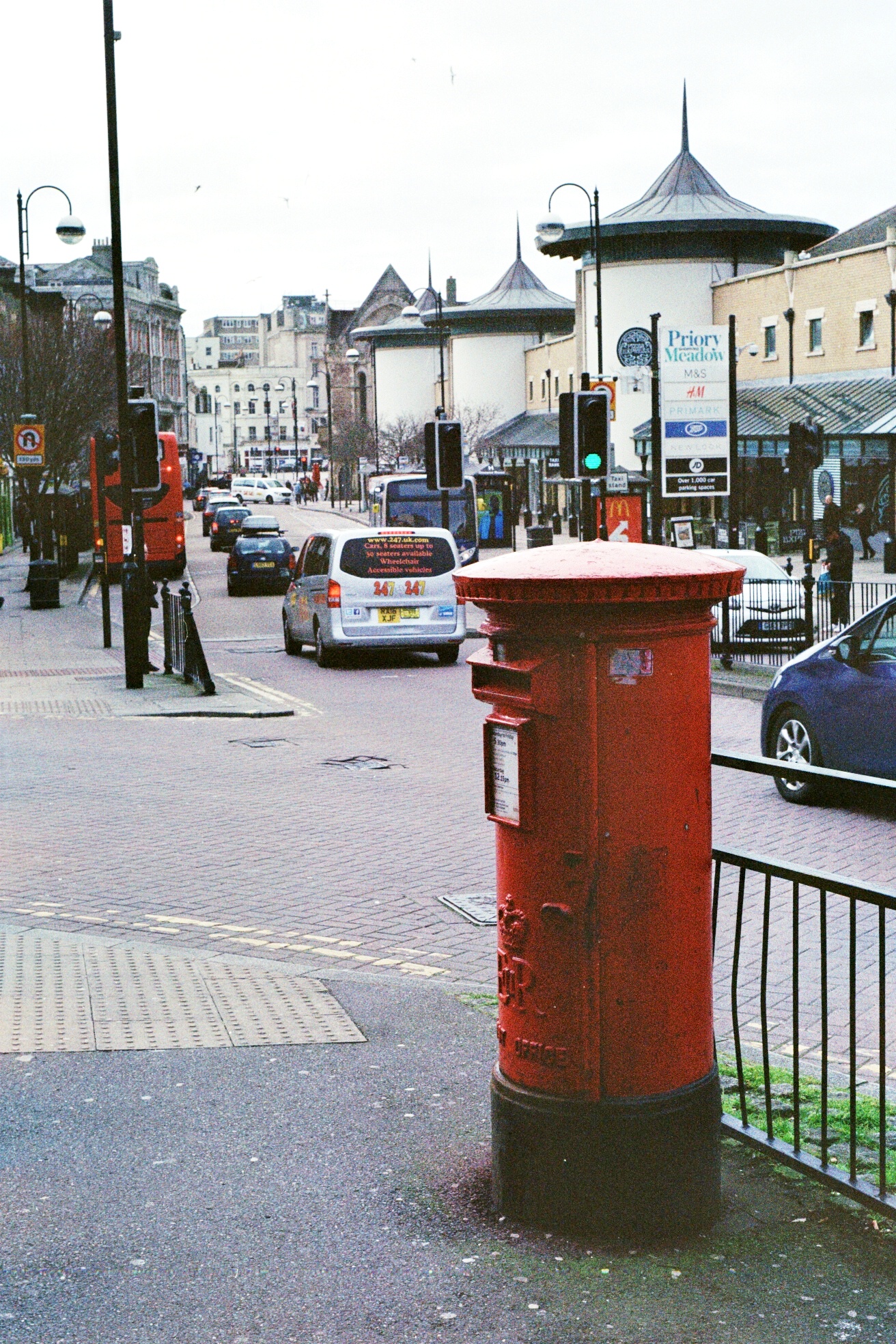 |
 |
I work in Brighton, and the bus-pillar box opportunities there are substantial. This is the Avenue off Lewes Road in the North East of the town. The box is a classic GR example. The bus is a Volvo Wright Gemini B9TL DP43/28F Built 2013. Anyone interested in the B&H fleet should go here. |
I have a bit of research to do on my pillar boxes now. Some have design names, others seem not to. If I am going to do this right, I need to be adequately informed.