Archive for the ‘sustainable-aviation-fuel’ Tag
Michael O’Leary is right and very wrong, mischievously so
Filed under: Uncategorized | Tags: aviation, carbon-emissions, climate change, sustainability, sustainable-aviation-fuel
 Leave a comment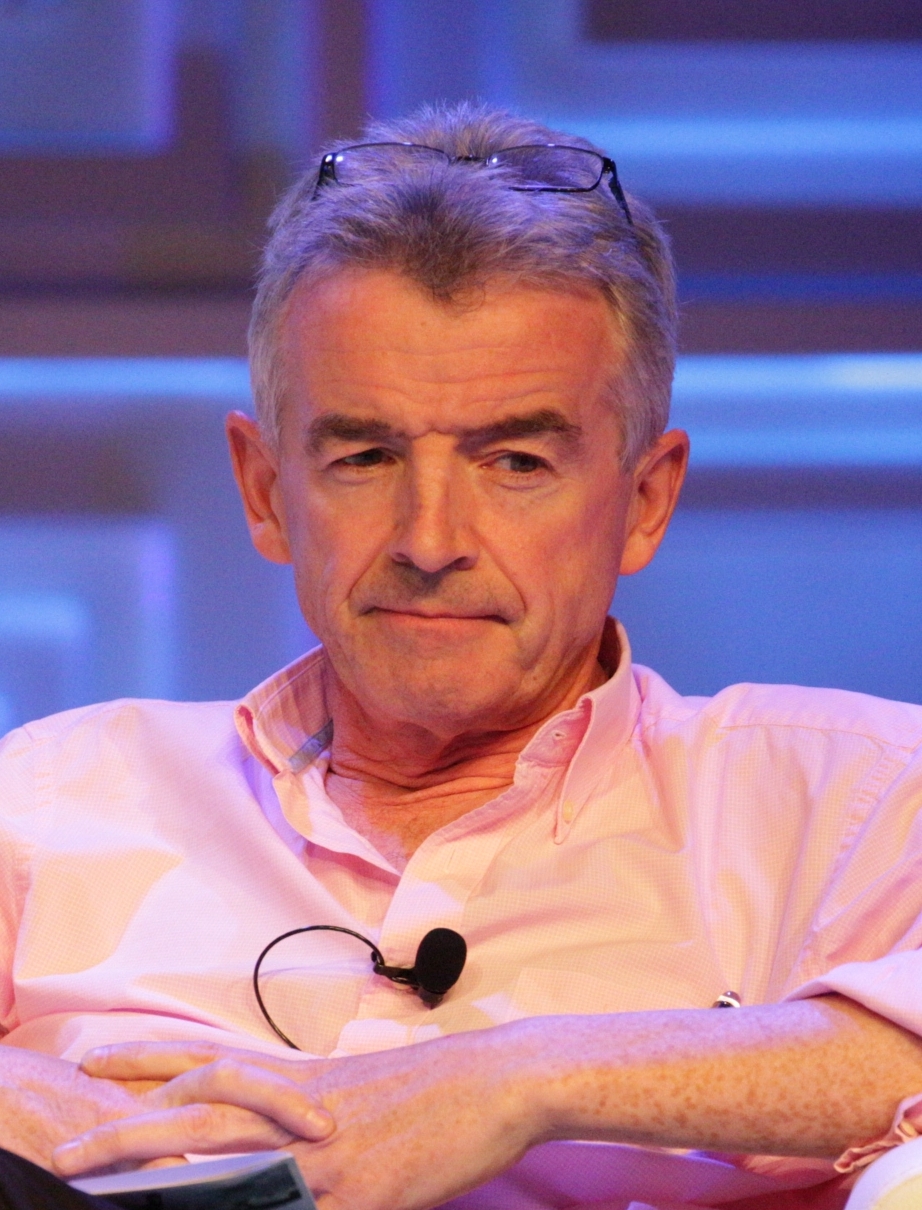
Michael O’Leary (left) is the boss of RyanAir. He has spent much of his life at the helm and took it from limping Irish airline to Europe’s biggest. As he says himself, RyanAir was early into the low cost business after the skies were deregulated and have kept the advantage over rivals. He’s fabulously wealthy off the back of that success.
So, on 26 December 2023 O’Leary proclaims that there is not enough used cooking oil in the world to fuel the world’s airlines for one day, let alone a year. on that he is right. But he has made many other claims that are not defendable with even a cursory analysis. Let’s take them one by one.
O’Leary argues that air travel contributes just 2pc of carbon dioxide. Ships contribute 5pc, but no-one is shouting about global supply chains. Here are 10 points to consider.
- We do not measure greenhouse gases as a percentage, we measure in absolute terms. That 2pc is equivalent to 800 Mt CO2 per year. If we are to get anywhere near even 2 degrees of warming (let alone 1.5 degrees), all GHGs have to be eliminated, Even a fraction of 1pc is too much. In meeting the 1.5 degree Celsius target, the atmosphere can absorb, calculated from the beginning of 2020, no more than 400 gigatonnes (Gt) of CO2. Annual emissions of CO2 are estimated to be 42.2 Gt per year, the equivalent of 1,337 tonnes per second (https://www.mcc-berlin.net/en/research/co2-budget.html). At this rate, at the time of writing, we have 23 years before that budget is used up at current levels, but we have seen clearly how projections are changing – climate change is happening faster than expected. The models are being revised. And we continue to grow demand for fossil fuels whilst destroying carbon sinks such as oceans, forests, bogs, etc. For something most of us do not need, flying is disproportionately expensive in terms of carbon budgets.
- Whilst O’Leary might say that 2pc is not much, carbon emissions overall have doubled since the mid-1980s. Aviation has just kept up with the average increase in emissions across the board. Absolute emissions from aviation are increasing.
- Carbon generated by aeroplanes is not the same as that emitted by land-based activities. Indeed, if we consider aviation’s full impact it is more like 3.5pc. Aviation emits other greenhouse gases, and the release of water vapour at altitude significantly increases its warming impact. Accounting for this, its contribution increases by around 70%.
- CO2 emissions arising from aviation are not globally fair (equitable). It is the relatively rich who fly. 1 per cent emit half of GHG emission from aviation. Business class is more carbon intensive than economy. Private jets…let’s not go there. Most people on the planet have never flown (estimated between 80 to 90pc) and have not contributed to aviation-generated carbon emissions. Put another way, only 5pc of people fly in any one year (less than that for international travel). The average air traveller takes just over 5 flights per year (1).
- We do not adequately count all emissions. Domestic flights are ok – they are factored into national emission-counting, but international/long haul belong to no one (though airlines to count them). Incentives are not in place to reduce emissions from long-haul flights. This we must get to grips with, but recent stunts like those from Branson do not help.
- O’Leary seeks to distract attention – forget aviation, much better and easier to electrify cars and vehicles. Vehicular emissions are 20pc of the total with cars alone producing 3bn Mt CO2e annually. Another diversion – Air Traffic Control – if they could be more efficient there would be no need to spend hours circuling airports in stacks (the fact that there may be too many planes in the air is not considered).
- There is the technological fix – O’Leary has them all up his sleave. Seemingly he is “generally a believer that technology and human ingenuity will overcome climate change”. He goes on “I have no doubt that we will not decarbonise because we tax people more” So belief will get us there; though at this point in time, there are no viable electric planes in sight. Or any other fuels, for that matter.
- O’Leary argues that “[p]eople will absolutely not stop flying because of concerns about climate change”. This may, of course be true, but that is why we have Governments, regulations and tax to provide the incentives. What O’Leary is doing at RyanAir is expand capacity with the purchase of new fuel-efficienter aircraft. But they are not sustainable.
- So. let us look at the low cost base and the subsidies airlines get to maintain them. Fuel (tax) is a huge subsidy not open to land-based services. Some old data – but in 2012 the lack of tax on fuel amounted to an annual subsidy of £5.7bn. No VAT on tickets add 4bn to the total. In the UK, the Government actually reduced air passenger duty on domestic flights. Seemingly there is another £200m subsidy to the industry. And then there is the infrastructure provided by the state such as roads and rail links. Did Heathrow really need a fourth rail link to the airport with CrossRail?
- And on ships, there is a lot of discussion both amongst engineers, campaigners and industry about decarbonisation. Try these:
Pictures:
Michael O’Leary, World Travel & Tourism Council
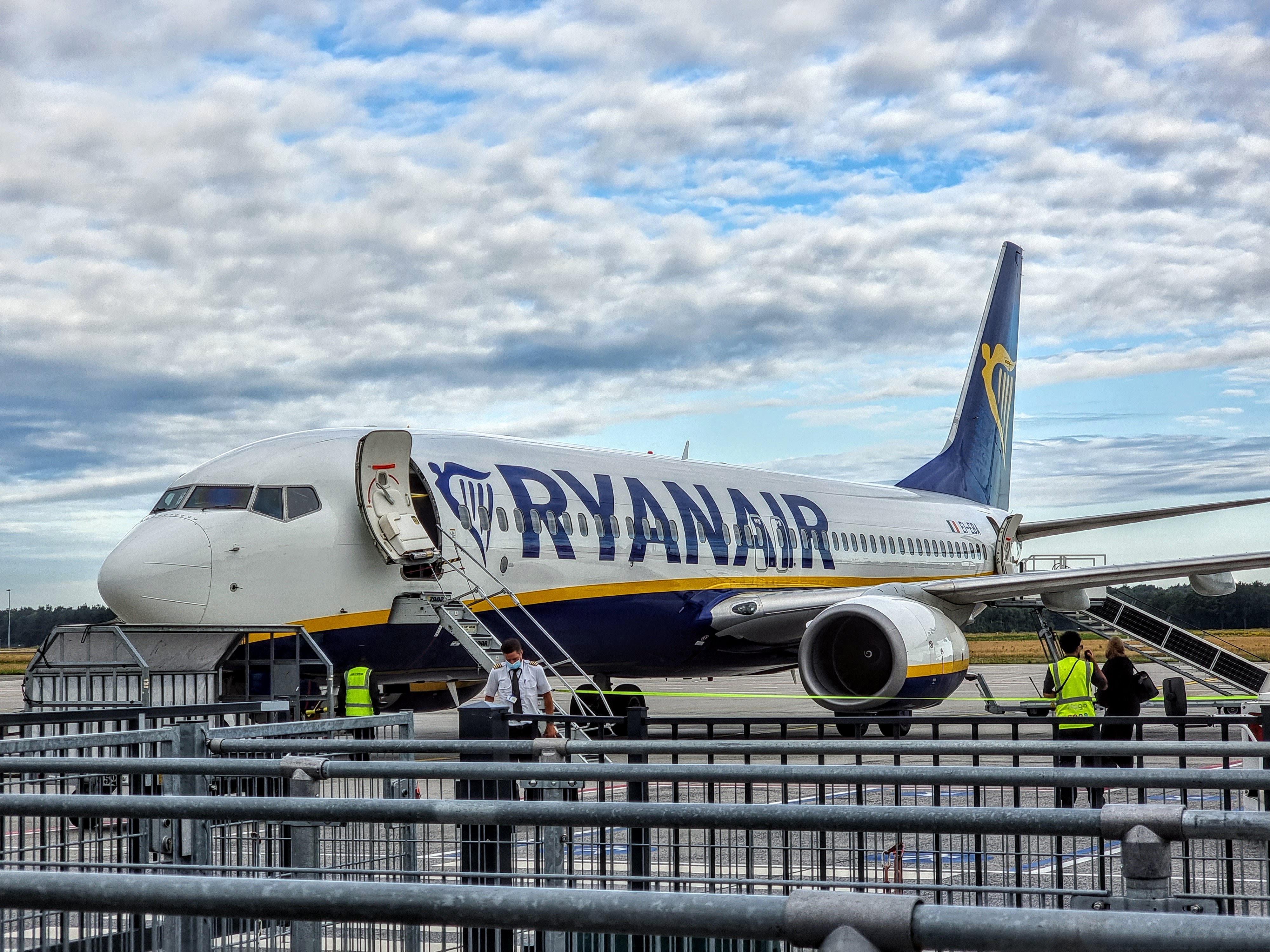
RyanAir Boeing 737, By Dylaaann – Own work, CC BY-SA 4.0, https://commons.wikimedia.org/w/index.php?curid=114958876
References:
(1) Stefan Gössling, Andreas Humpe, The global scale, distribution and growth of aviation: Implications for climate change, Global Environmental Change, Volume 65, 2020;
 Be informed