Archive for January, 2018|Monthly archive page
JPS identity crisis
Filed under: Cigarette advertising, Uncategorized | Tags: JPS
 Leave a comment
 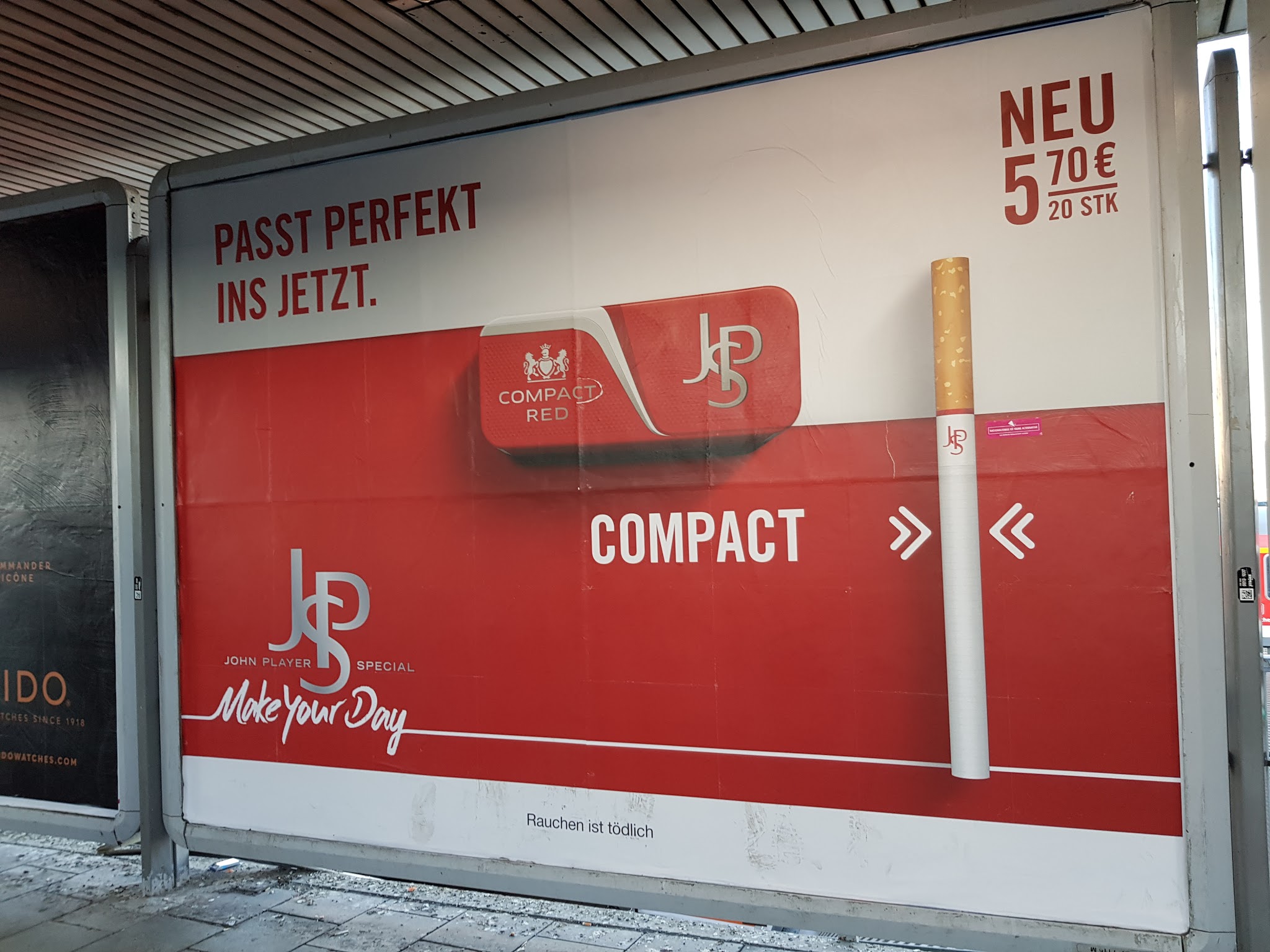 John Player Special is trying to knock us over with its striking new campaign, Make your Day. There’s a lot of red. It is supposed to “fit in”, as the strapline indicates. Because it is compact! What is a compact cigarette? More tobacco? If so, the bit they do have to put on the poster “Rauchen ist tödlich” is as fitting as ever. Deadly.
Gauloises’ winter season continues
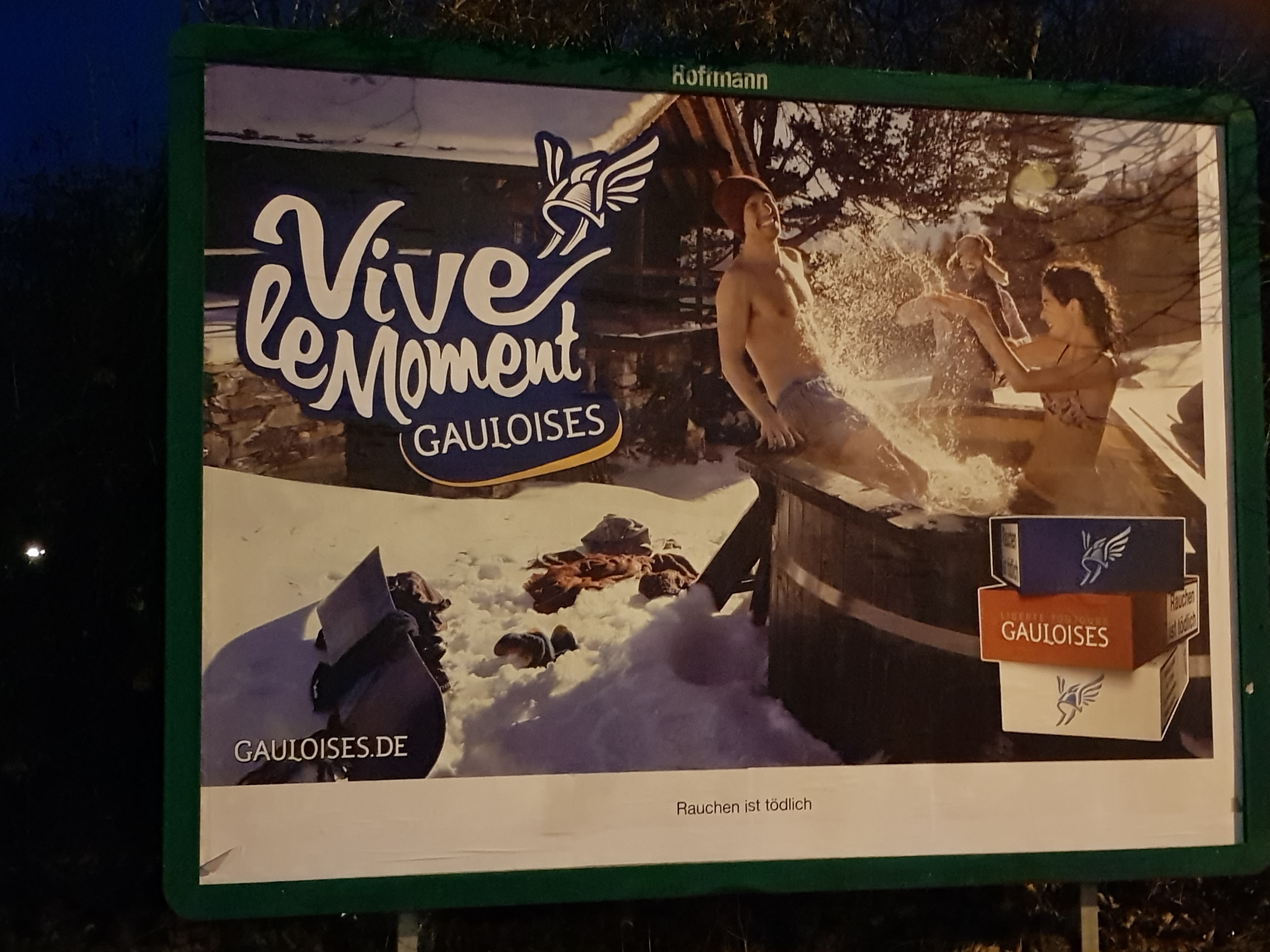 Gauloises’ Vive le Moment campaign sticks with the winter theme and young people being naked in the snow. This time it looks like a hot tub in the garden with the clothes carelessly discarded on the wet snow. For some reason, there is no catchy strapline (I suppose it is cheaper that way?), the picture says it all!
Seville in December – Museo de Belles Artes
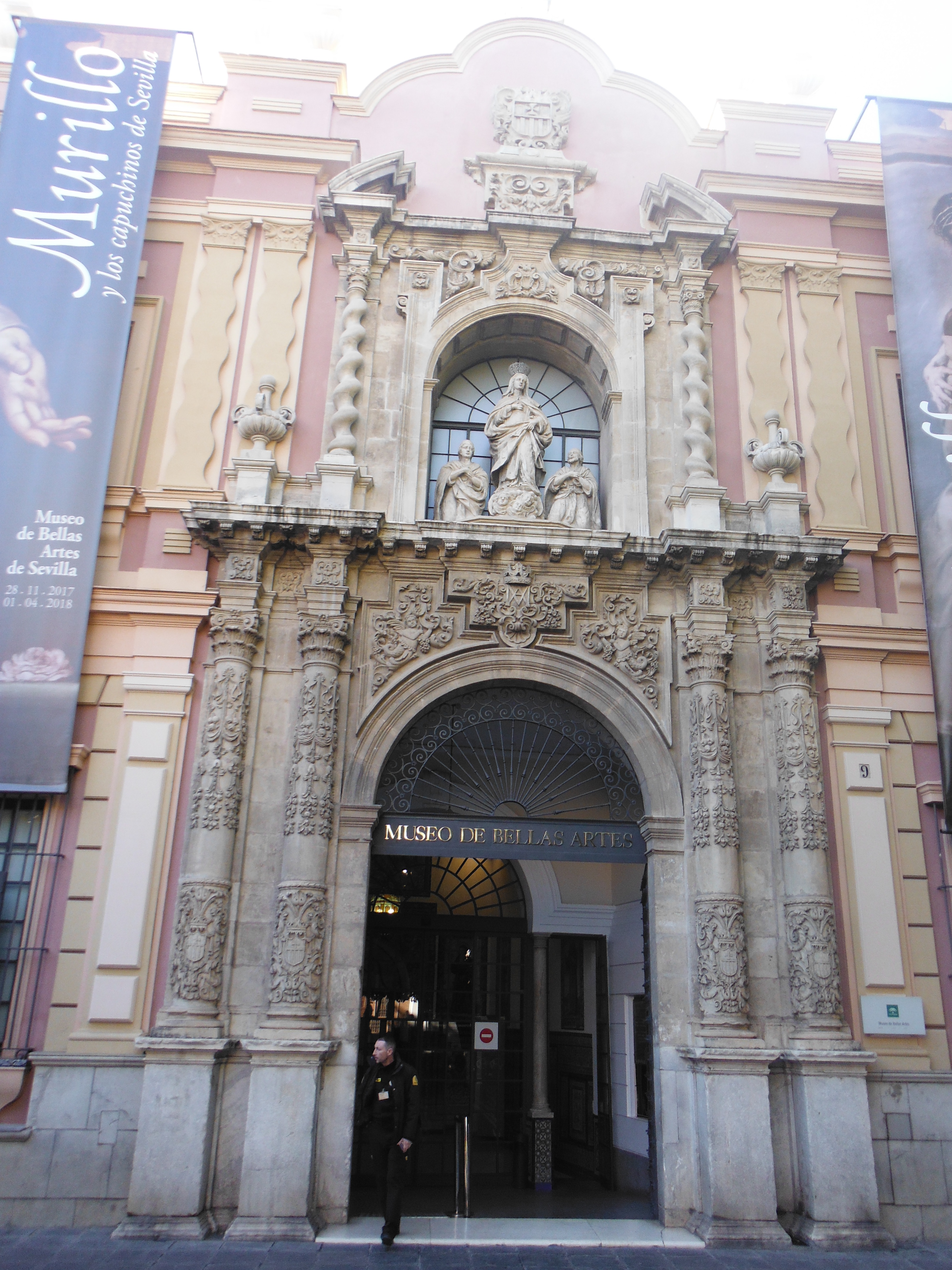 Take your passport for free entry into this wonderful example of a city gallery celebrating the work of its sons, if not artist daughters.
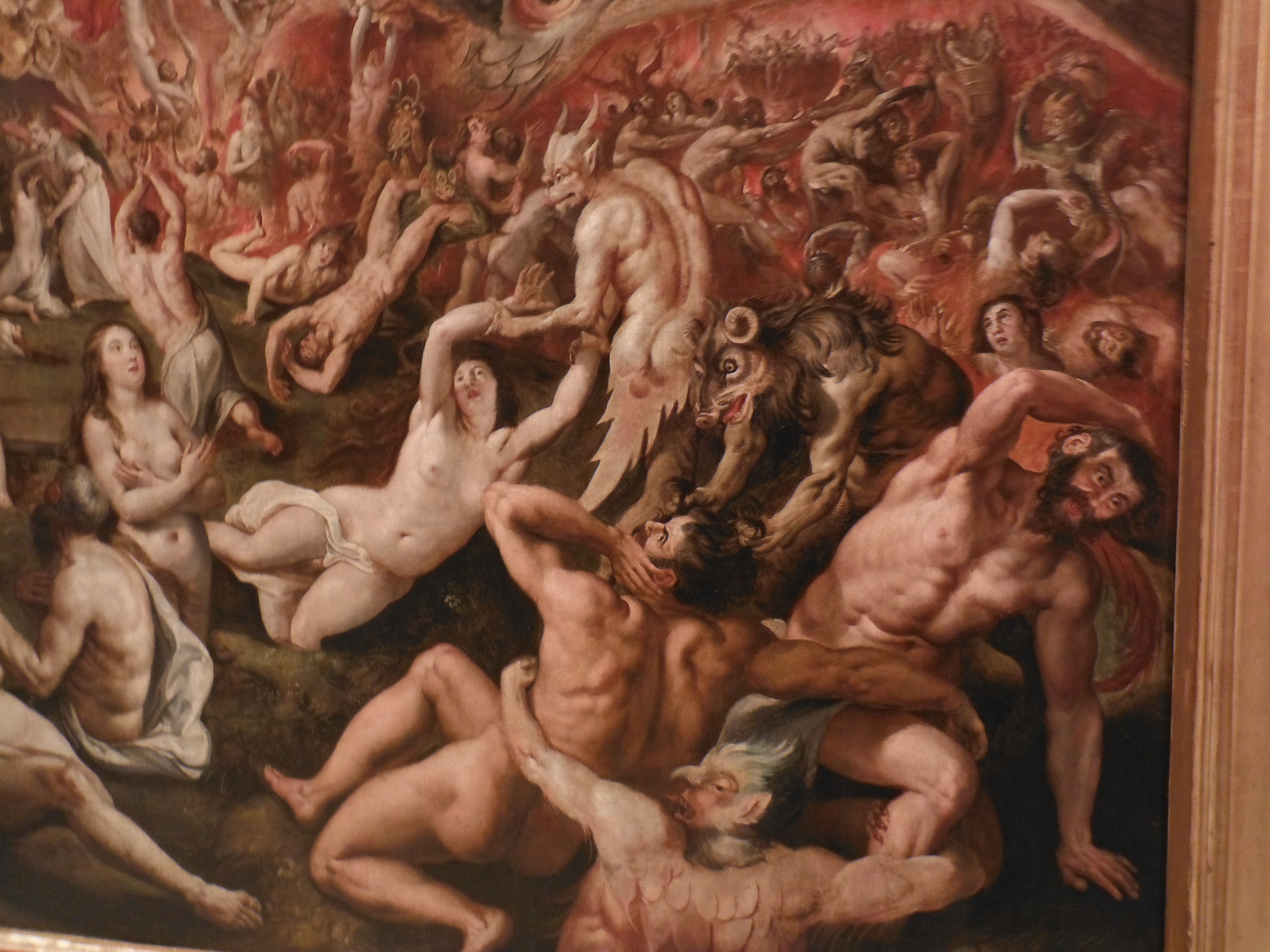
 Last Judgment (1570), has some pretty nasty ones dragging the sinners to their eternal damnation (right).
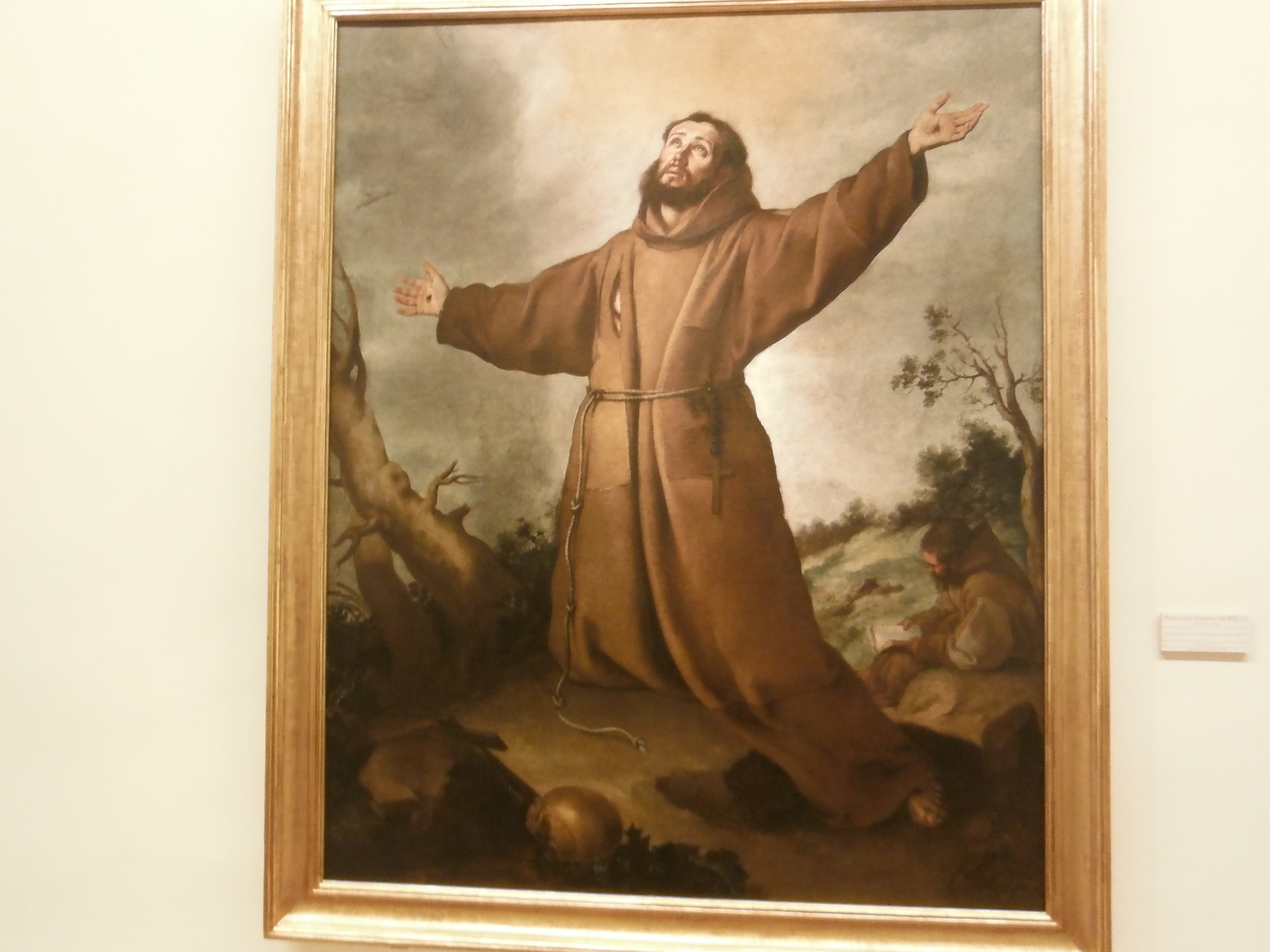 There is a lot of St Francis of Assissi going on in this gallery. For example, Bartolomé Esteban Murillo’s Stigmatisation of St Francis (left) dating from c1645. More of Murillo’s wonderful work was in a special gallery where no cameras were allowed.
 e lived in the 4th century. She is called a martyr of the Diocletianic Persecution.
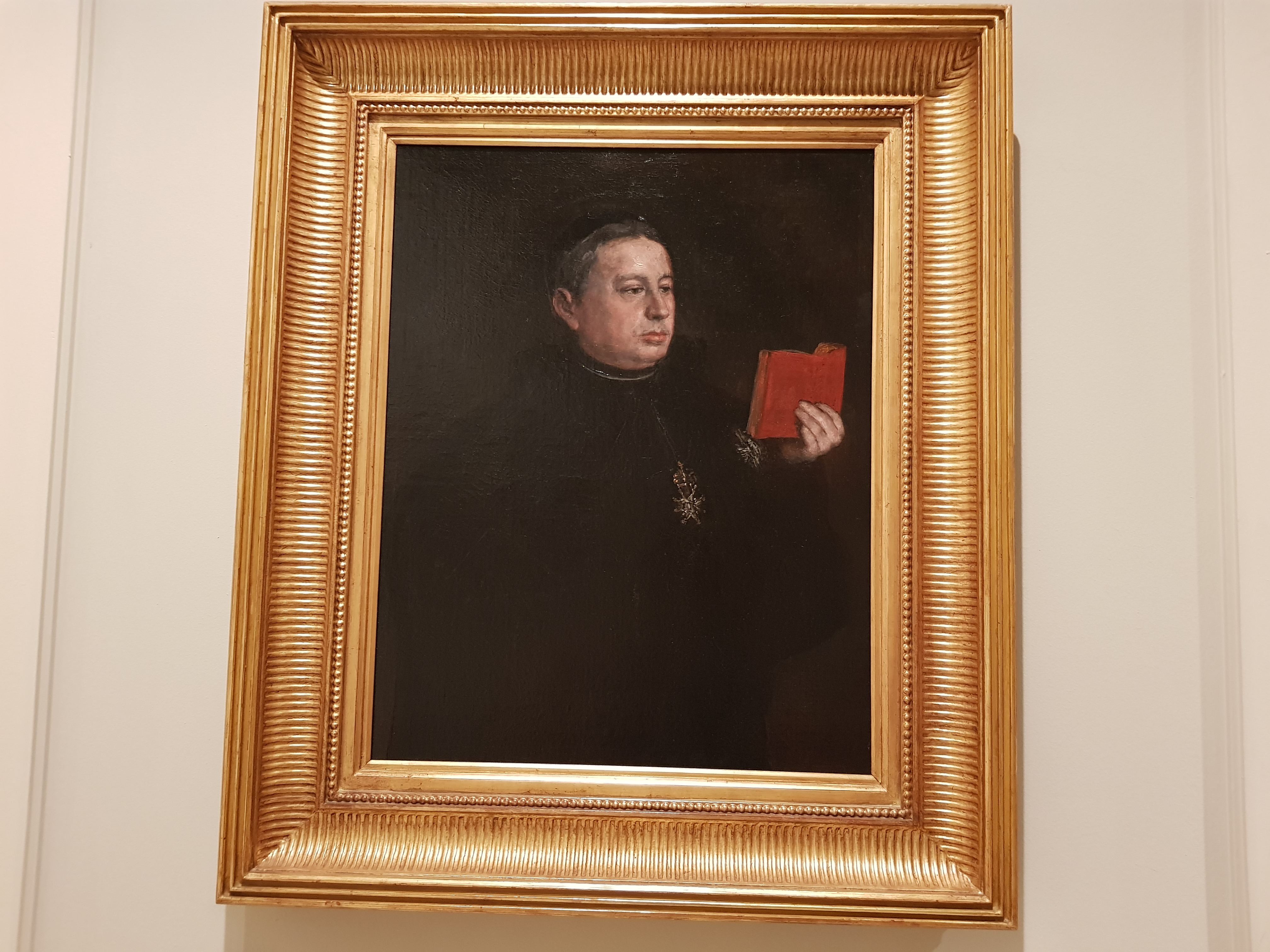 Francisoco de Goya y Lucientes finds a place in this gallery as well as the cathedral. In the gallery, one finds his dark portraiture; for example, that of Canon José Duaso y Lastre (1824, left). This is the precursor to Goya’s black paintings, and you can see why.
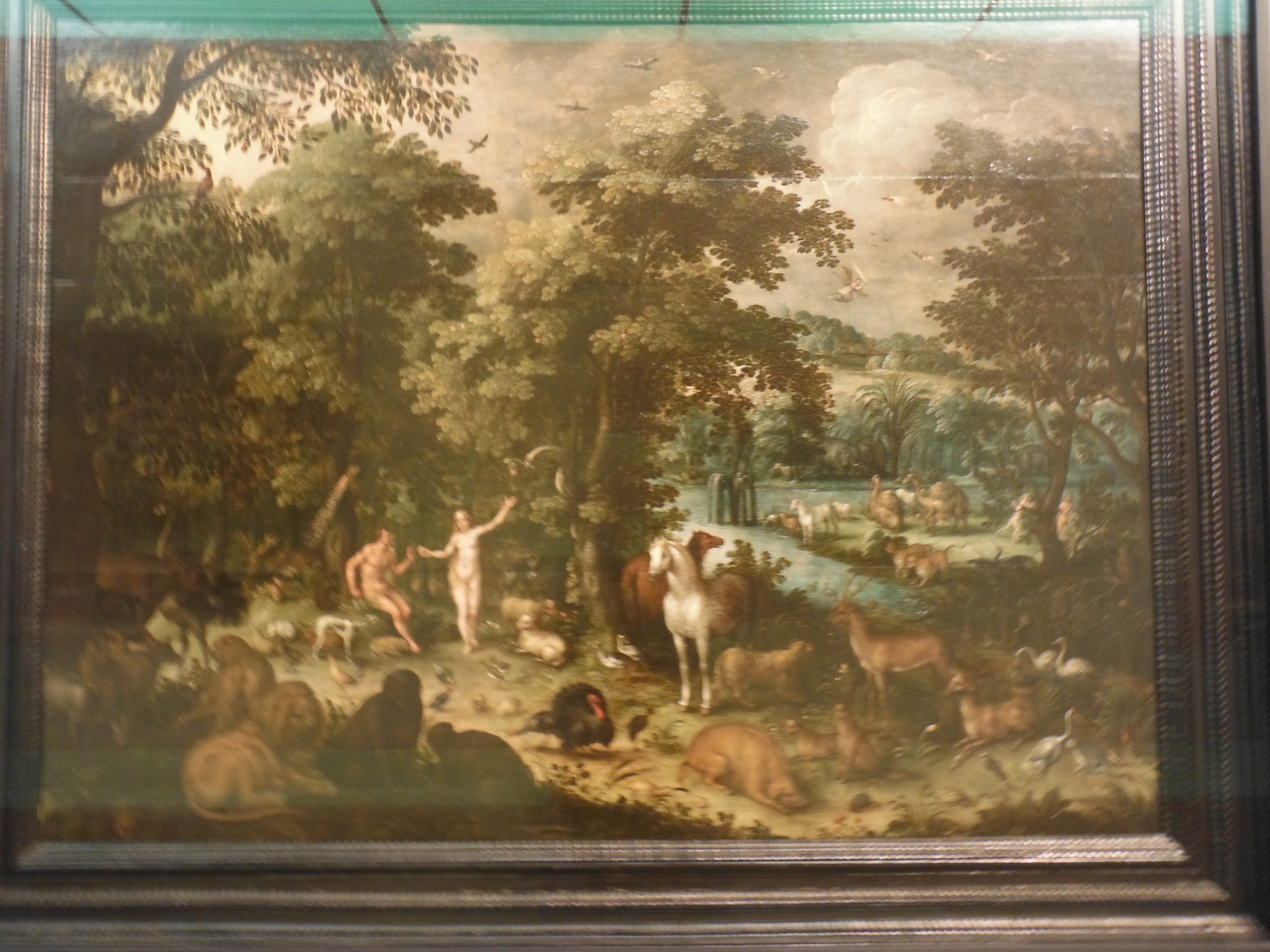 So, back to the Flemish artists, Jan Brueghel’s depiction of paradise with its paired animals, verdant backdrops and the odd naked Adam and Eve (right) delights in its detail and idealism.
 jor cavasses representing street scenes in Venice. Clearly important for the city but not necessarily for art. Though Martínez was very much a student of Murillo and the depictions are rare examples of secular art of the time.
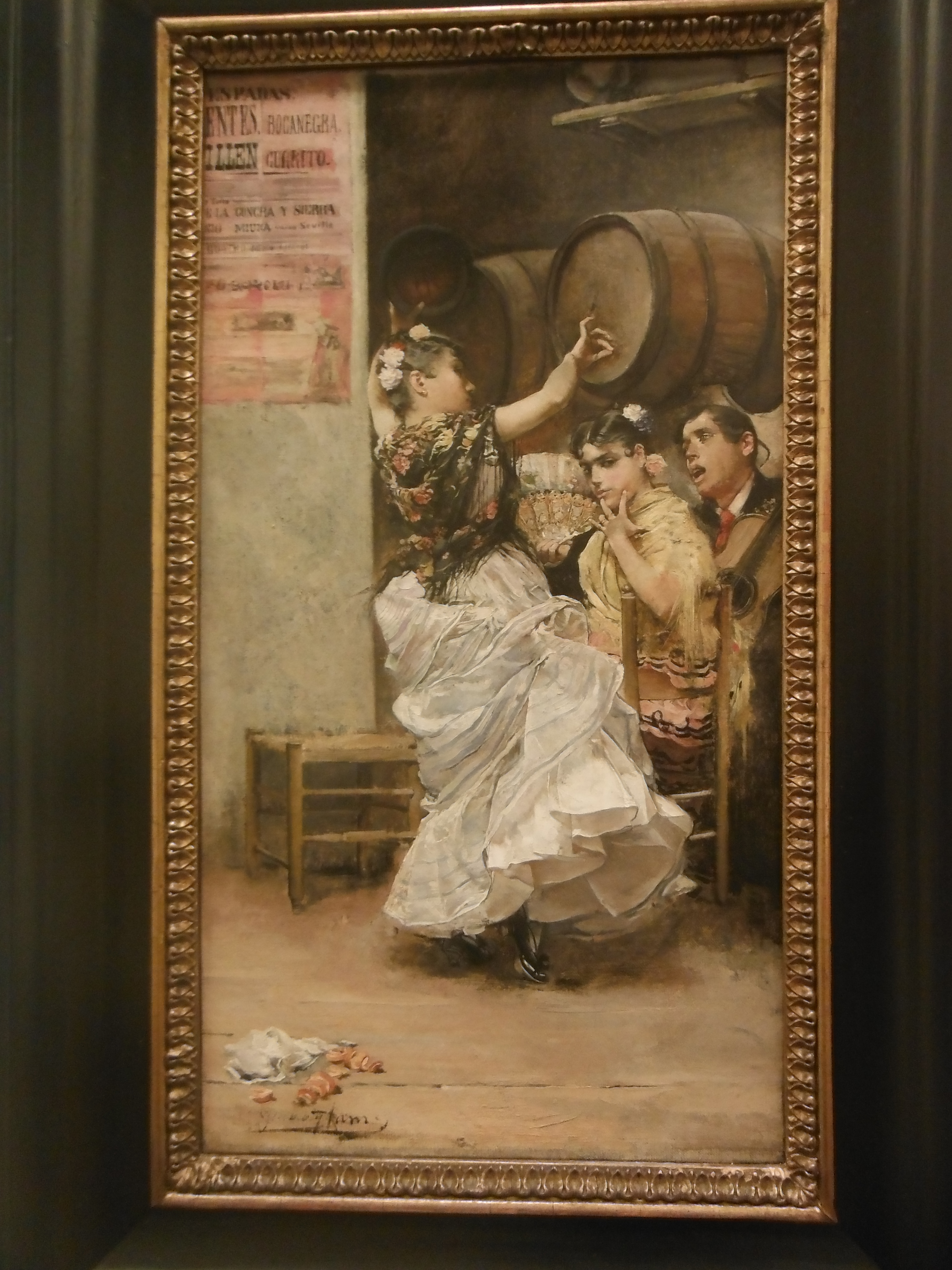 an’s Baile en la taberne (right) and José Garcia Ramos’s Baile por bulerias (left). These both strike me as capturing the spontaneity of flamenco in Sevillian society. All you need is a spanish guitar (and someone to play it) a frilly frock, some shoes and maybe a male partner. And knowledge and passion, for I have no doubt that it is a technical art. Whilst I find flamenco myself to be rather dull to watch, I do not doubt its importance to the culture. Also nothing dies, unlike with the bullfighting.
 ral rather than a factory; it has all humanity in it.
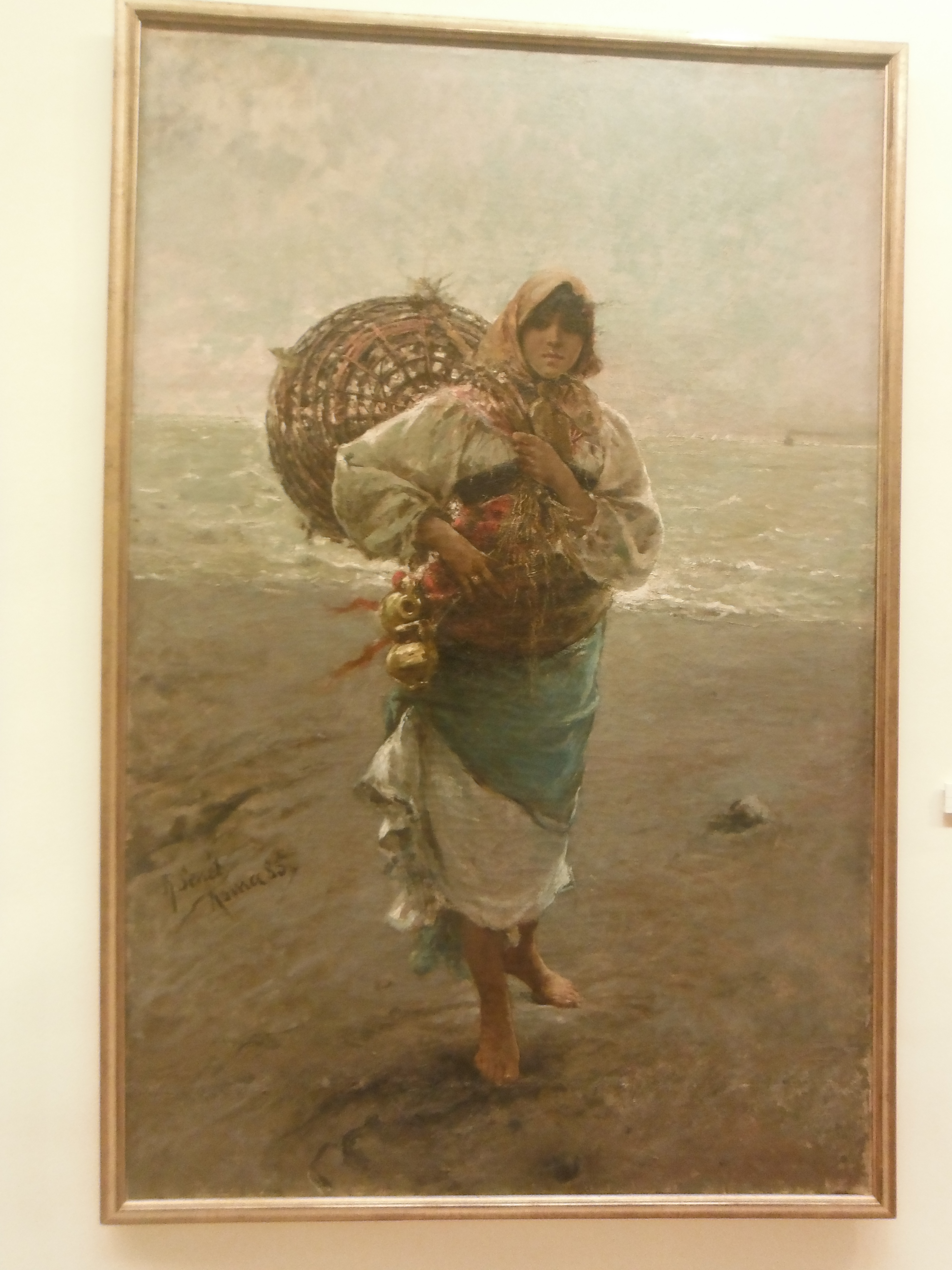 beach with her large basket and exposes her feet as she tries to keep her dress from getting too wet.
 Finally, I share, what is clear from our visit to Seville. The people love to dance and celebrate. Gustavo Bacarisas’s Sevilla en fiestas left (1915) captures this nicely with, what seems to be a night-time scene where the light captures three woman all dressed up with somewhere to go.
If you are in Seville and are looking for somewhere to go, this gallery is a gem.
Seville in December – the city walls and back
Early new year’s day in Seville is tricky for breakfast – don’t try it before noon. Our favourite place, Picatoste, was closed. We ambled along to the Cathedral area and found a hungover cafe bar with torched croissants on offer. Full of charcoal, we ambled further along the river to Puente del Barquita walking  south east towards the district of Macarena. There one finds the remains of the 12th century city wall (left) and gate. Most of the wall was removed in recent times to facilate the expansion of the city. It does, however, face the parliament building, a converted hospital! Nestled in between is the baroque façade of the Basilica de Macarena. It’s not really baroque. It is also closed, like most places, to visit on 1 January.
We then walked south along San Luis, a wonderfully narrow throughfare with a mix of dereliction, exquisite restorations (Santa Marina) and local people. This is not really tourist central. San Marcos has a Mudéjar tower, a reminder that the 14th century church was actually built on the site of a mosque. We managed lunch in a fast-running-out-of-food tapas bar close to Santa Catalina. In the sunshine. Unfortunately, 5 minutes later one is back El Centro. Back to the hotel for a cup of tea.
 Be informed