Climate, social care and strategy
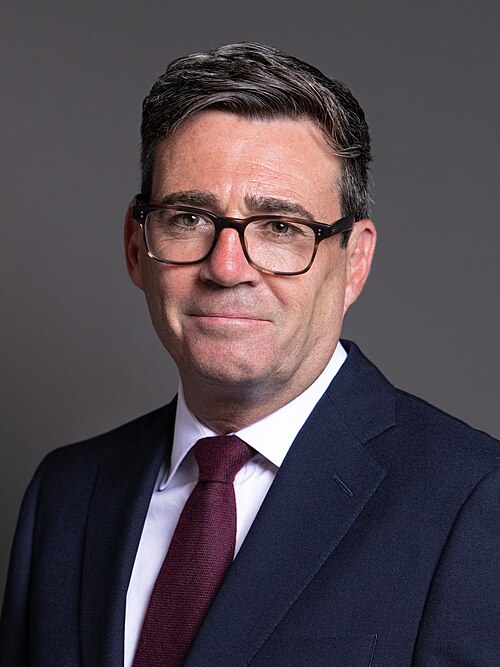
I have just read, as I often do, Ian Dunt’s weekly free Substack, Striking 13. This week’s contribution is called “Jenrick is an idiot sandwich“. Essentially, Dunt unpicks Robert Jenrick’s – as the representative of Reform UK in the absence of Farage – response to Andy Burnham’s approach to social care reform, a policy that is long overdue.
The policy process goes like this:
- Set out the case for reform, particularly drawing on personal experience (Burnham’s father had Alzheimer’s and was looked after in the care system). Make clear that it will involve “hard decisions”, by which is meant, taxation. And also that everyone is impacted; for example, even if we personally do not call on the care system, many will either for themselves or relatives, and this impacts widely on society and hence everyone’s wellbeing.
- Call for a factual debate – appealing directly to the media, particularly the right-wing media, not to poison it.
- Specify the process – bring forward a report on social care by one year, bring together political leaders from across the spectrum to seek out areas of agreement and compromise.
Dunt summarises like this:
You get a pretty decent picture of where we’re going with this. Hold cross-party talks, bring as many parties as you can with you, see what the review publishes, have a big fact-based national debate, then come to a decision and promise to implement after the next election. This would allow any tax rise to be explicitly accepted by voters and outside of the existing manifesto headlock.
Of course, populists such as Reform’s key spokespeople, have no solutions to the big issues of our time. Robert Jenrick was sent out to respond. His approach goes like this:
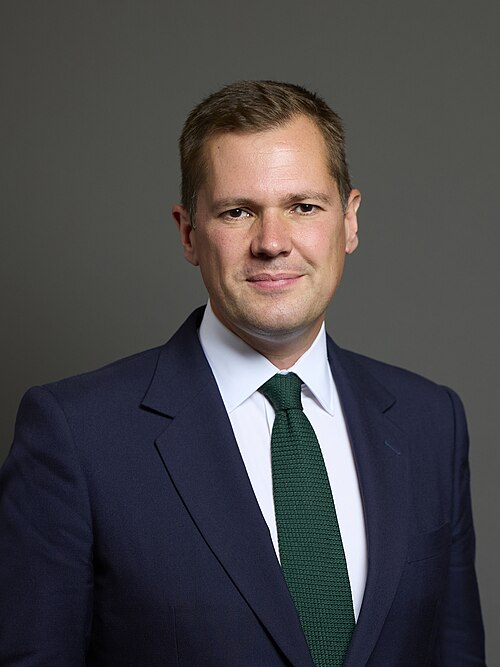
- Get ahead of oneself and invent a policy, say, a 10 per cent estate tax on the death of property owners.
- Criticise the alleged owner of the policy, in this case Burnham, for even proposing it.
- Instil fear in the hearts and minds of the people by suggesting the tax office will knock on your door before the body is cold to assess the value of the estate and make a claim on it.
At this point, I say, good for Burnham. It has been a heady two weeks since he became Prime Minister and he is showing that he is prepared to tackle difficult policy challenges and a collegiate political way (something that we have not seen in decades). Now I am sat here writing this blog entry on 1 August 2026. I cannot now remember when it last rained in any meaningful way (last week we had about 10 minutes of rain as a cold front crossed the country). There are wildfires across Europe including England and Scotland. Indeed, in England a nature reserve in Suffolk is on fire. Burnham’s response is to hint that he will sanction further drilling in the North Sea. He is quoted as saying on 31 July 2026: “The question isn’t whether Britain will still be using oil and gas, the question is where does it come from.” And again “There is a resource there. When people are struggling, we can’t ignore that. Hence, me indicating that to the president [of the USA].”
These are nonsensical things to say. How many times do these people need to be told that what is left in the North Sea will not impact fuel/energy security and prices in the UK? Oil is traded on international markets. Plus, North Sea oil is becoming higher in sulphur content and is not, therefore, “clean” as Kemi Badenoch would have us believe. Indeed this oil is so valuable that BP has put its oil and gas interests in the North Sea up for sale.
Using Dunt’s framework, what does a mature and factual debate about climate change look like?
- Set out the case for reform, particularly drawing on shared experience (wildfires, stressed infrastructure, heat deaths, flooding/insurance costs, migration, increasing food prices, supply chain disruption). Make clear that it will involve “hard decisions”, by which is meant, lifestyle change. And also that everyone is impacted; for example, there is nowhere to hide from the impacts, and even if one is in the later stages of life, your children and your grandchildren, or those of friends and family, will have to live with the consequences of us not confronting the crisis.
- Call for a factual debate – appealing directly to the media, particularly the right-wing media, not to poison it. Build trust in scientists and develop an understanding amongst all about the science of climate change. Explain why the UK’s current level of emissions are not the whole story. The emissions from the start of the industrial revolution that stared in Britain are still in the atmosphere and belong to the nation. Debunk the argument that North Sea oil and gas can reduce domestic fuel bills. Call on the BBC to drop false equivalence and invest in factual programming and drama alerting people to the hazards and their responsibilities as citizens. Regulate properly media with a mission to propagate and diffuse misinformation.
- Challenge the position that net zero will cost the country £4.5 trillion by 2050 (it will if business-as-usual is costless and that gas is free) and discuss the costs of not achieving net zero.
Shall we try it?
Pictures:
Robert Jenrick: ©House of Commons / photography by Roger Harris
Andy Burnham: © House of Commons – https://members.parliament.uk/member/1427/portrait
 Be informed
Leave a comment